In Wilson Commons, on the wall underneath what used to be the Flag Lounge, there are a series of plaques honoring members of the UR community who lost their lives serving in every major war since the school’s founding.

Well. “Honoring” might be a strong word.
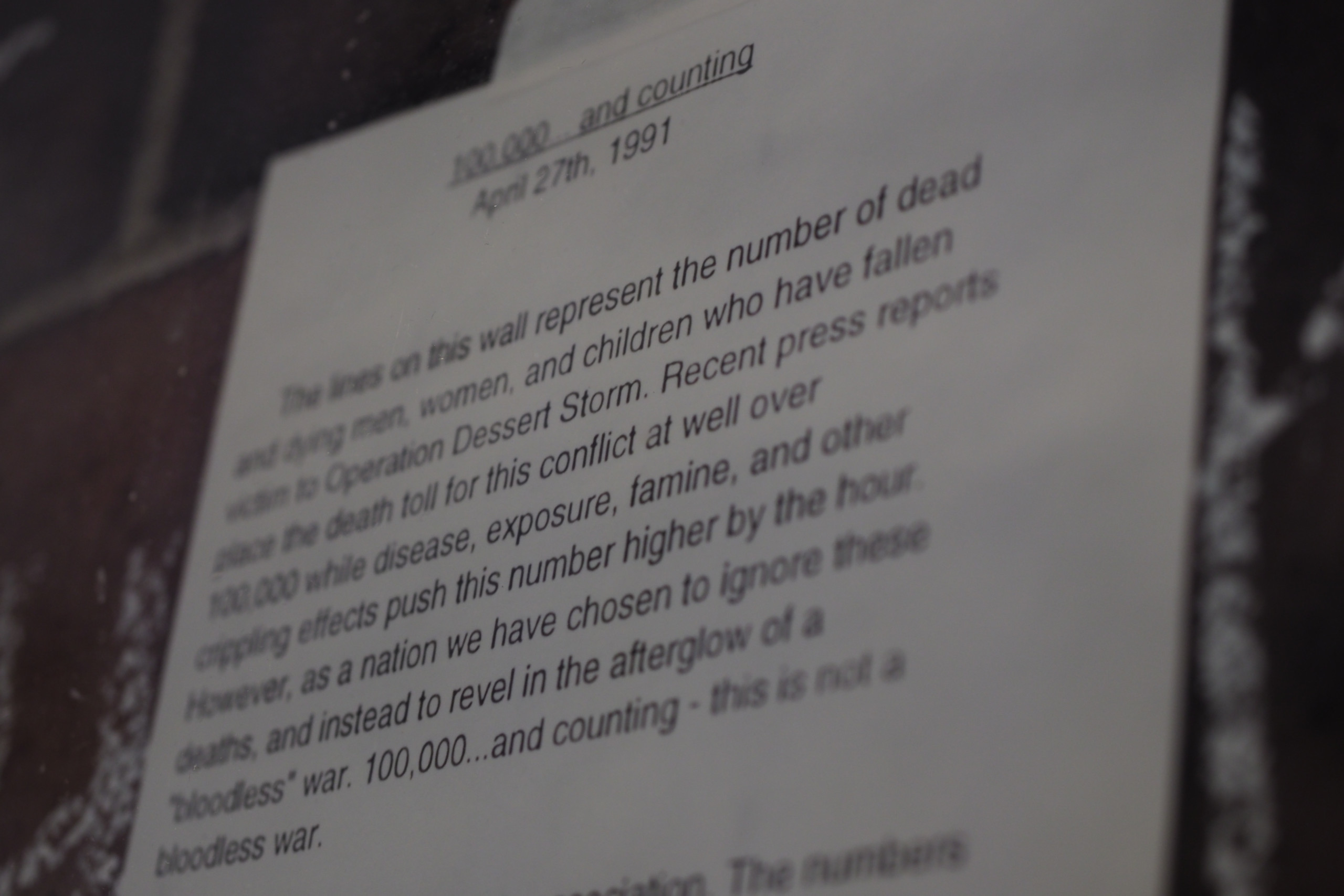
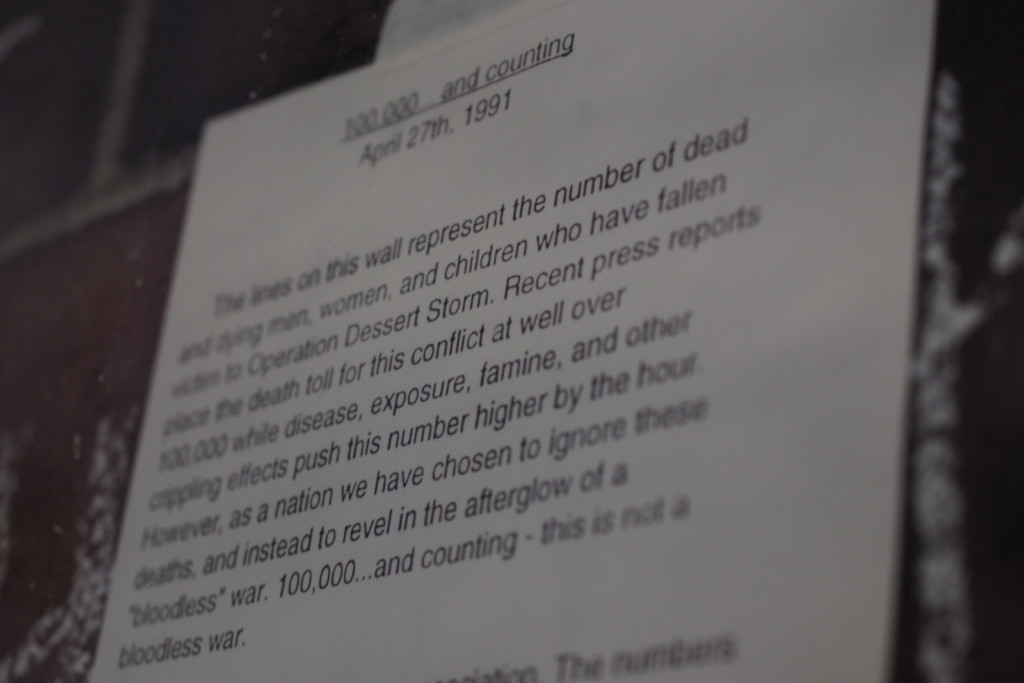
To get the easy, nitpicky complaints out of the way, the memorial to those who lost their lives in Operation Desert Storm is actually a memorial to those who died in Operation “Dessert” Storm. I could make jokes about this, but I don’t think that would be appropriate given the subject matter. Just like I don’t think it’s appropriate to leave a typo on such a memorial for an extended period of time. But that’s easily fixed, and likely an honest mistake, though one might think the University might try a little harder to avoid such mistakes in the context of honoring war dead.
I’m more troubled by the University’s commemoration of those who lost their lives in the First World War. The plaque was funded by the mother of one out of hundreds of these students, and features 11 of their names. Under the list of names are the words of the Roman poet Horace: “Dulce et decorum est pro patria mori.” In English: “It is a sweet and fitting thing to die for one’s country.”
I noticed this because I take Latin, and on the rare occasion that I encounter the language in my daily life, I try to translate it as practice. I mentioned the plaque to my Latin professor, who was surprised to find out that the phrase was chosen for this purpose.
He explained that it’s quite a famous line, and one that was used in wartime propaganda the world over to boost recruitment. It’s also the title that British WWI soldier and poet Wilfred Owen chose for his work. The anti-war poem “Dulce et Decorum Est” is beautiful and haunting. It describes the terror and pain of fighting in that bitter war — and ends by declaring Horace’s words a lie.
The work is a well-known direct criticism of those who blindly glorify war. The First World War was bloody and brutal, and by many — if not most accounts — unnecessary. Owen’s point was that it was a mockery of soldiers like him to glorify what he considered an unmitigated tragedy.
I’ve never fought in a war, and I doubt I ever will. I don’t have the authority to say whether this is a fitting memorial for those that our community has lost to violence. But I don’t imagine Wilfred Owen would think it is.
If we’re callous, careless, or ignorant in our memorialization of those who gave their lives for this country, can we really say that we’ve honored them?
Operation Dessert Storm. Sweet and fitting, isn’t it?