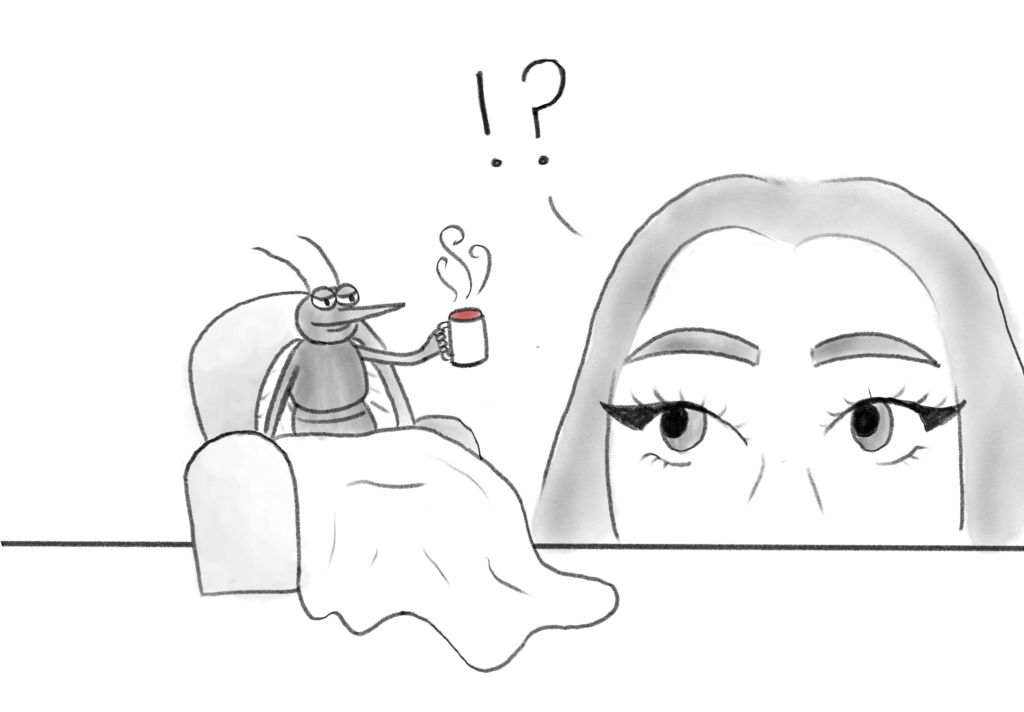
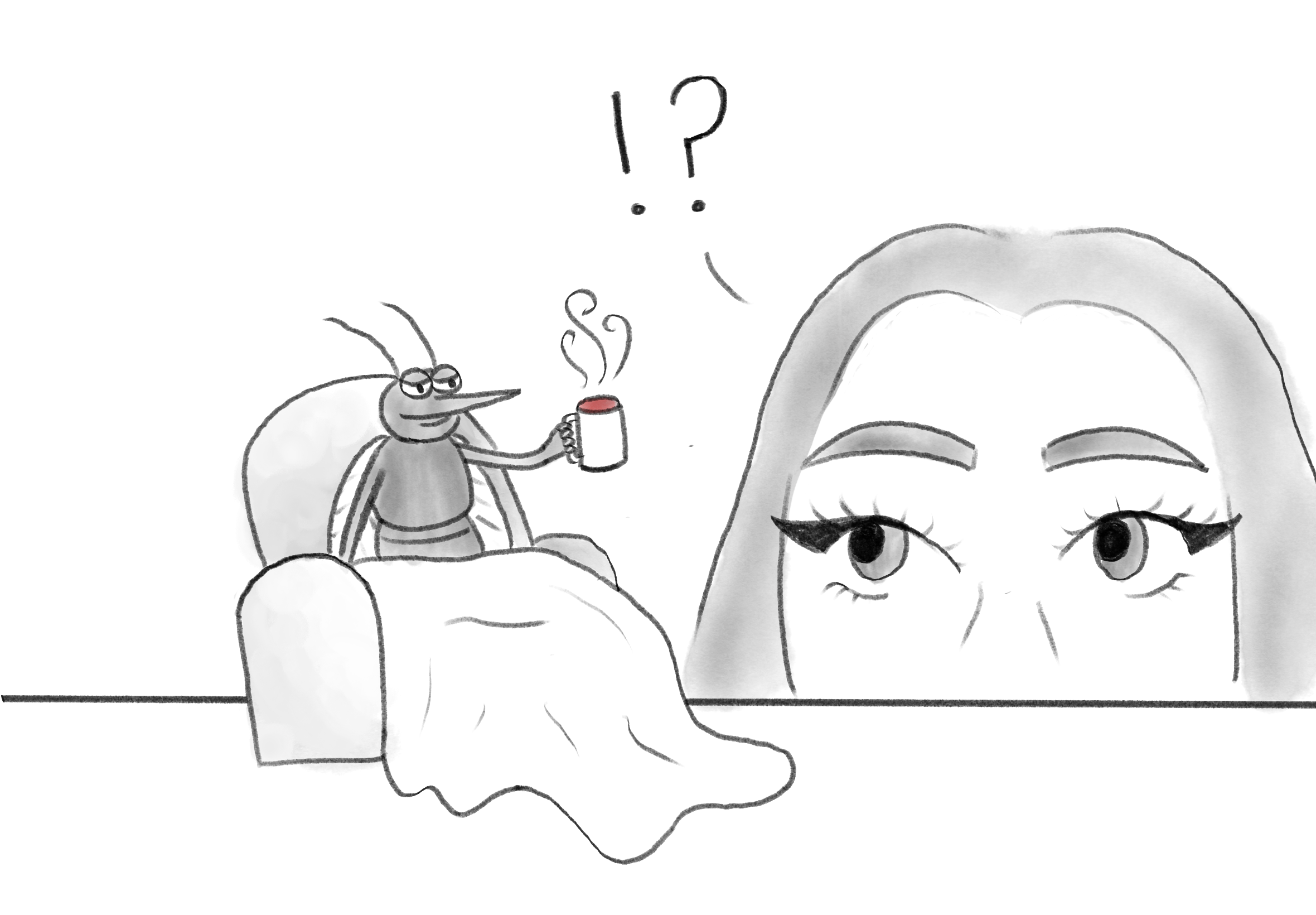
The first mosquito explorer has officially discovered a new island habitable to all mosquitolings. This day marks a big occasion for all mosquito-kind, as this island means paradise. With the recent changes in the environmental and political climate, many mosquitoes have had enough and decided to find a place more livable. 

After three long months and braving five hurricanes, they have finally found it. This new island allowed the mosquitoes a break from the rising heat and hostility in both their environmental and political climates. They enjoyed cooler temperatures year-round and plenty of fresh food — including limited-edition blood flavors previously never tasted. 

One traveling mosquito exclaimed, “EEEEEEeeeeeeeEEE,” clearly excited for this new change in life. 

However, not everyone is too fond of such a discovery. “I was just trying to breathe in the fresh, crisp, wintery air when I inhaled an entire family of five mosquitoes,” Cat Crawford said. 

At press time, masses of mosquitoes were spotted flying out to the island for a chance at a better life.

The great mosquito migration

My feed filled instantly with influencers explaining the mission. Some of them had millions of followers. Their videos were polished, confident, and loaded with terms like "trans-lunar injection" and “free-return trajectory.” They spoke with the authority of people who had studied astrophysics and literal rocket science their entire lives. Read More

The great mosquito migration

I’ve found I have a very unique perspective on this issue because I attended a Montessori high school that taught the International Baccalaureate (IB) curriculum. I value both projects and exams at about the same level.  Read More

The great mosquito migration

As recently as the early 2010s, it was standard practice for surgeons to provide 30 to 40 or more opioid pills for common, minimally invasive procedures. Most of these pills, however, would remain untouched, left over in the patient’s medical cabinet or kitchen pantries for potential misuse. A team of researchers led by URMC’s Dr. Jacob Moalem set out to reduce these opioid overprescriptions. Read More