Taking a class during winter break is unappealing in normal times, and sits as an afterthought to most students. This past winter was even less appealing, carrying a paltry course selection, extremely condensed schedule, and gigantic price tag. Why would anyone be interested in such niche course offerings with a price nearing $1,000 per credit?
Instructional formats and University infrastructure have undergone several reforms in order to adapt to the COVID-19 pandemic, so it seems fitting that accommodations be made to winter session too. But I haven’t seen any.
Despite the fact that winter session courses are mostly being administered virtually, the price remains $970 per credit hour. Especially considering that other prestigious institutions such as Notre Dame have made winter courses, internships, and other programs free to undergraduates, it’s pretty unfair that UR has kept their prices constant when all they have to show for it are remote crash course versions of the same courses offered during spring and fall semesters.
If this past winter session had continued in person, it would make complete sense for prices to remain high. But that’s obviously not what happened.
Why not offer on-campus classes for additional fees, which would balance out a decrease in cost for those pursuing remote instruction? Not only is allowing these flexible choices during winter session reasonable, but it can keep class densities to a minimum.
Instead, UR has chosen to allow expensive tuition to be a barrier, making winter session practically irrelevant for students on any sort of financial aid.
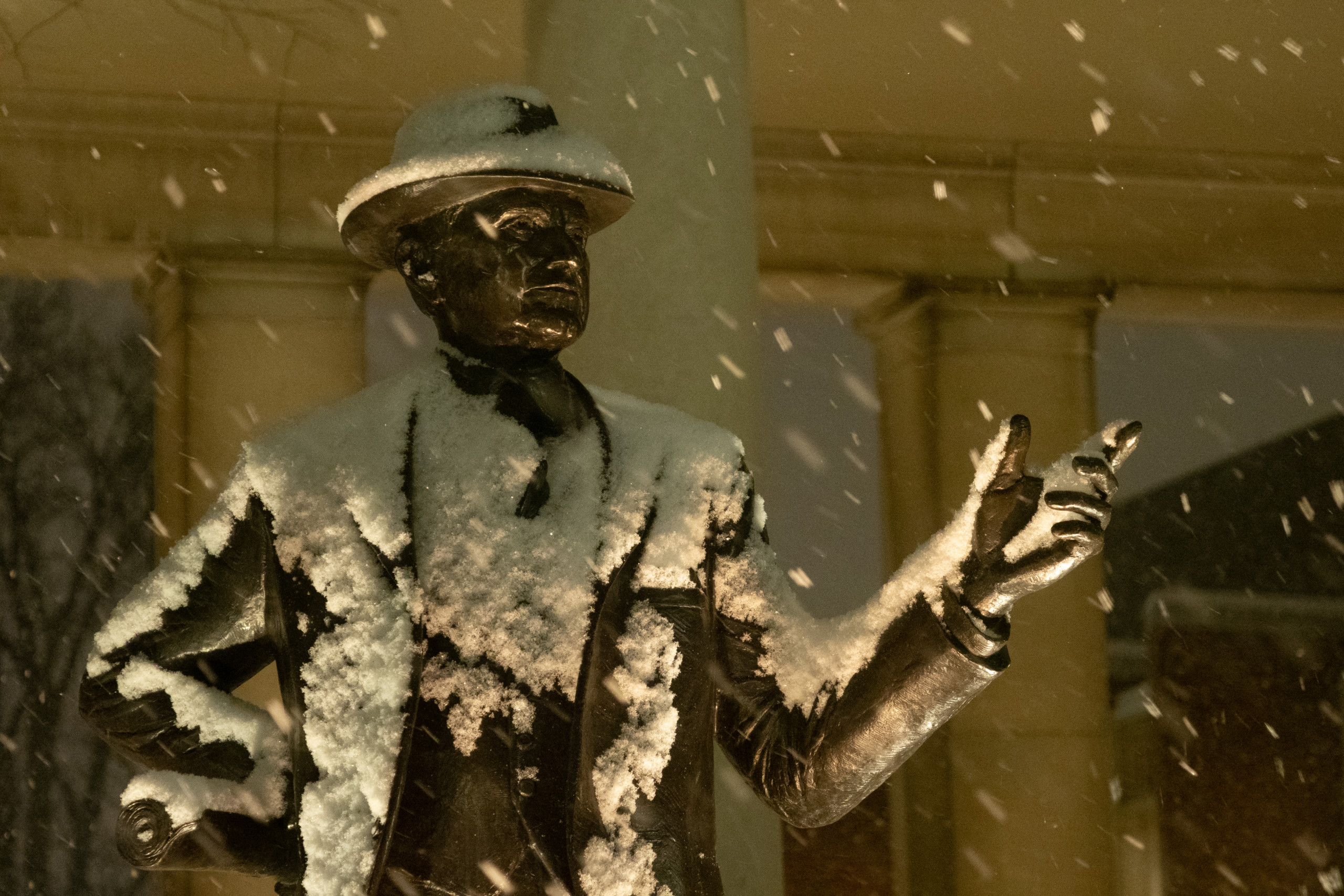
Snowy George Eastman watches over Eastman Quad as a snowstorm hits Rochester on January 29th.
The pandemic is amplifying the lack of opportunities for students over winter break. A cheaper or even free winter session in the future would show appreciation for the students who have adjusted to this pandemic so well, and who kept campus COVID-19 cases down even as surrounding colleges faced outbreaks and sent students home.
Some universities bind instructors to teaching loads — a certain number of courses they must teach — which usually exclude summer and winter courses. It appears that, at UR, teaching loads are set by department chairs and then approved by the dean. Given this arrangement, perhaps deans and department heads should cooperate to reallocate how UR invests in classes offered on a yearly basis, rather than paying additional salaries for winter activity.
Maybe the University could provide some kind of incentive for professors to teach additional free or reduced-price winter courses. And even if UR doesn’t make these drastic changes, simply providing audit options and certificate courses that teach students unique skills or knowledge could turn the University’s many “Thank you!” emails into tangible rewards for its student body.
These past few semesters have challenged UR students and faculty to devise creative solutions for a successful and fruitful return to campus. It’s disappointing to see our University abandon this creativity when it comes to winter session.