Okay, so last week might have been rough. With a few tests all crammed into one week, you’ve been scrambling to drag yourself from one day to the next. But all that work and absolute neglect of your personal time and needs will be worth it in the end when you get back all your hard-earned As and —
Never mind. All the grades were just posted to Blackboard and there is not a single A in sight. There’s a sudden sense of loss that hits you in a way not unlike being slapped in the face with a fish. It leaves you confused, hurt, and reeling from the impact. After all, what happened to all your efforts, the sheer struggle it took to gather the motivation to study, the sleepless nights worrying about the exams?
And yet, you’ll find yourself back on the same hamster wheel, time and time again.
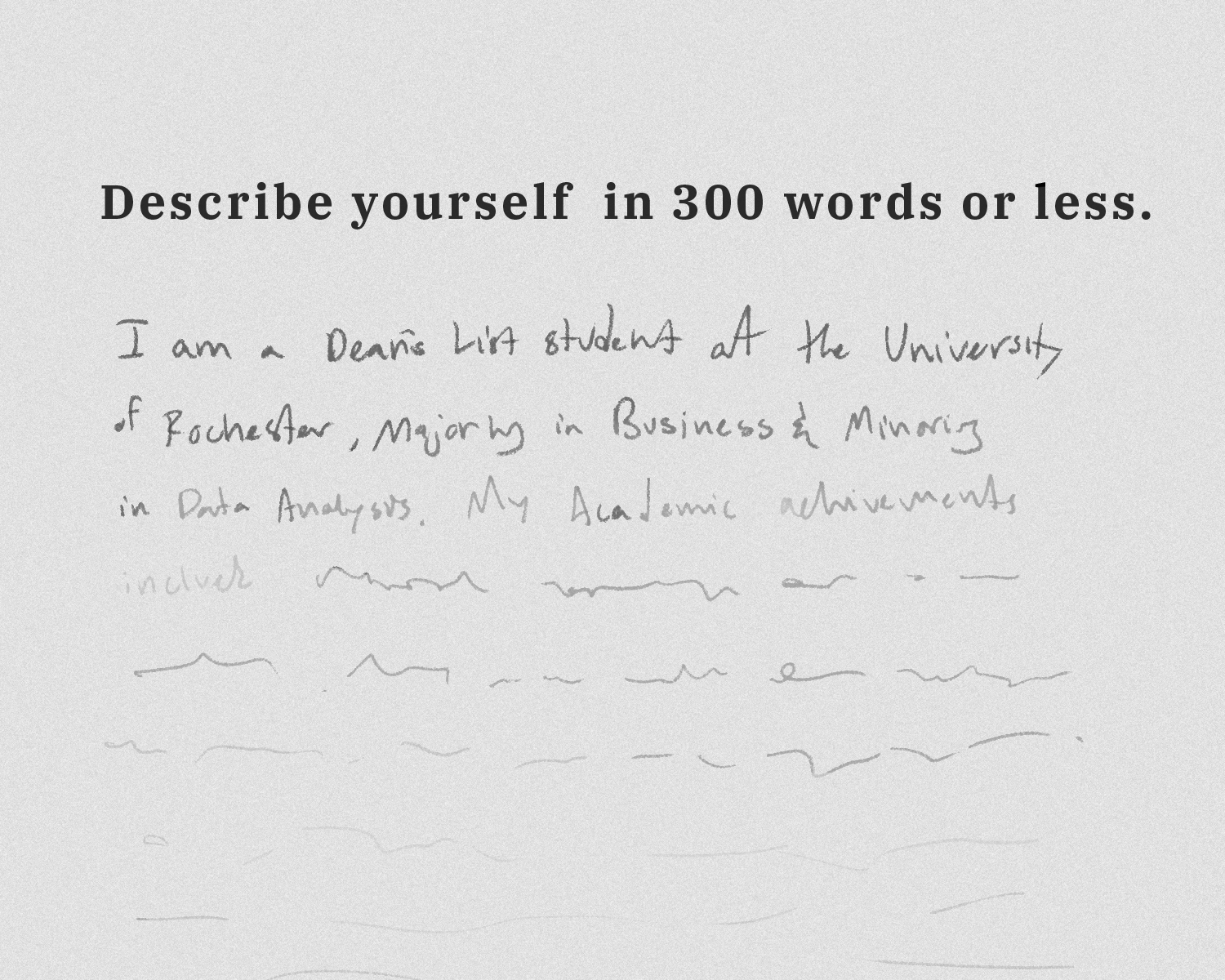
The dependency on academic validation is a widespread issue amidst college students, especially here, and this can be observed both on social media and day-to-day conversations. Equating one’s worth as an individual to one’s grades is a dangerous rabbit hole to fall down, but nonetheless a pattern that’s easily enforced. As a college student, it’s natural to feel like the only thing that matters is how well you do in your classes. When that expectation is not met, especially by high-achievers, it can feel like you’ve failed at accomplishing something that is a core part of your identity.
It’s also easy to fall into the habit of neglecting everything else in lieu of exams. Taking breaks, cleaning your living space, getting enough sleep and exercise — everything gets kicked to the curb because it’s just not as important. That prevents us from having any sort of escape from the pressure we are putting on ourselves, and if everything falls apart academically, there’s nothing to reliably fall back on.
Learning to forgive yourself for not always meeting your own and others’ expectations is a long and difficult process, and it’s too big of a goal to be a first step. Instead, in order to flee the clutches of academic validation, I think the best way to get started is to discover what you like to do outside of school. It doesn’t have to be anything special — the only requirements are for it to be an activity that has nothing to do with school, and an activity that you truly enjoy.
Once you’ve established the things that make you happy, carve out time to do them. Trust me, taking half an hour out of your day and dedicating it to watching something, going to the gym, or having a meal with a friend is not going to destroy your studying schedule, nor is it an example of your shirking on your academic responsibilities.
At the end of the day, you have to come to the realization that having your schedule revolve around school (to a point of extremity) is counterproductive and actually takes you further away from your goals. If you want to succeed in one area in your life, you need to balance it out with all the areas of your life that are important to you.
After all, you owe it to yourself to know how to celebrate your successes and acknowledge your failures, and eventually, learn from any mistakes you might have made. The culture of throwing oneself into the hellfire that is academic validation might be continuously perpetuated online and by the people around you, but there’s something a lot more respectable about prioritizing yourself rather than succumbing to the actions of the misguided masses.