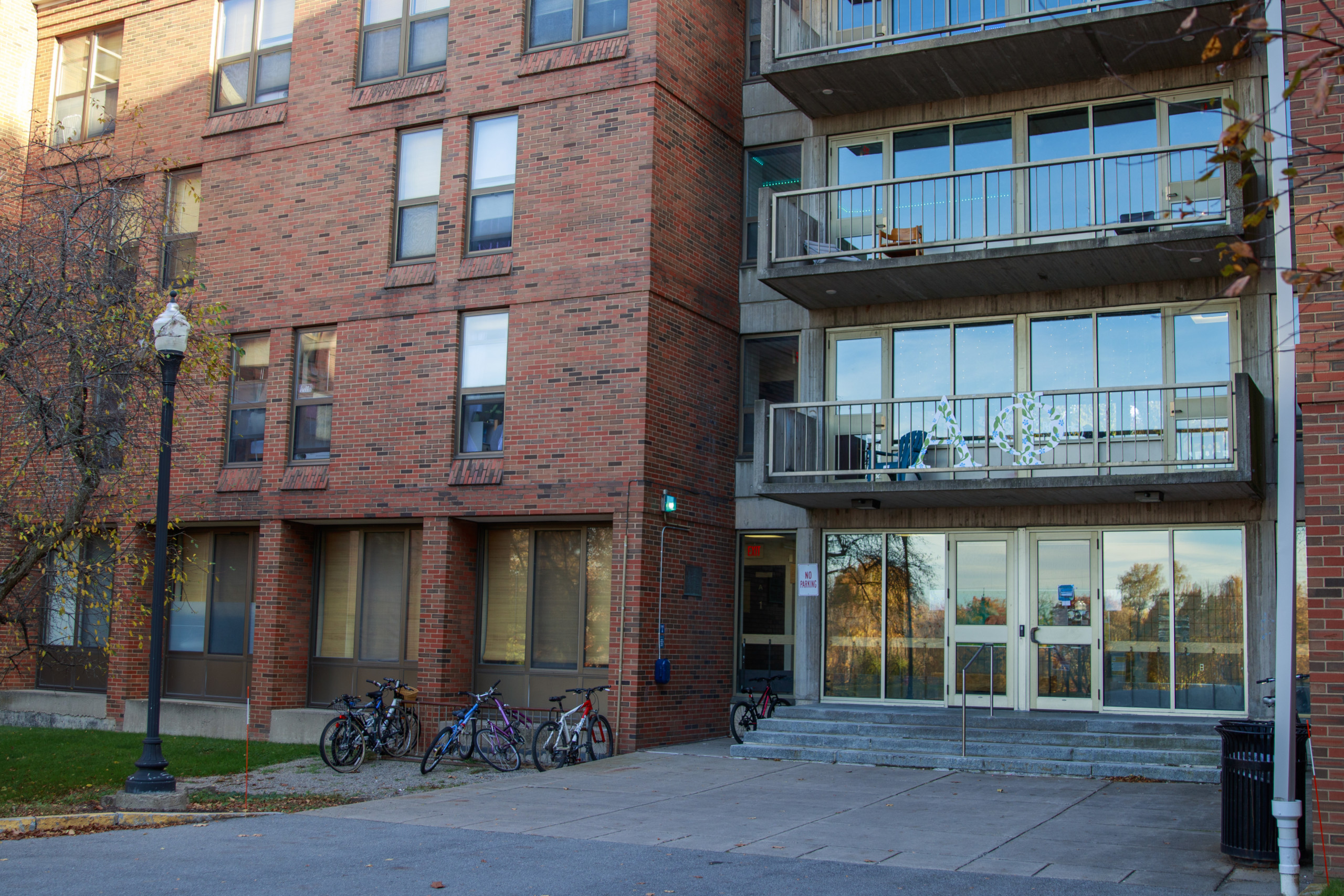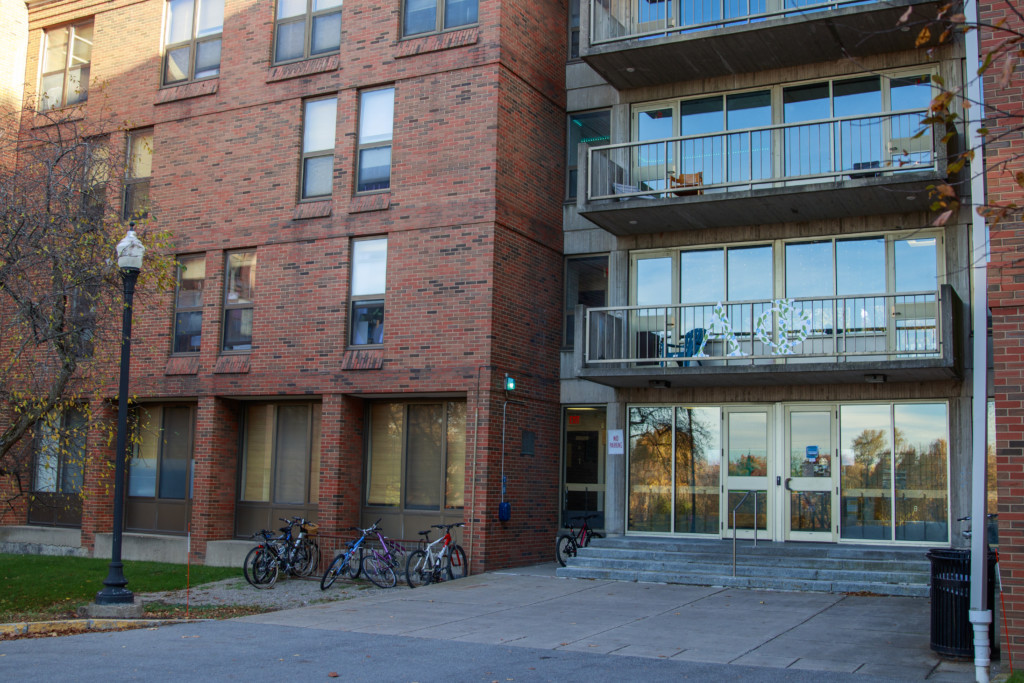
If there’s one thing about UR’s Greek life that should be discussed more, it’s the issue surrounding housing for sororities.
When I recently went through fall recruitment to join a sorority, I was so excited. Like most people, I watched countless videos and listened to experiences from girls rushing at universities where Greek life has a huge presence, like the University of Alabama. I saw the gorgeous mansions the girls lived in and instantly imagined myself in their shoes.
I remember going on a coffee date with a sorority member and asking her eagerly about living in the house. Her response? I was met with a stare and then the reply, “You mean the floor?” I was really confused and asked her what she meant. That was when I found out that sororities at UR don’t get houses — only the fraternities do.
The fact that this issue hasn’t been resolved yet baffles me. And coincidentally enough, the topic came up in my Psychology of Gender class. According to a couple of sorority members in the class, there’s hesitation about giving some sororities houses since then “all sororities will want one.” That seems to make sense, right?
But the part I don’t get is that currently, not all fraternities offer on-campus housing, so it wouldn’t be out of the ordinary for not all sororities to have on-campus houses as well. Why can’t some sororities get houses while other sororities live on floors, just like fraternities?
If it’s a matter of selecting which sororities get the houses, the solution is simple — the sororities with the most members should have the first priority. That way, more members can receive guaranteed housing, since they are paying a lot to be in Greek life. If a sorority is much smaller on the other hand, it would make sense that they would live on a floor since they wouldn’t fill a house.
The fact that for sororities the default is living on a floor instead of a house isn’t fair. It isn’t as complicated of a matter as some make it out to be. In fact, the University doesn’t even need to build new houses for sororities —they could simply redistribute some of the fraternity houses to sororities. After all, fraternities have had the luxury of their own space for a long time already.
If the Greek life housing issue continues as it is, the question of misogyny is raised. It does seem very weird and sexist that the women are forced to live in dorm buildings rather than nice houses. If the University truly cares about equality, then sororities should get their share of houses, too. It’s time for the sororities to get the housing they deserve!