Features
birders log
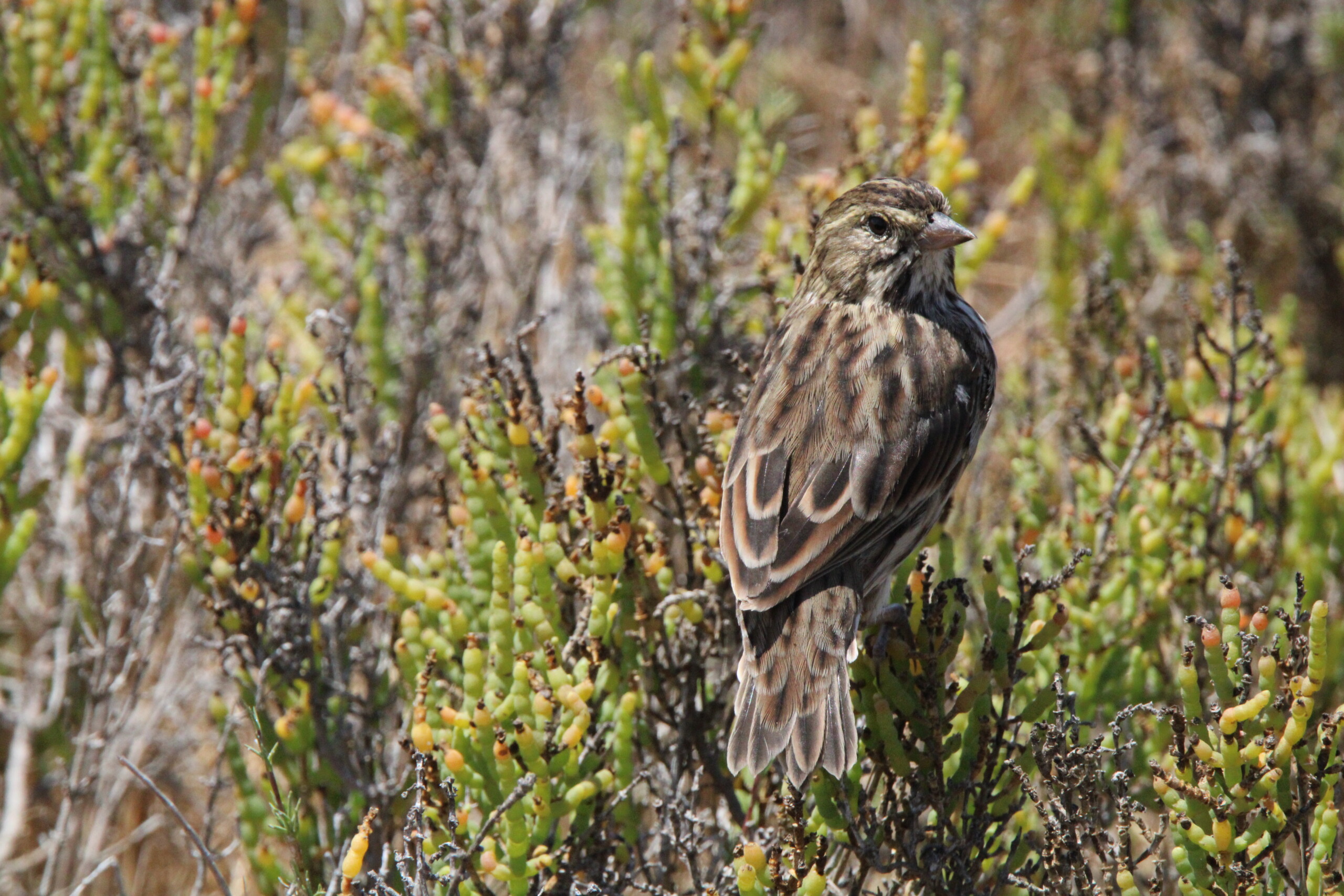
Birder’s Log: California birding in Orange County
California has been an enchanting and unforgettable place to bird and encounter multiple different species in a wide variety of habitats. For me, Southern California has been a longtime favorite place in the U.S. to visit, and seeing this area’s wide variety of bird species and its diverse natural habitats has been a real treat. Read More
awards
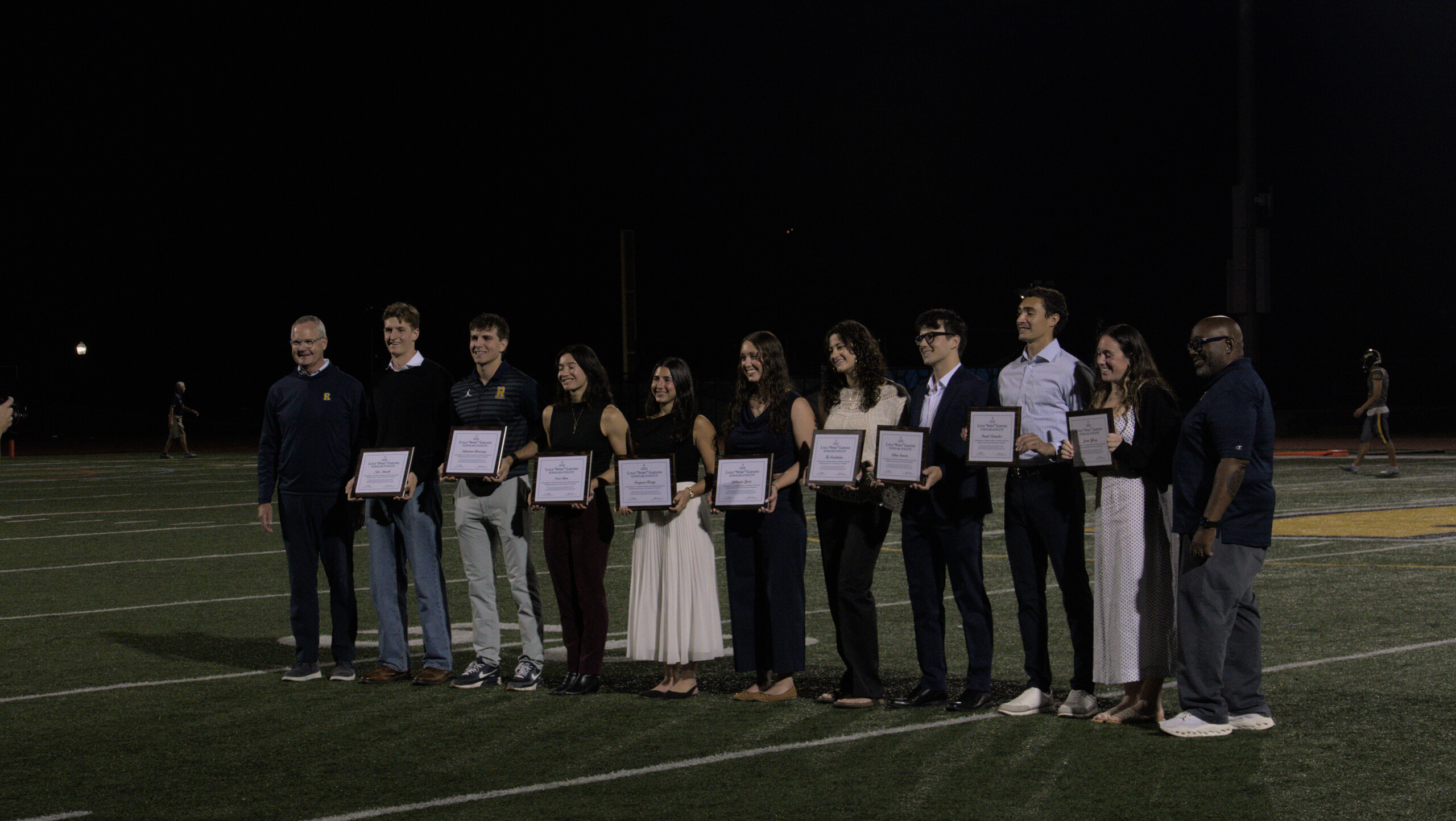
Balancing act: Garnish Scholars reflect on academics, athletics, and legacy
The Garnish Award honors the first three years of achievement, recognizing the dedication, relationships, and personal growth behind these milestones, and the constant balance between academic and athletic commitments. Read More
rochester area
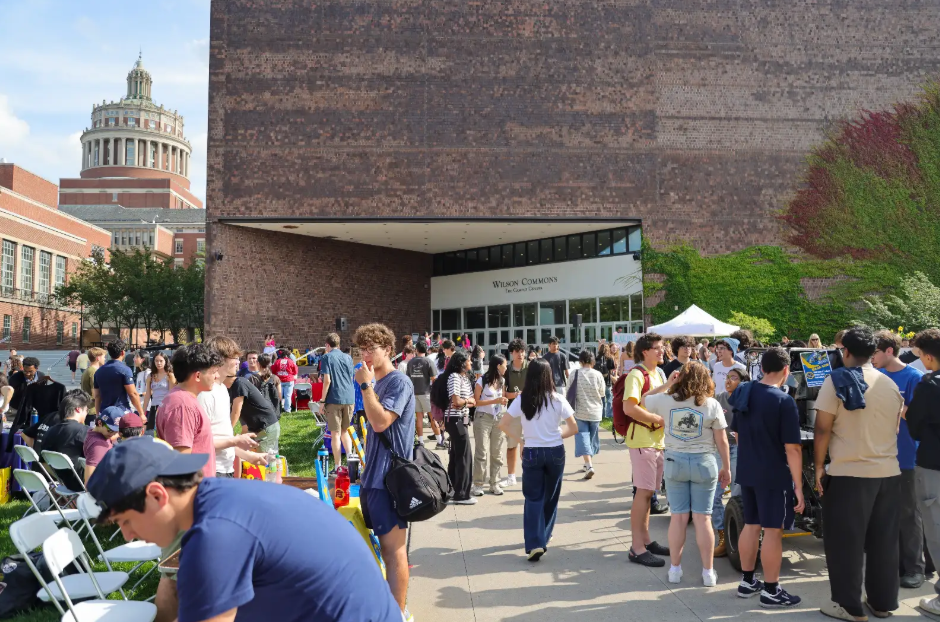
Studying, Stress, and Taking Time to Step Away: A Guide to Surviving a New Semester
The beginning of a fall semester — whether you are a wide-eyed first-year or a senior that cannot wait to leave — is an exciting yet stressful checkpoint for all college students. Adjusting to a new living area, rigorous courses and demanding extracurriculars while balancing a healthy lifestyle is one of the biggest challenges students face. Read More
student life
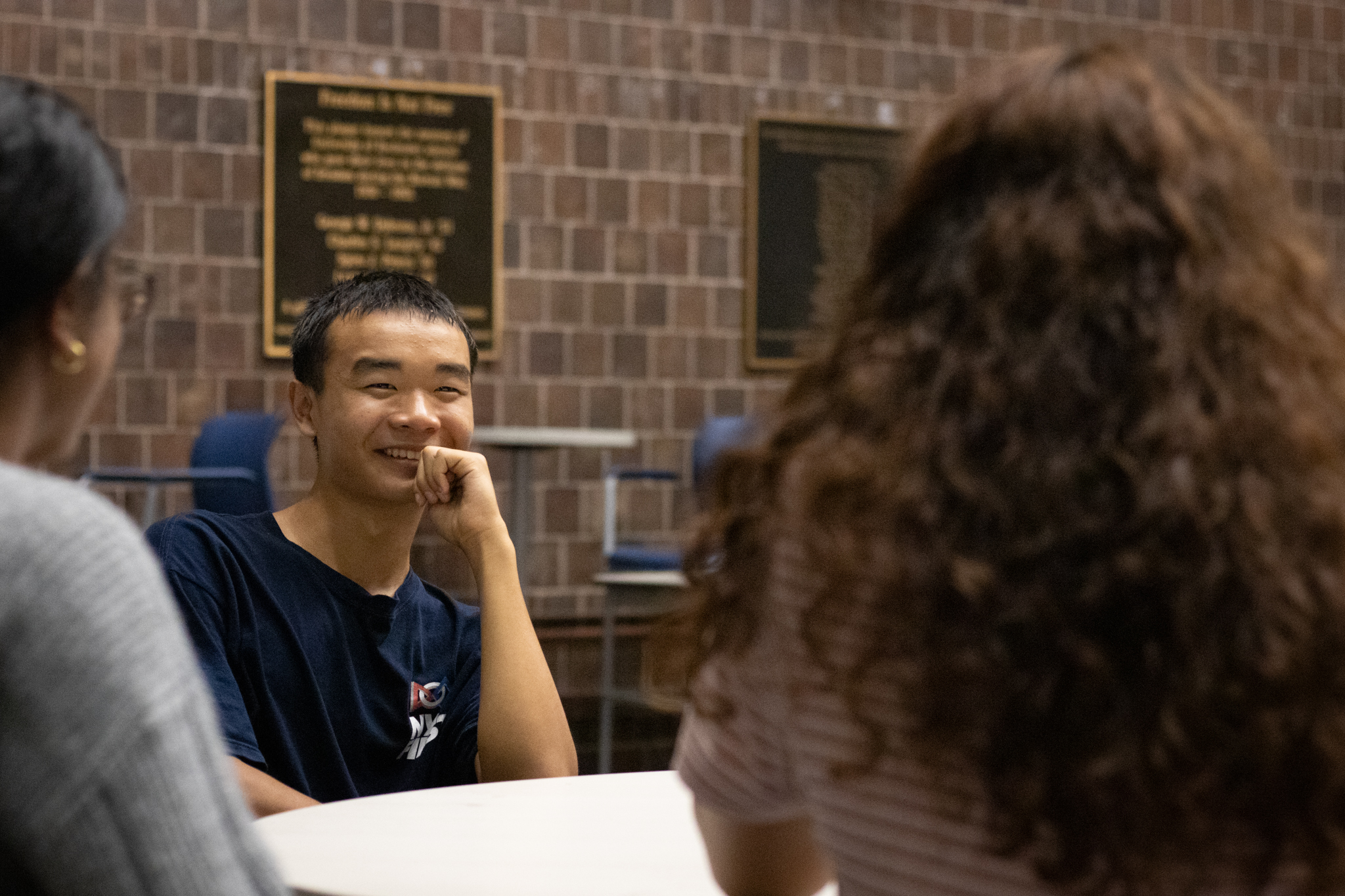
First Impressions: Class of 2030
With a class size of about 1,400 students representing 45 different US states and 27 countries worldwide, URochester’s Class of 2030 has officially arrived and is settling in. Read More
birders log
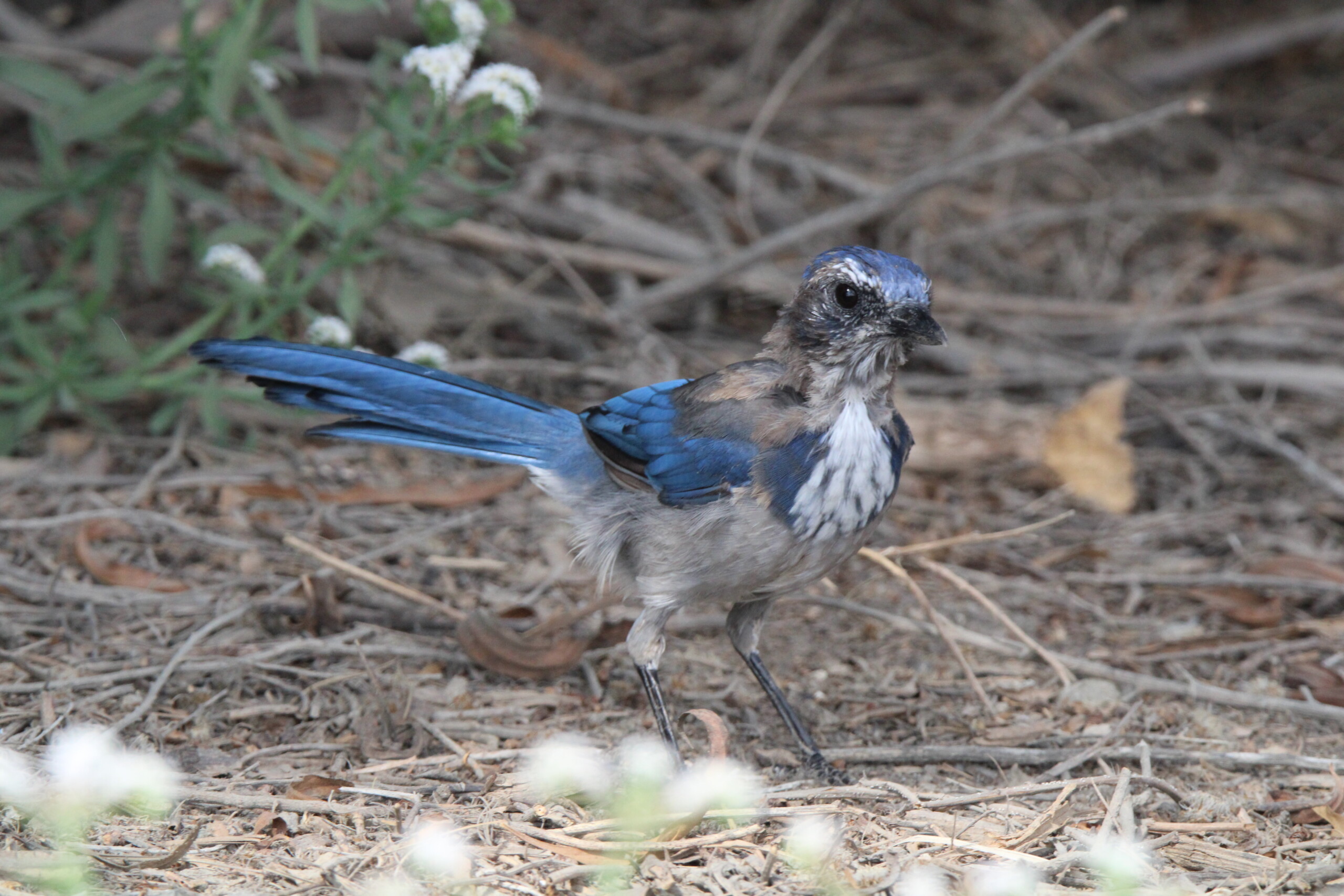
Birder’s Log: California Birding in LA County
The fall semester at URochester has arrived, and I’m more than ready to get back into writing about all my birding adventures. With over three months of time off from school, summer has always been my favorite season to travel. Read More
cultural identity
SADACA hosts annual Dinner for Peace
President and senior Mennatallah “Mennah” Mohamed shared that this dinner was a “time to highlight how Arab culture is so interconnected.” Read More
Commencement
Graduated early, but not gone yet: what life looks like for Rochester’s early graduates
For graduated senior Helen Jackson, who hadn’t been able to go home for breaks for the past two years, these last few months have been a much-needed break. “I’m moving halfway across the country in July for my PhD program, so I probably won’t be able to come home very often after this,” she said. Read More
Commencement
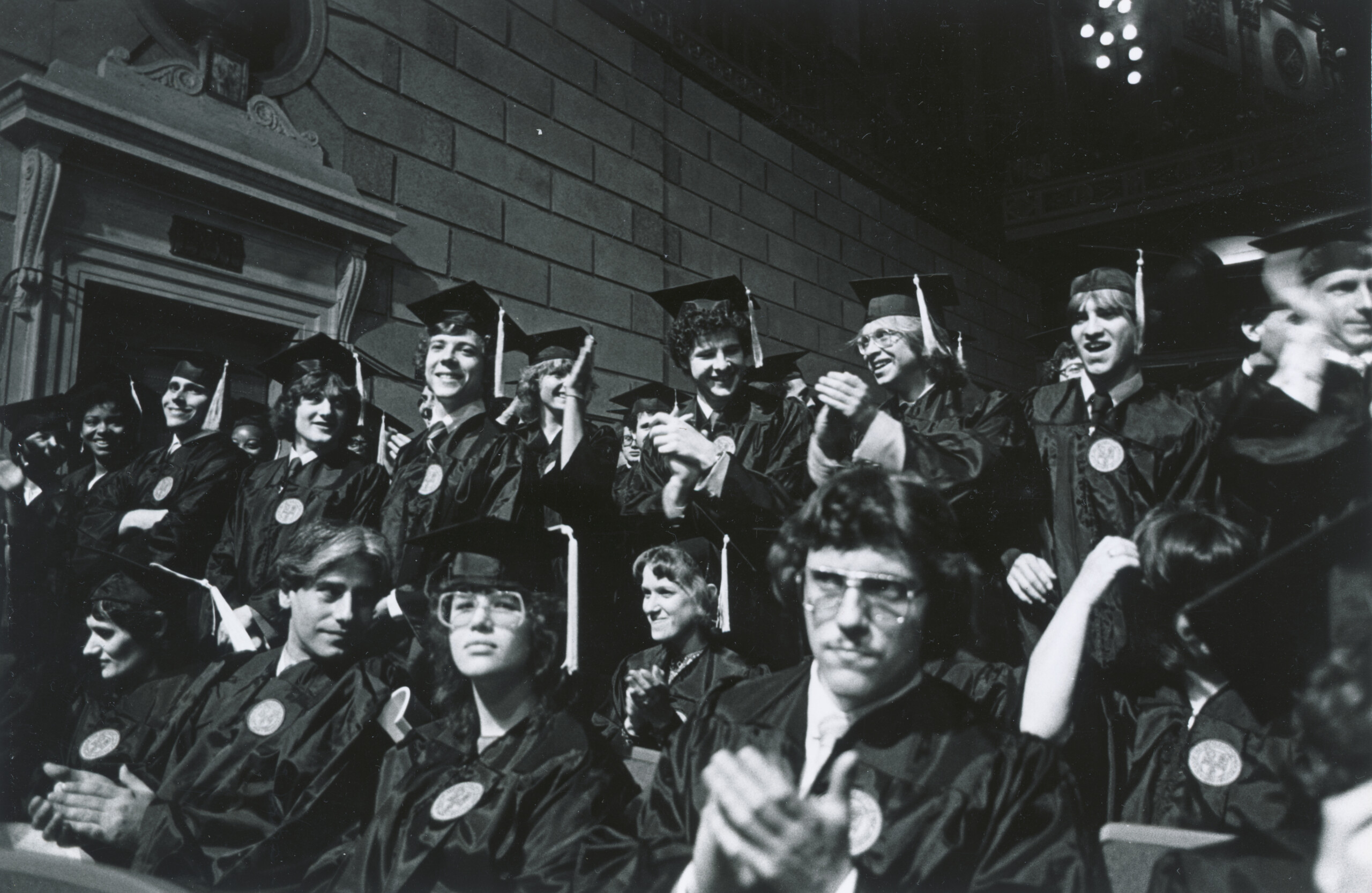
Becoming Senior Week: a century of graduation traditions at URochester
URochester’s annual Senior Week always features a full lineup of celebrations for the graduates leading up to Commencement. The contemporary week-long fun is deeply embedded in the history of URochester culture, even though Senior Week and Commencement traditions have changed dramatically over time. Read More
birders log
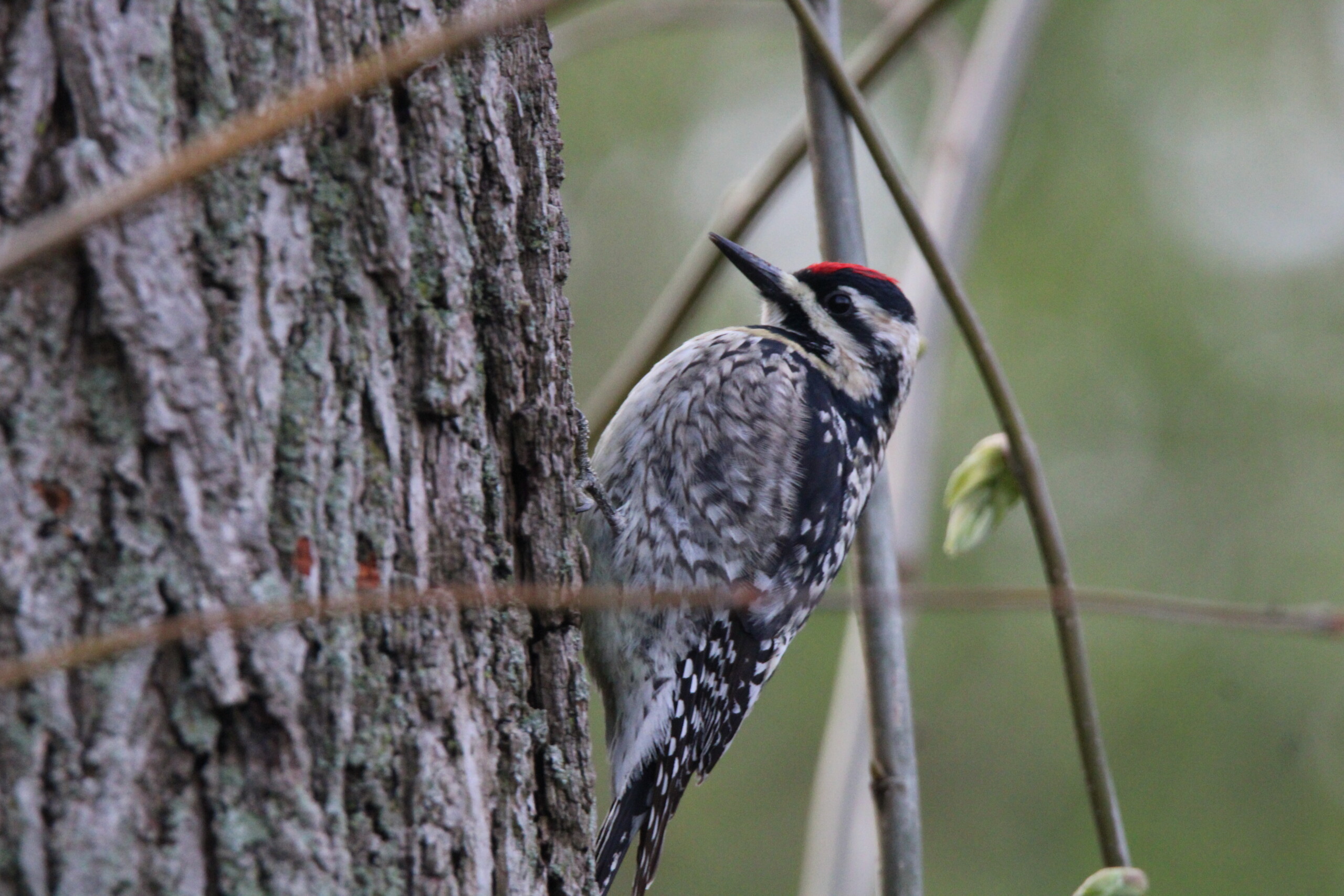
Birder’s Log: Springing into migration season
After walking around campus, as well as other areas such as parks in Northwestern New York, spotting birds has become more commonplace. The resident bird species are singing, foraging, and preparing to nest while many migratory birds are starting to arrive. Read More
medication
Reducing Opioid Prescriptions in Rochester
As recently as the early 2010s, it was standard practice for surgeons to provide 30 to 40 or more opioid pills for common, minimally invasive procedures. Most of these pills, however, would remain untouched, left over in the patient’s medical cabinet or kitchen pantries for potential misuse. A team of researchers led by URMC’s Dr. Jacob Moalem set out to reduce these opioid overprescriptions. Read More