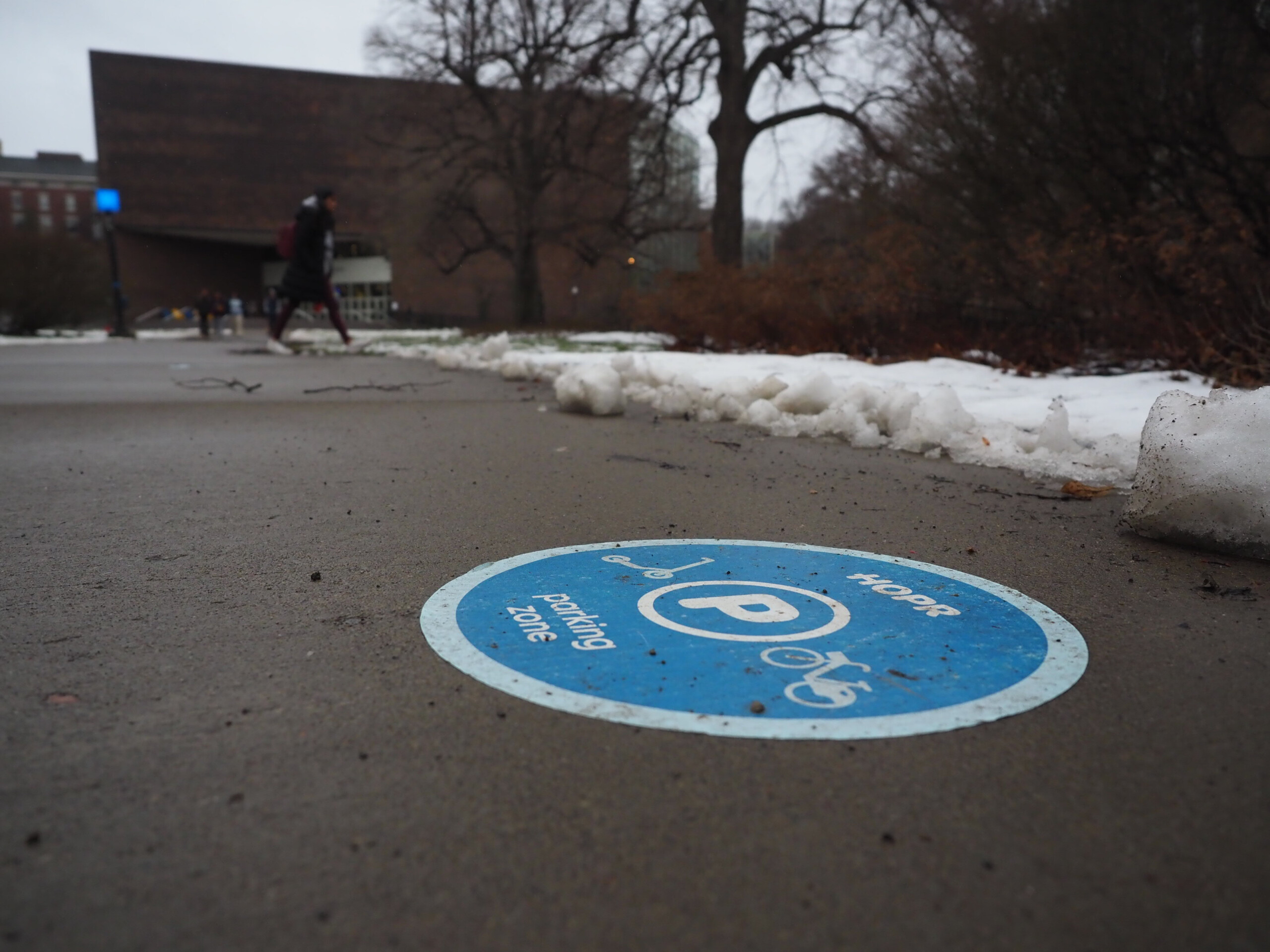
The City of Rochester has ended its partnership with HOPR, a nationwide provider offering pedal bikes, electric bikes, and electric scooters in their share program.
HOPR offered bikes and scooter rental share hubs throughout Rochester and surrounding cities during the majority of the year. There were two bike stations present on River Campus and three on the Medical Center Campus. This was meant to encourage students and faculty to utilize the program. Users could rent a bike or scooter through the HOPR Transit app, paying per minute or for a full day. The bikes or scooters could be returned to any hub in the city.
Running from June 2021 up until the beginning of this year, the original contract was part of the Equity and Recovery Agenda, a citywide post pandemic economic recovery plan, and had funding by a grant from the Congestion Mitigation and Air Quality (CMAQ). This plan was originally part of a larger project to increase access to a more affordable and healthier form of transportation, reduce car usage, and drive economic growth in the city.
The city has decided to not renew their contract with HOPR for the upcoming year. First-year SA Senator, Elijah Bader-Gregory cites the reason for the shutdown as “having the tech but not enough usage.”
The city still plans on enacting a similar contract and have issued a request for proposal (RFP) to attract another bike share vendor.
At the moment, there will be no active bike or scooter sharing vendor in the City of Rochester at the start of the upcoming bike season.