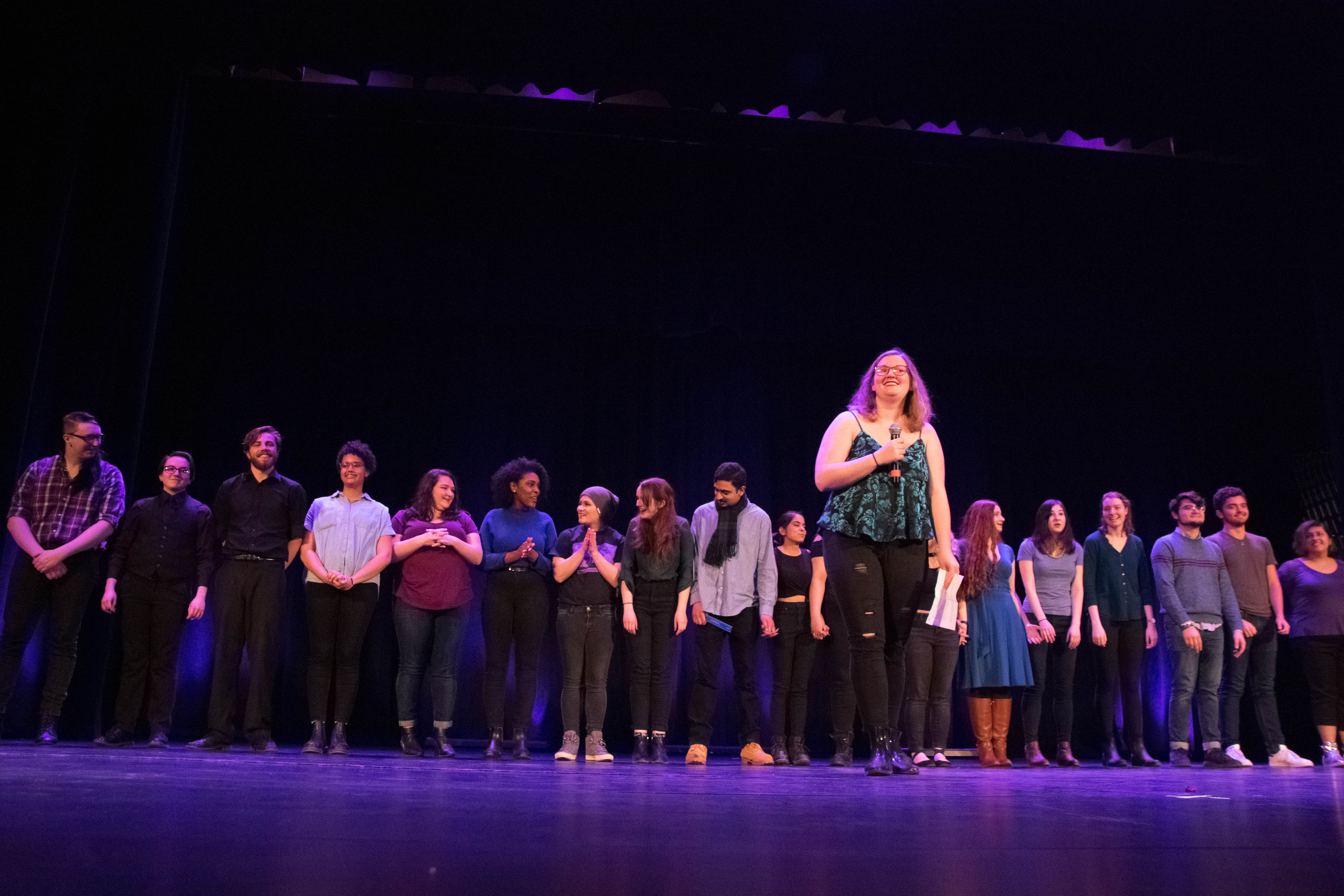
This Saturday evening, instead of their usual annual performance of “The Vagina Monologues,” College Feminists presented “Me Too Monologues,” a play composed entirely of student submissions, emphasizing inclusion.
The play is only nominally related to the #MeToo movement — the title refers to the inclusion of all communities. According to senior Margaret Bentley, who co-coordinated the show, a student last year made a complaint about “The Vagina Monologues” for its exclusivity. (The play, which is over 20 years old, has been criticized for what some say is a privileged, limited form of feminism.)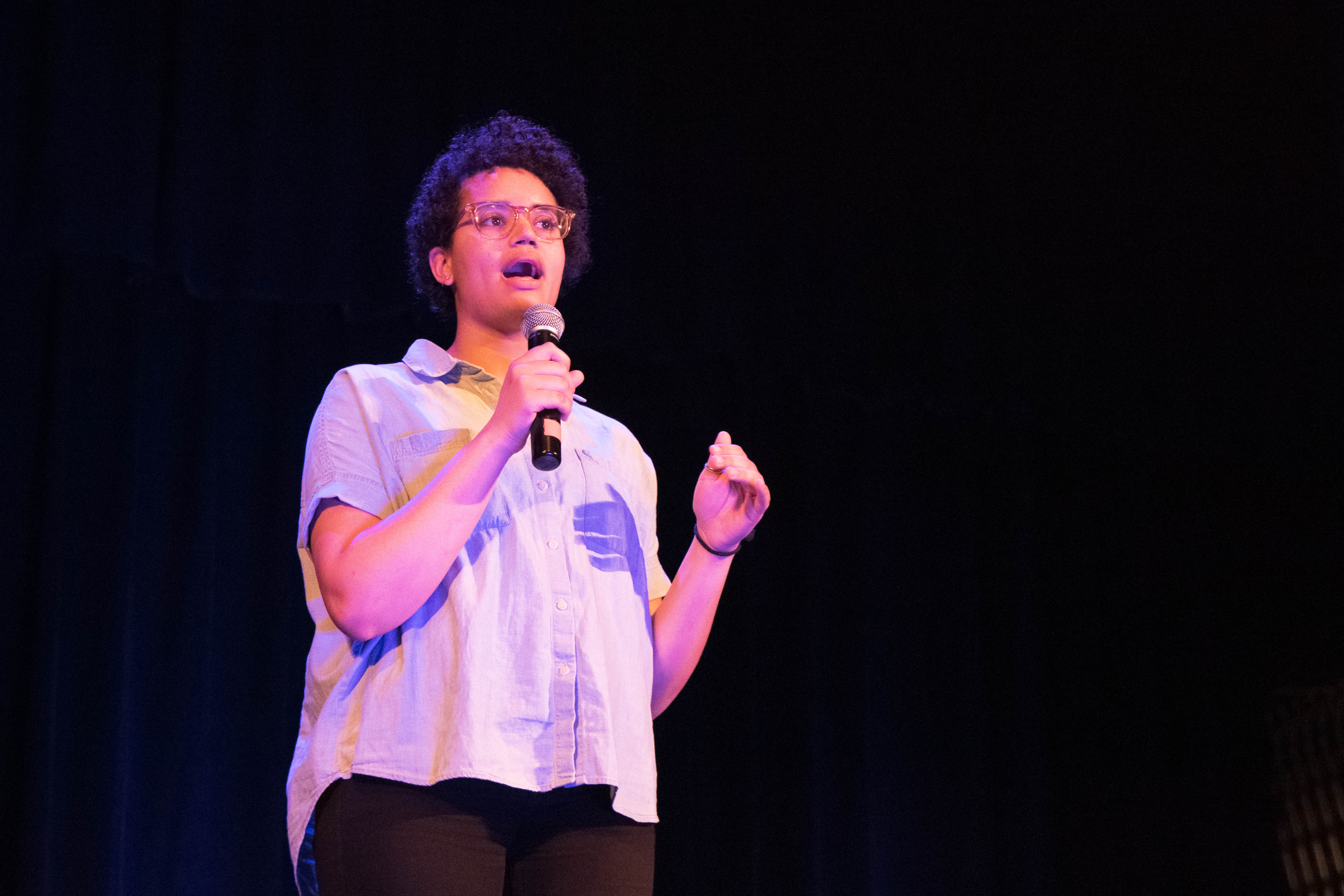
From there, Bentley, who was elected in the late spring of 2018, began researching alternatives, eventually finding “Me Too Monologues,” a staple at Duke University since 2009.
College Feminists put out a call for anonymous monologue submissions from anyone on campus. These were then reviewed by a selection committee. Bentley’s decision was met with positive feedback.
“There were some monologues that I relate[d] to,” said junior Isabella Leighton, College Feminists co-president, show performer, selection committee member. She added, “One in particular[…] made me feel seen.”
The production told stories on topics like racism, sexuality, campus relationships, and diversity.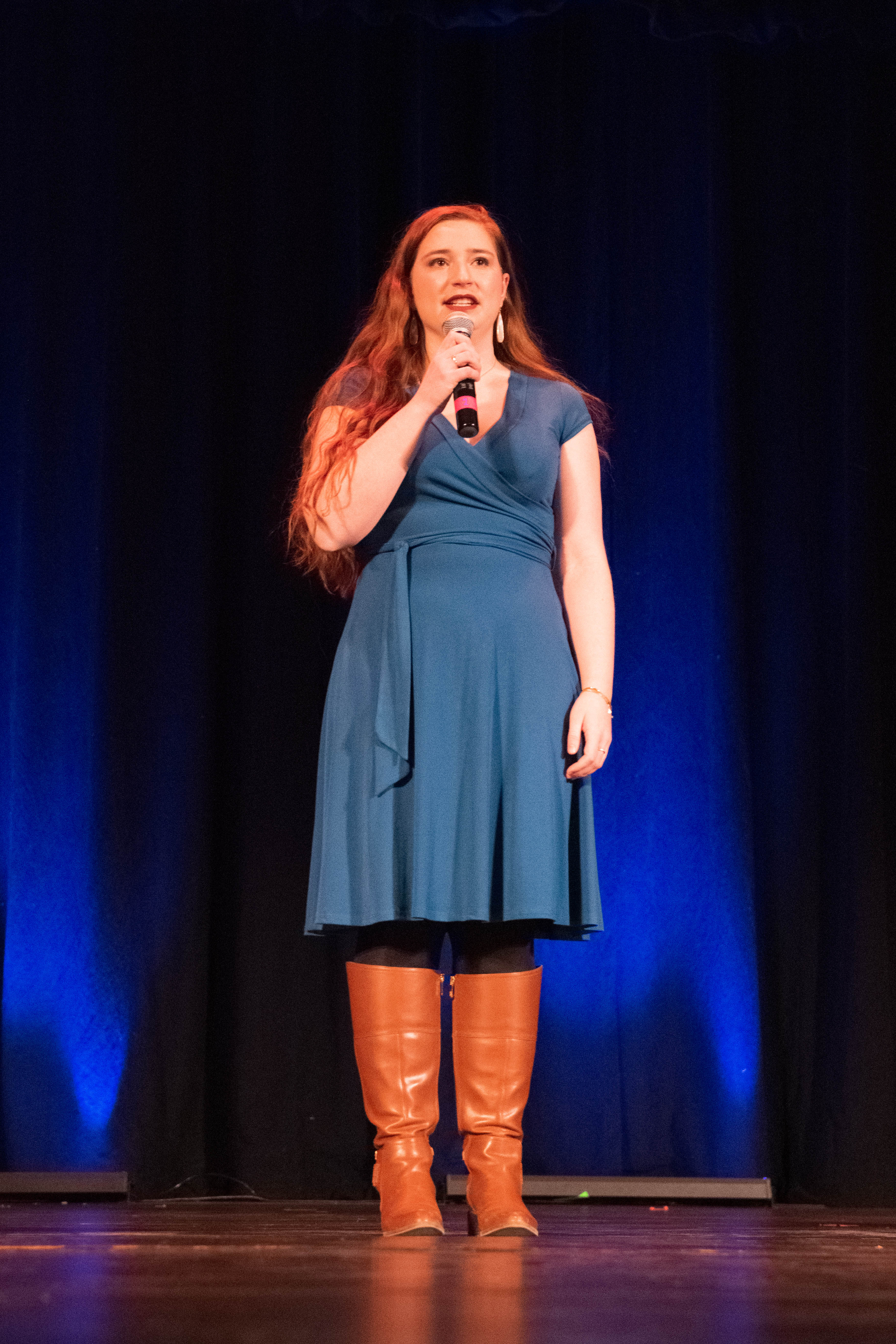
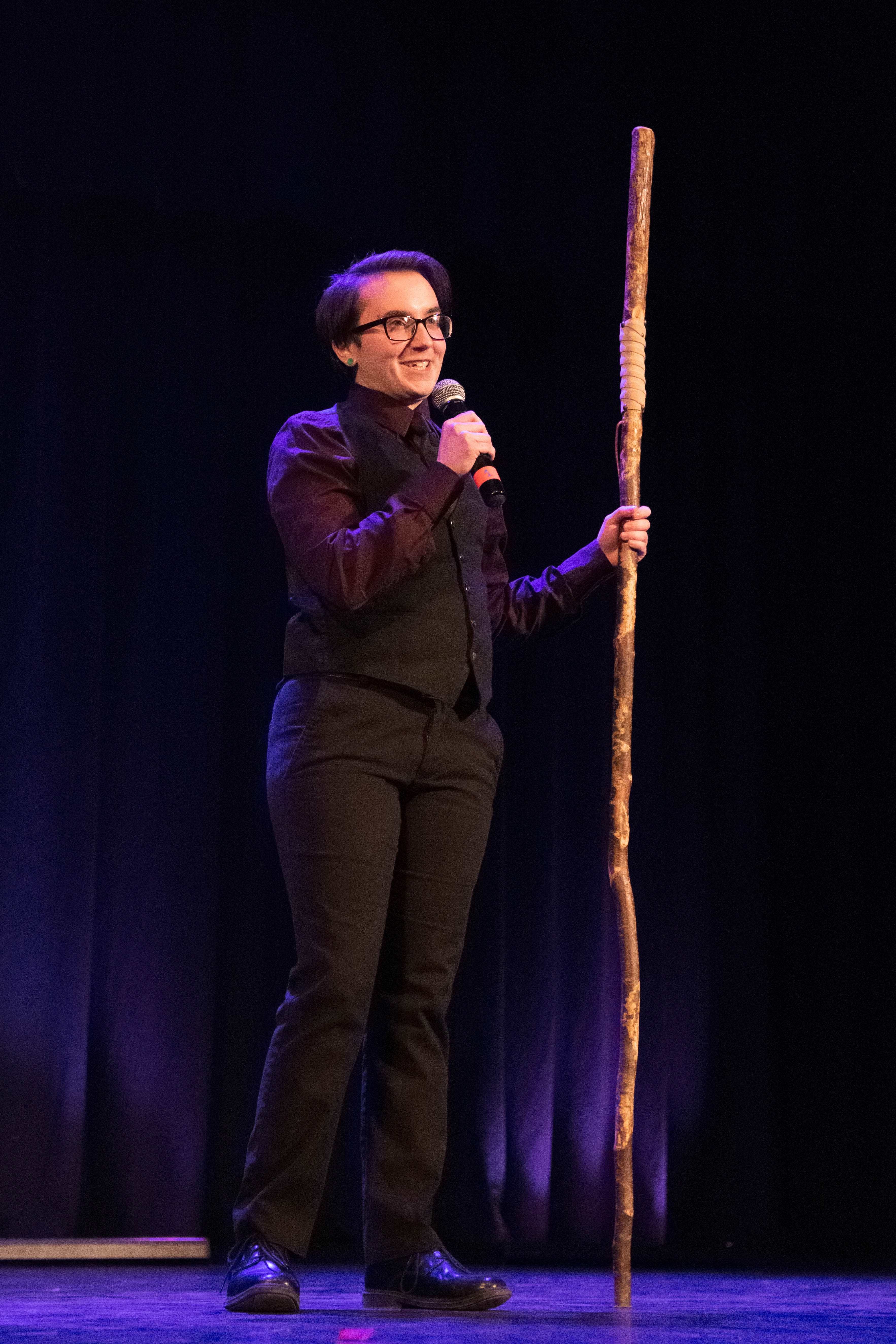
Some evoked reflection, questions, and emotional responses from the audience.
One monologue, “Actually a Really Nice Guy,” performed by senior Kyle Schneider, dealt with trust and double standards. “Where is the forgiveness [for women] we offer men?” he asked.
Another, called “Rebel,” told the story of a parent’s victimization at the hands domestic abuse and how it affected the narrator. “I saw hate, I saw pain,” said student performer Brenn Whiting.
In “Girl with Short Hair” a woman shared how she was frequently misgendered after cutting her hair short. “I like who I am and I am not going to change,” junior and performer Aliye Gallagher said at the monologue’s conclusion.
Since the audience was unaware of who in particular wrote each monologue, the speakers were able to embody a tone for each individual piece to present meaning behind the stories.
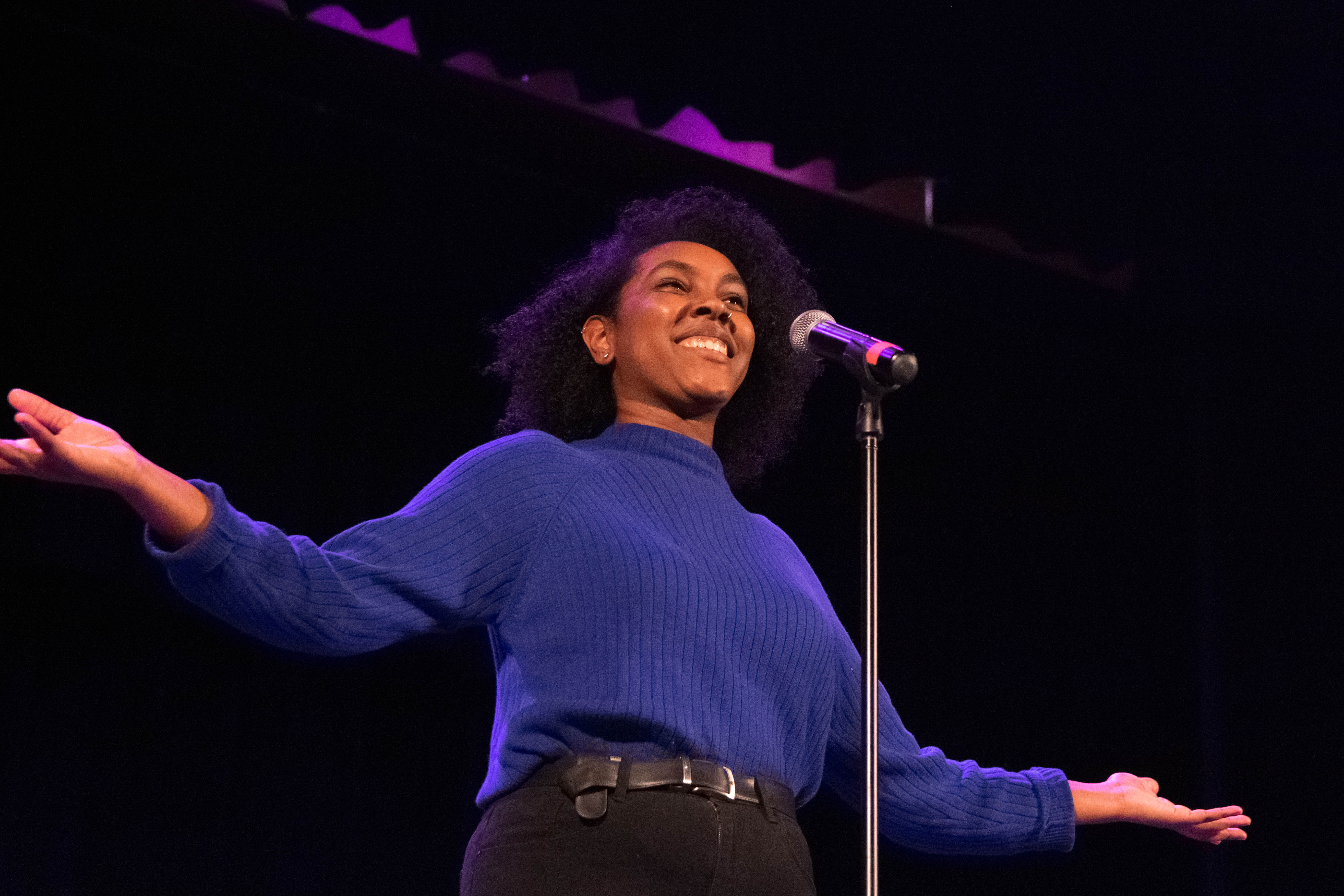
After the show, first-year Seana Montalbano said the takeaway was for “all women to vocalize their own experiences and support each other through the shared community.”
The day before the performance, Bentley told the Campus Times, “I want people to be inspired [by the show] to share their stories.” She believes that the “Me Too Monologues,” unlike “The Vagina Monologues,” is adaptable to inclusion and change. “[T]his format will always represent the community.”