Is Economics a STEM major?
It is now, according to UR — which might make all the difference for international students looking to work in the U.S.
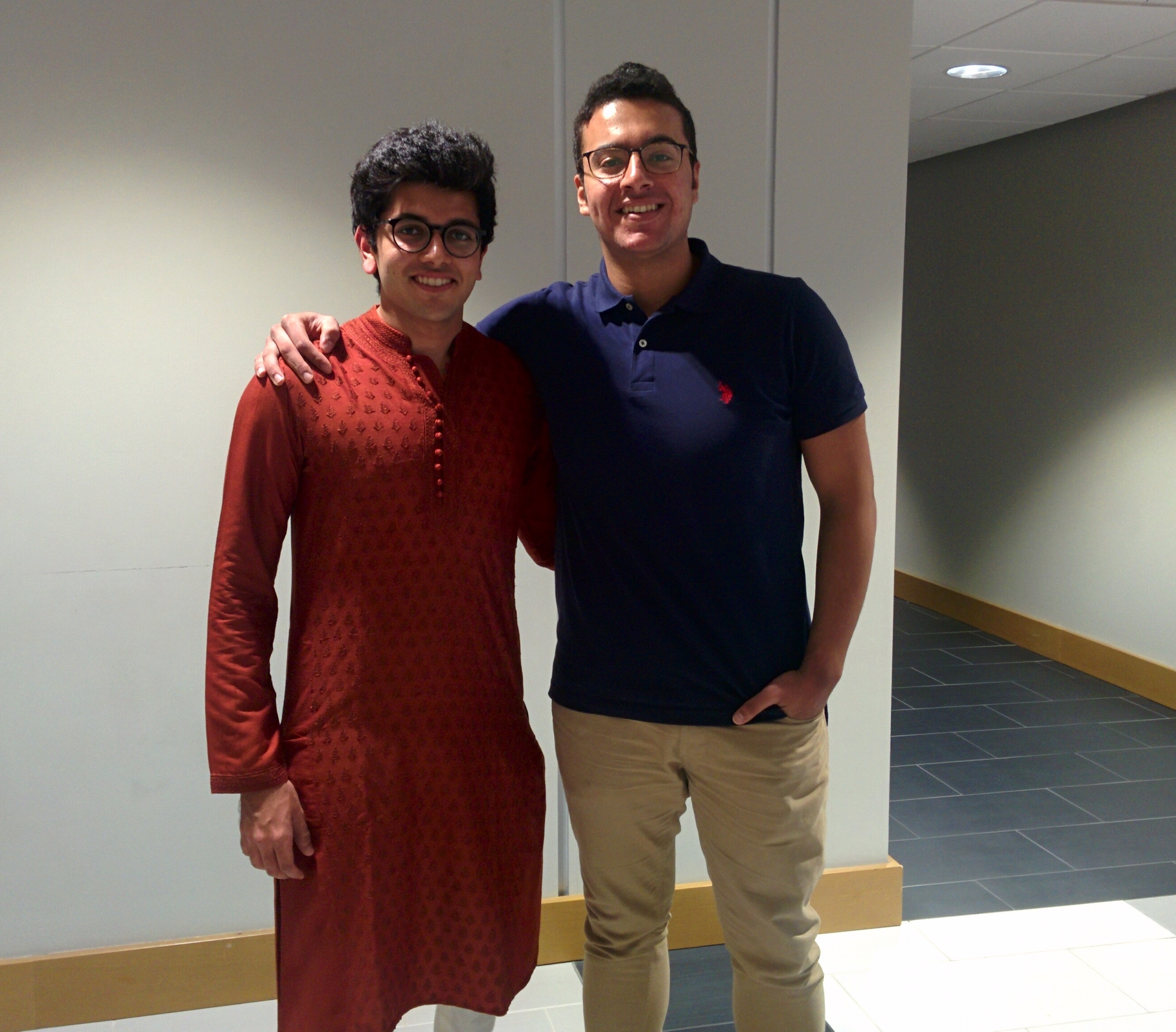
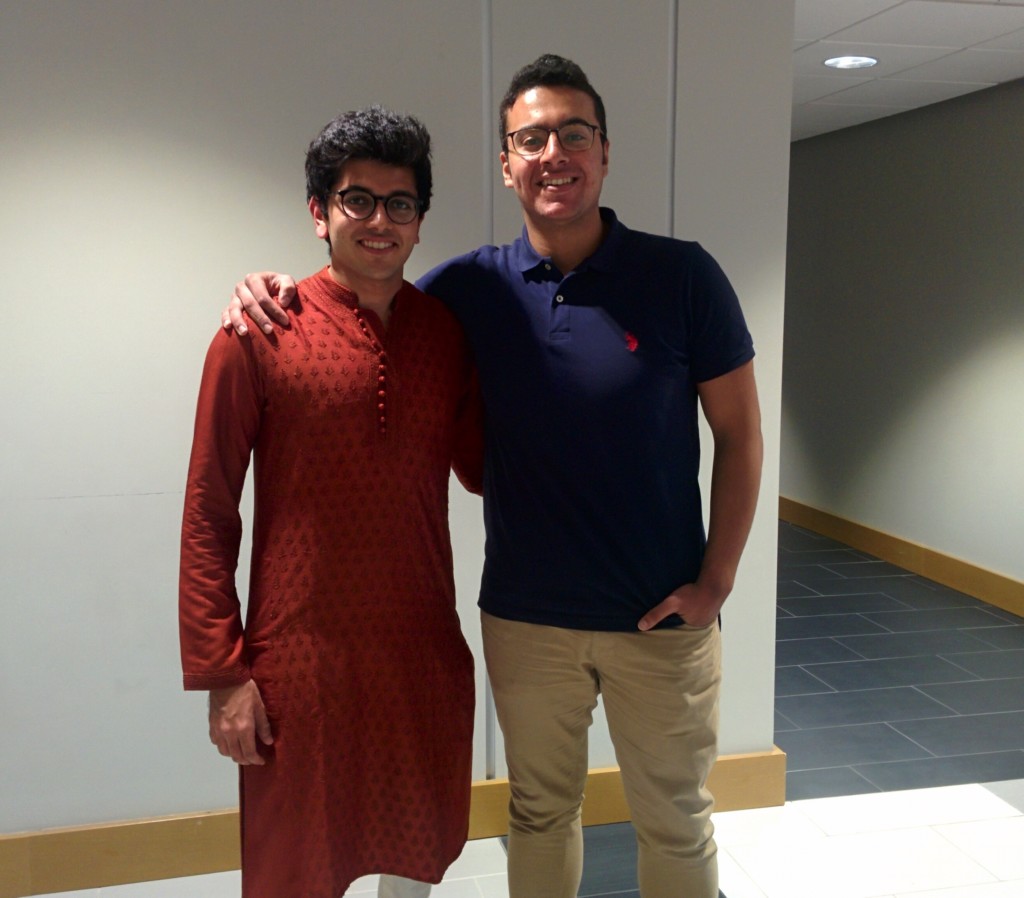
And for alumni Alhassan Omar ‘18 and Vitraag Mehta ‘17, two international students who majored in economics, that might become their unexpected legacy.
Foreign students on F-1 visas can stay in the U.S. to work in their fields for up to one year after their graduation — but those in STEM fields can apply for an extra two years.
After Omar struggled to find traction with American employers reluctant to hire students who would only be guaranteed residency for a year, he teamed up with his friend, Mehta, to pitch the idea to the Economics Department. They later met with Associate Dean of the College Alan Czaplicki, who told Mehta in an email that the administrative changes had been made.
“The dean was extremely cooperative,” Mehta said, adding later, “I think when I pitched it to him in a way where it was more benefiting the University, he really saw it from a different perspective.”
Omar called Mehta a believer and praised his persistence once they realized a single email would not be enough to convince the necessary people. After getting in touch with the dean, Mehta followed up at least once a week to ask about new developments.
The idea came to Omar last summer over breakfast, when he and some friends contemplated what they would do after graduation. Omar was dismal over his prospects because his major wasn’t considered STEM.
That was when one of his friends, a student at Brown University, said: “Oh yeah, we changed that.”
“I was like, ‘What, that’s possible?’” Omar recalled saying.
To make it happen, Omar sought out Mehta. The two met when Omar was a first-year, and they bonded over similar course loads, drinks at Starbucks, and pool games at Rocky’s. Turning their personal relationship into a professional one, they drafted a letter outlining their requests, sent it to the University in July, and waited.
But by October there was no news, and Omar was buried under his recruitment processes. So, much of the work of following up fell to Mehta.
“We’ve had a very topsy-turvy journey these nine months,” Mehta said. “I was fighting to make my stay in this country possible, and STEM seemed like a plausible way.”
When their goal was accomplished, Omar’s initial reaction was denial.
“I actually didn’t believe it, I thought Vitraag was joking […] It took me a while to realise how many lives it will affect,” he said.
“The impact is enormous, I cannot even put it in any words,” said Mehta, who prior to the reclassification would have been forced either to go back to school, move to Canada, or go back home to India last year. He concluded by calling April 27 “a day that I will cherish.”
As they move on, Omar encouraged students who remain at UR to question everything.
“Rules are made to be changed,” Omar said.
He urged other students not to “assume that this is just the status quo — look into it and [see] if it can be changed, and if it can, run after it.”