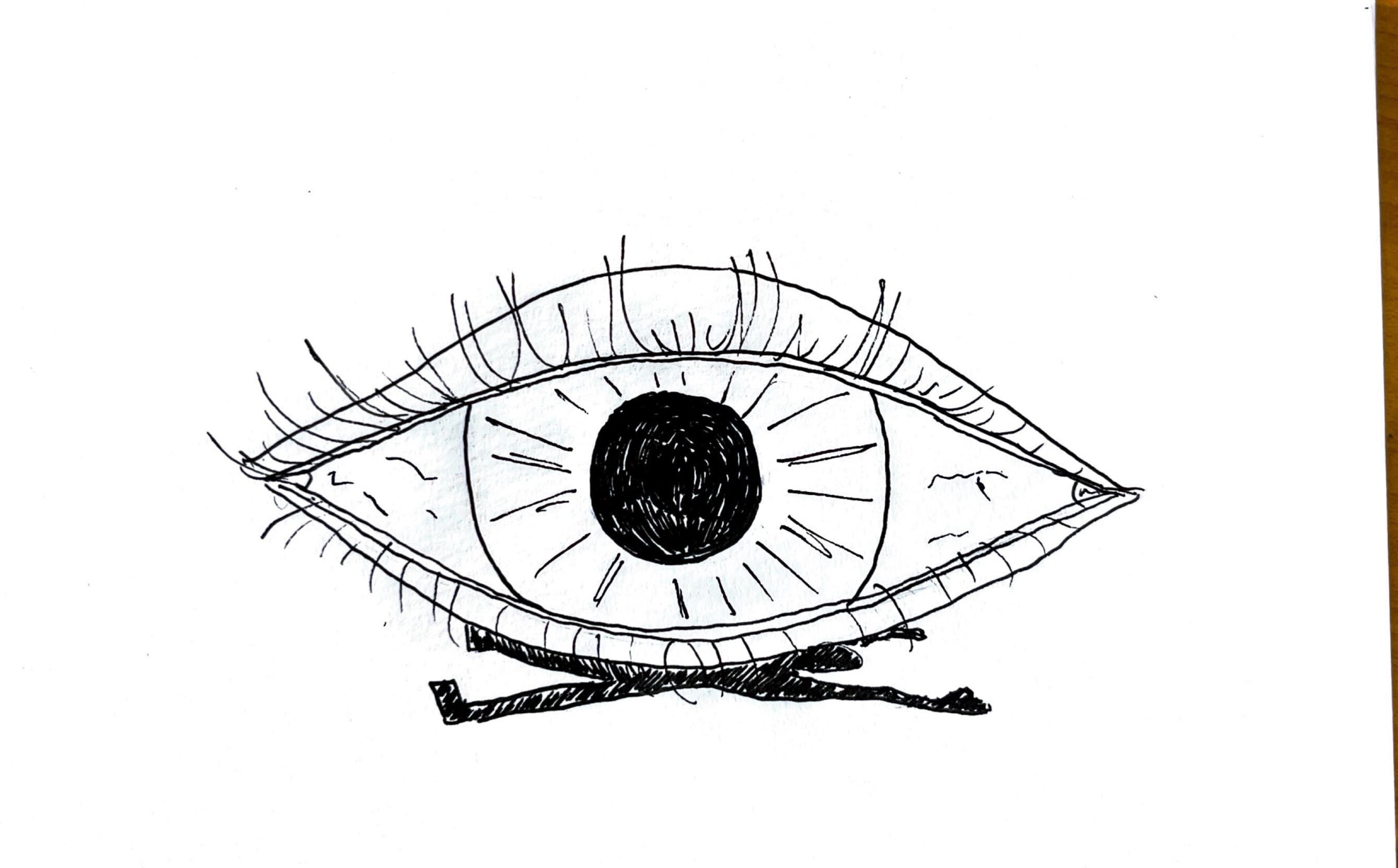
They say particles move differently when they’re observed. Well, it seems people do too. The moment I know I’m being perceived, I adjust. My shoulders square, my posture tightens, my tone softens, and even my breath, once unconscious, becomes deliberate as though it too is on display.
The truth is, we behave differently when we know we are seen.
For some of us, this weight of being perceived presses quietly against our shoulders, altering the way we stand, the way we speak, and even the way we think. The calculation is constant. Not too casual, not too formal. Not too soft, but never too sharp. It’s almost as though we live our days trying to balance on a scale we never agreed to step onto.
Perception matters, and, unsettlingly, it more often than not completely eclipses substance. Coming from a world like engineering, where my work spoke for me, it was such a contrast to step into one like business: where no matter what I did, my work itself was never going to be louder than how I did it.
In business, ideas are weighed less for their strength and more for the way we carry them — like the cut of a suit, the steadiness of a voice, or the practiced ease of delivery. This, to me, is the quiet inefficiency of our little world. It’s why I no longer dwell on perfecting my performance, and instead ask myself: When do I finally let it go?
Because if there’s one truth worth holding onto, it’s that the most beautiful moments of my life have had nothing to do with how I looked while living them. Like when the sun warms my skin on a cold day, when I laugh so hard that my stomach hurts, or when I’m held by someone who knows me without words. The people I love most don’t expect me to be flawless, only to be present.
I’m still finding my way through the discomfort, but maybe we all stumble a little under a gaze, and maybe that’s what makes us human.
Maybe the real weight of perception lies not in carrying it, but in knowing when to finally set it down.