There was a time when Earth science felt normal. We measured, shared results, set rules, and fixed problems. We cut lead in gasoline; children’s blood lead levels fell. We limited sulfur pollution; acid rain declined. We phased out chlorofluorocarbons (CFCs); the ozone layer began to heal. It was hard, but it wasn’t a culture war.
When did climate work turn into an identity war instead of an environmental risk-mitigation plan? Before the 2000s, big steps to cut pollution were framed as public health and basic stewardship. People could see the link between the science and the necessary solutions. Debates on cost and timing stayed in the realm of “how,” not “whether.” Climate change was already in view, and leaders from both parties took it seriously.
In the late ’90s, the U.S. resisted climate action when our Senate rejected the U.N.’s Kyoto Protocol, saying it excused developing countries at our economy’s expense. But in the years that followed, anti-environmentalism precipitated into partisanship. Climate issues became a marker of team sports: in 2009 the Democrat-controlled House passed a plan to cut emissions through a cap-and-trade system The bill died in the Senate, opposed by Republican party lines. Two decades later, the pattern repeated with the U.S.’s withdrawal from the Paris Accords under Trump and immediate return under Biden.
The ozone layer also changed over decades, but the danger came from a select few chemicals, so the solution was direct. But straightforward solutions are rare, and the timespan of climate risk is long, leaving plenty of room for hesitation even as the long-term picture grew clear. Communities saw high upfront costs with distant benefits. Coal towns faced job losses, coastal cities paid for higher seawalls, and rural ratepayers worried about bills. Trust had to be built between communities, governments, and companies. Powerful interests took advantage of the uncertainty: later investigations showed ExxonMobil’s own scientists predicted climate risks decades ago, yet the company spent years obscuring the danger. Moves like this eroded public trust, and the media responded. We moved from a few shared news sources to a myriad of polarized outlets that disagreed on basic facts.
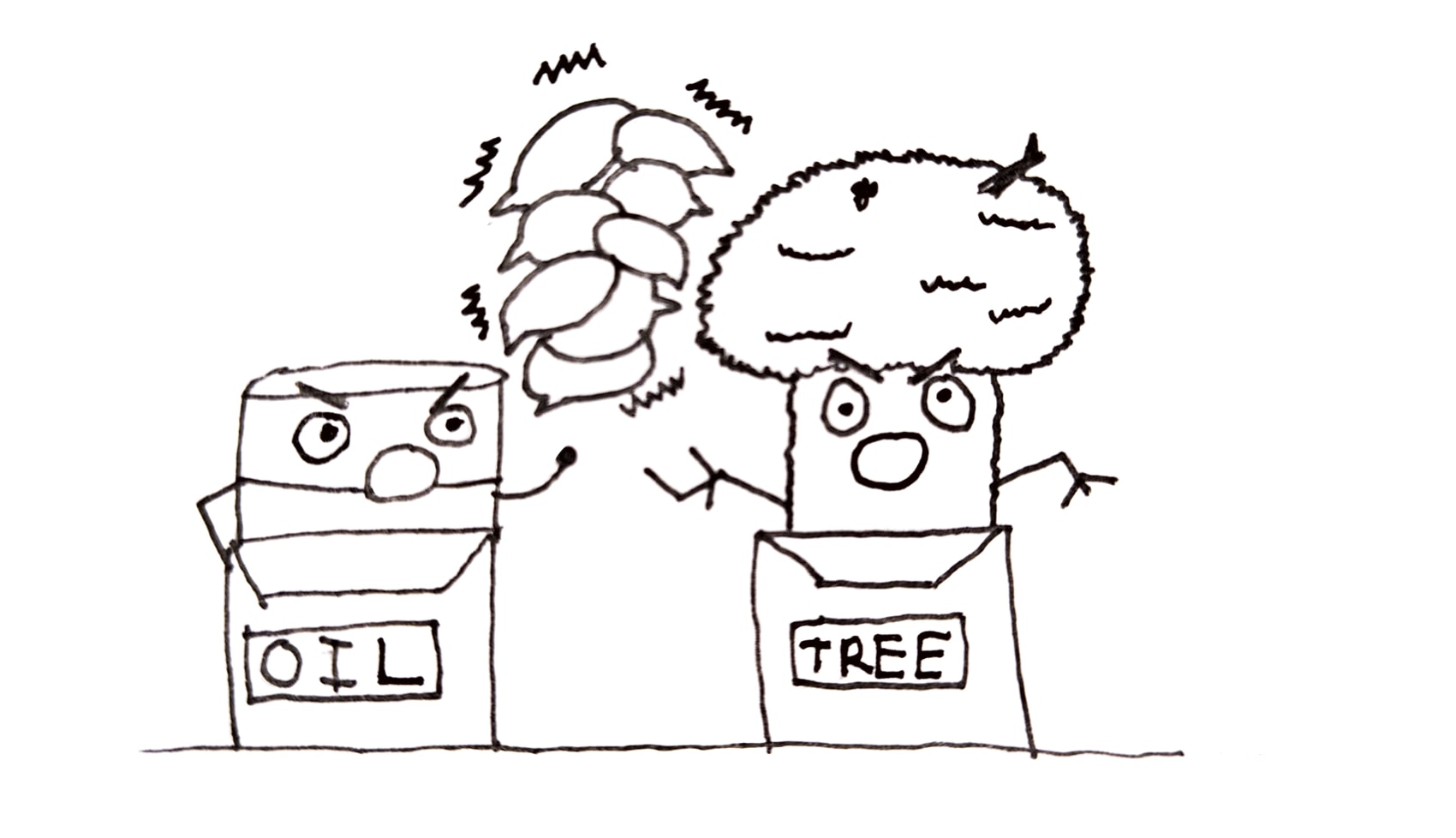
One narrative prophesied doom, demanding widespread sacrifice; the other denied any problem and refused every solution. People grew distrustful of both extremes, as partisan rhetoric and media echo chambers reinforced climate as a team sport, not a crucial issue. With aggressive lobbying and legal fights, the result was total gridlock. Another major cap-and-trade bill died in the Senate in 2010 along party lines. Years of lawsuits and backtracking followed, only obscuring the truth.
Even so, there are real reasons underlying why Earth science and climate policy became controversial and why discussing results feels harder today. Switching to clean energy is not just about science it is about land, jobs, and bills as well. Wind and solar need physical space and new lines to carry power. Some people want such projects, but not the transmission lines that would mar their view. Some towns fear that shifting away from oil and gas will cut paychecks well before new jobs arrive. Permits can take years and local rules can block projects, one by one. This turns a national goal into many small fights.
For Earth science to feel normal again, we must measure, share, act, and check. Start with open data. Publicizing maps for all environmental risks that let residents understand their own town. Real-time data allows faster, cheaper action. It also helps small towns, farms, and firms, because they do not have to bear the cost burden themselves. Keep the focus on short-term, visible wins, like cooling public spaces during heat waves, updating flood maps and storm drains, preventing methane leaks that waste gas, and reinforcing vulnerable parts of the grid to prevent failure during crises. These steps have fast payback and show noticeable results. When people see gentler flooding and more transparent governance, political discourse calms down. Reward projects that cut losses. Use prices that match data-informed risk, which insurers, banks, and buyers are already doing in other areas. Prevention is cheaper than cleanup. This is not left or right; it is basic accounting.
It is essential that we fund the basics that make science work, like field labs, calibration, and long-term monitoring. Researchers need steady support for not only field teams and tools, but also the parts that keep lights on and data flowing: staff, data servers, and training. Cuts to these essentials cause projects to stall, and keeping scientists working ensures communities do not lose the people who build crucial tools.
Earth science became controversial when we stopped treating it like risk management and started treating it like identity: when costs felt local and near and benefits felt broad and slow, our media splintered and debate turned into a team sport. None of that is permanent. We can return to the basics.