It’s that time of the year again! We know them. We love them. Bugs! They’re everywhere: hair, food, bed, you name it. They’re so everywhere that it’s gone from a pressing issue to a world crisis. You want your vegetables back? Too late, the bugs stole it. You want your dog back? Too bad, the bugs yoinked them. You want your neighbor’s uncle’s brother’s mother’s pet fish back? Why?
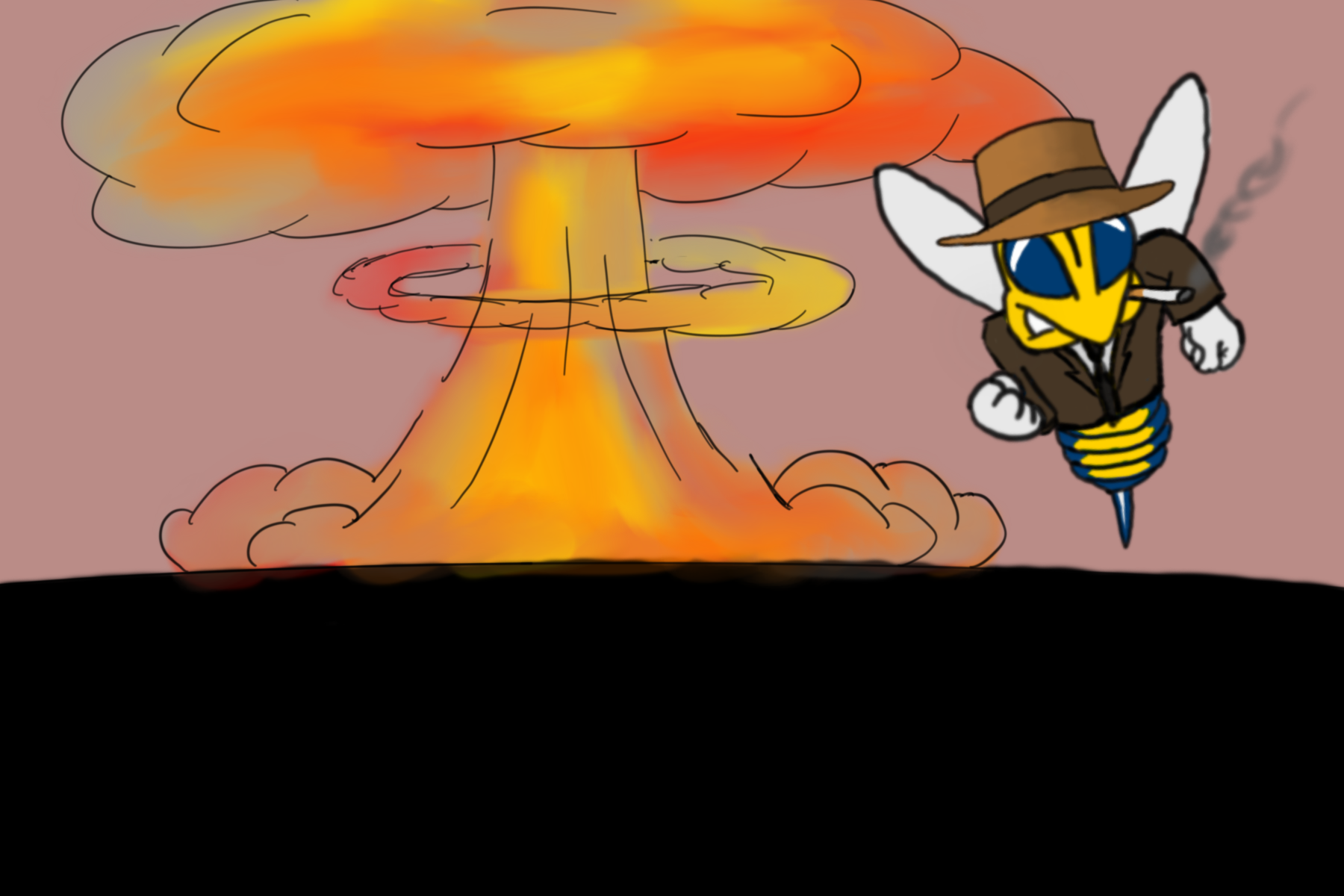
The world is uniting against this crisis and fighting back against the bugs. The War against bugs has officially begun. As I write this article, nations are resorting to their supply of flares, which have proved quite effective when dealing with the bugs. They last just long enough to burn any bugs that run to it for light. All the benefits and with minimal damage. However, flares aren’t getting rid of them fast enough, so nations are also using nuclear weapons to demolish these pesky bugs once and for all. All the benefits and all of the bugs destroyed — all with maximum damage. The immense heat and light produced by such explosions are effective enough to convince bugs that there’s an even bigger, brighter light to chase after, other than your average street lamp, front door lamp, or even the Sun.
Throughout all of this, one voice rises above the shouts of “The Bugs are Bugging us”: bug companies. The companies selling bug nets or bug spray seem to be at an all time high, with sales through the roof — and, puzzlingly, so are their investors. Oddly enough, they seem to love the bug situation. No one seems to know why though.
Some conspiracies say that these companies released all these bugs into the world to get more sales. They caved under capitalism pressures to make more capital, so they decided to create a solution to the problem they created. Maybe it’s true, maybe not. One thing is for sure though. If these bugs continue on the track they’re on, humans won’t be the top species on Earth. Bugs will.