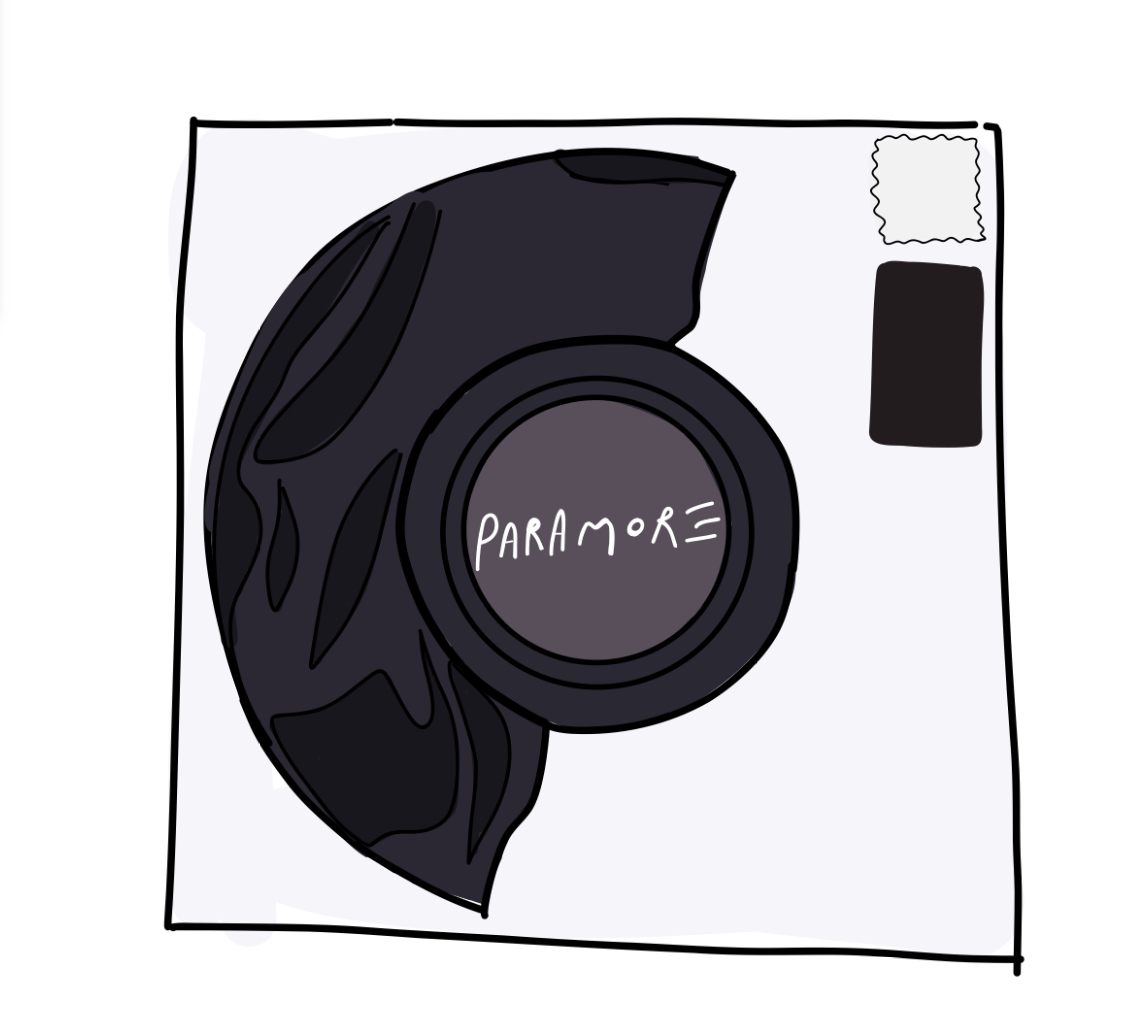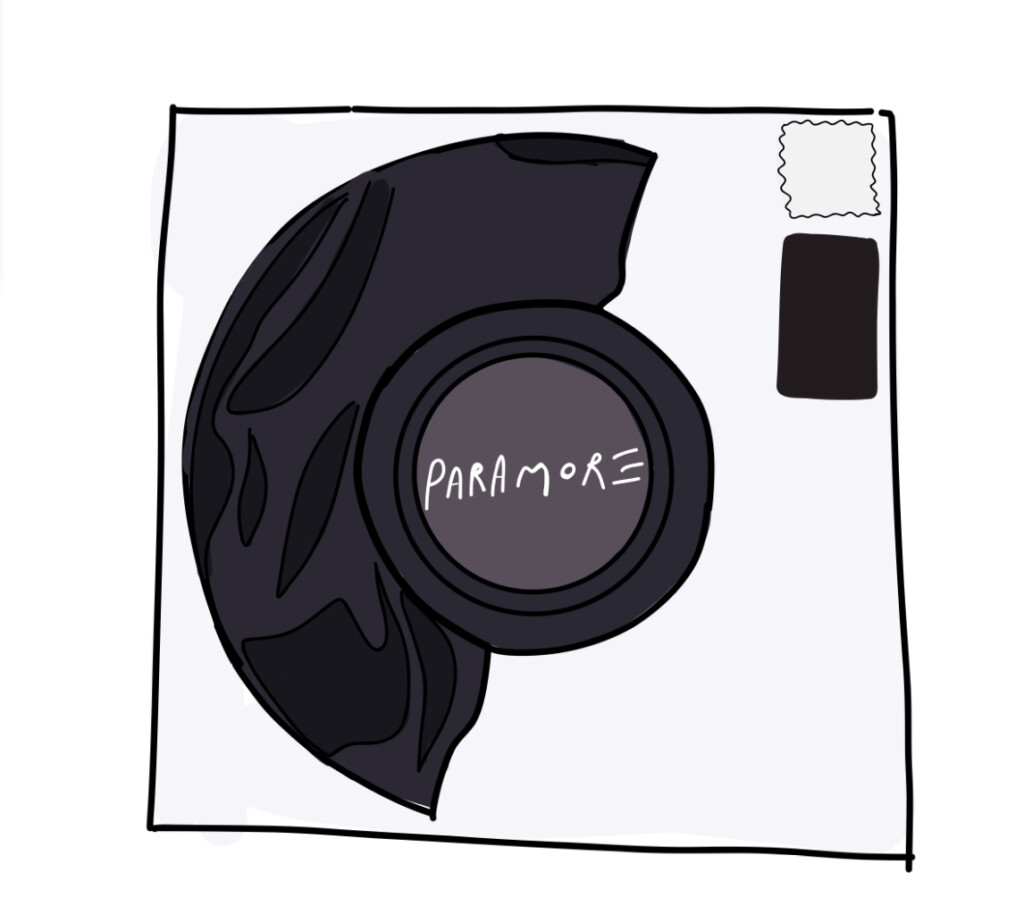
Paramore released their self-titled album worldwide on April 9, 2013, and it immediately received praise. The song “Ain’t It Fun” earned the group their first Grammy, with the whole album receiving Platinum status.
Looking back over ten years later, it’s obvious the release was the beginning of the Paramore we now know today.
In an interview with Rolling Stone, lead singer Hayley Williams described the monumental changes the band went through between the release of “Brand New Eyes” and the recording of “Paramore.” Josh Farro and Zac Farro had recently left the band and released a scathing letter making vicious claims about the band’s creativity and insinuating the labels were taking over the songwriting process. Josh Farro had been an important band member, not just because he and the other members were all childhood friends, but also because Williams and Farro often shared the responsibility of songwriting.
For these reasons, Williams said they chose to self-title this album as a reintroduction of the band.
“Paramore” is a 64-minute-long rebirth of the pop-punk icons, showcasing Taylor Young and Hayley Williams’ ‘80s music and modern pop influences to create a sound which we now know to be quintessentially Paramore.
Wedged between pop-punk bangers like “Anklebiters” and funk-fueled dance tunes like the insanely popular “Still into You” are the iconic “Interlude” tracks which feature Williams’ raw vocals over a single ukulele. The album is quite eclectic, also featuring the ballad “Hate to See Your Heart Break,” which exudes the energy of an older sister aiding her younger sibling through heartache and the loss of friendships.
Lyrically, “Paramore” sets the stage for their massive growth, and for their members’ self-expression. The band has existed since the members were teenagers, and at the time they recorded their self-titled album, they had already spent eight developmental years in the limelight. This is evident in many of the tracks on this album, like the lyrics from “Interlude: Holiday”: “Now I can move on to facing/Big girl problems/No more high school drama. The band obviously reached a level of maturity in 2013, coinciding with their mid-twenties.
What can we take away from “Paramore” in the year 2024?
Firstly, that there is always room to grow into ourselves. Williams divulged that after the drama following “Brand New Eyes,” there were many days when it seemed easier to simply end Paramore. However, by experimenting with new riffs with Taylor York, a new sound began to emerge which inspired them to hit the recording studio.
Now more than ever, “Paramore” is a universal soundtrack for navigating adulthood and the struggles that come with it. When we were kids in the 2010s, Paramore was sowing the seeds of valuable coming-of-age lessons, which still hit close to home today as we revisit their self-titled album for nostalgia’s sake.