A Day in the Life is a Campus Times series highlighting the studies and lives of UR students.
Fred Liu is a senior majoring in Computer Science and Political Science. He has been running a photography account, Bankrupt Photographer, under the name of charity to take free professional photos for UR students and clubs. To learn about the story behind the photos, the Campus Times spoke to Liu about his experiences as an semi-anonymous public figure and the motivations behind his work.
Answers have been lightly edited for grammar, clarity, and/or style.
What is your major, and why did you choose it?
I’m a Computer Science and Political Science major. The reason I combine these two is that later on, in my grad school and also law school, I’d like to do something with intellectual property law, which is sort of the merging of CS materials and also policy-related materials. I think having a technical background in CS and a softer background in Political Science just prepares me pretty well before I step into that field of work.
Tell us about Bankrupt Photographer. Why did you decide to do it?
Bankrupt Photographer was a project started during COVID-19, sometime in March 2020. The reason why I started this thing, and also with a good friend of mine — Boris Sorokin, who’s one of my first models — is because we realized that there are a lot of students, on LinkedIn, for example, who have a desire for professional photo shoots but cannot afford a professional photographer. I also realized that the photographers on campus, or just photographers in general, overcharge a huge amount of fees for a very minimum amount of images. I just think that it’s a ripoff for most of the low-income students and I just feel like I’m in some sort of obligation to help these low-income students and clubs on campuses as well as those who just need professional photos but cannot afford it without paying a huge amount of money to other photographers.
What is your favorite part about this job?
I just like meeting new people in general. We have served more than 100 different students and probably like 10 different clubs already. I just enjoy taking photos in general. It’s more like this artistic nature of mine and I also get to meet with new students and also students with various backgrounds and from various nations.
Tell us about a typical day in your life as Bankrupt Photographer.
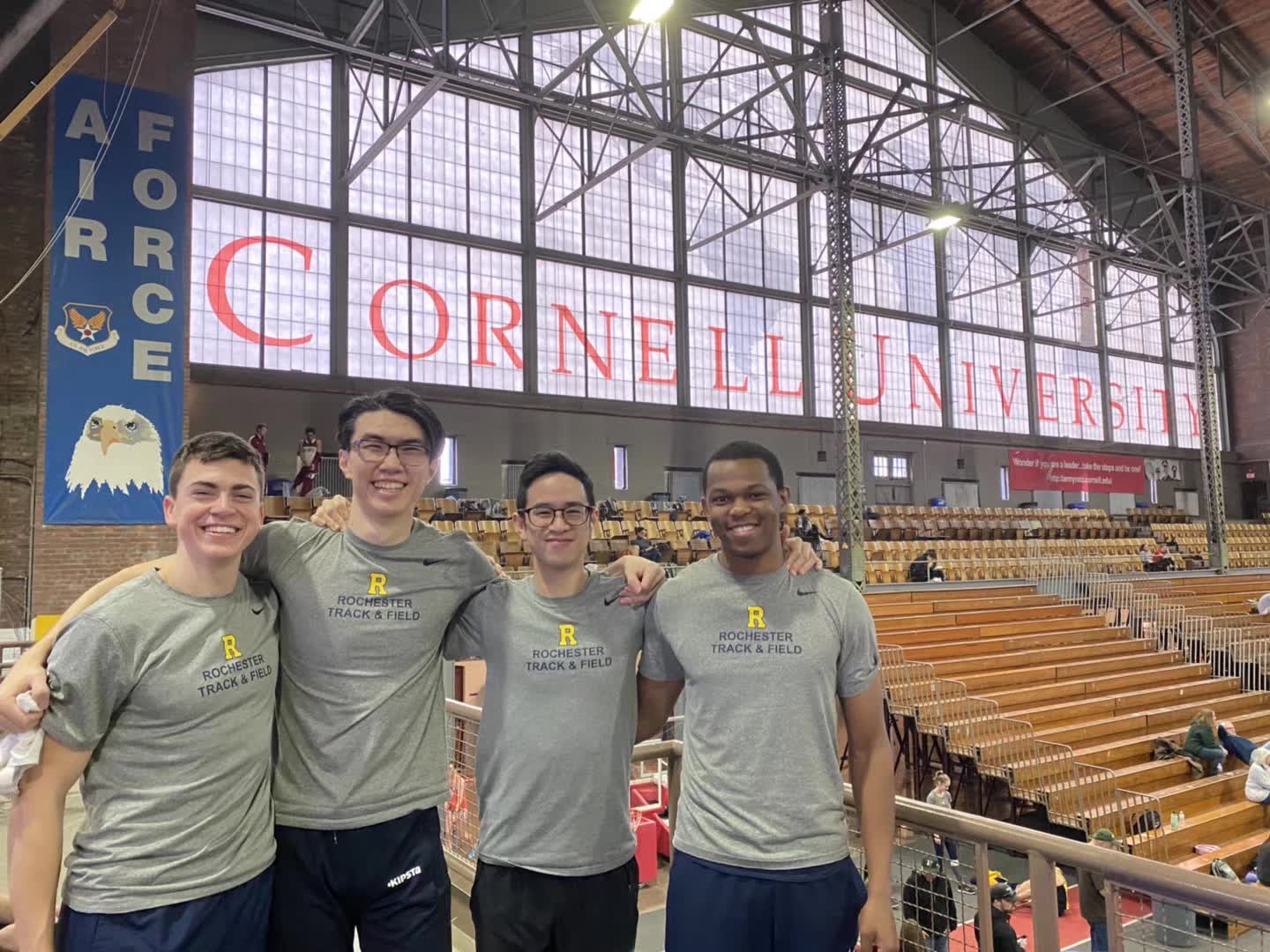
There is really not such a thing as a day in the life of Bankrupt Photographer because, again, it’s like a huge project that just does stuff while people reserve for Bankrupt Photographer and I just go and take photos. But speaking of a day in my life, personally, I stay up really late usually and I would do my homework or study for LSAT or something like that. I wake up at around 10:30 or 11 a.m.; I go to class; I eat. Because I run track, I would then go to my afternoon practices and then I eat again with my teammates. And then, if I have other obligations to do, I usually do those obligations. I then finish my homework and I fall asleep. It’s pretty typical to a college student — nothing special.
What is something you would want other students to know about Bankrupt Photographer?
I think to just treat it as an idea because the backbone behind Bankrupt Photographer is to serve the community, especially the disadvantaged communities who are not able to afford services like hiring a photographer. That’s why Bankrupt Photographer has always been free. We do ask donations for charity organizations but that is totally voluntary. What I want people to know is that it should become an ideology, an ideology to serve the poor and help the poor.
Editor’s note: Corrections were made on May 3, 2024. “Intellectually” property law was mistakenly written as “international” property law in the original story, and Liu’s project start was corrected to 2020, not 2022.