When I returned to campus this fall, I didn’t know what to expect. Masked and sanitized, I made my first trek of the year to the library soon after I arrived back. It didn’t feel familiar: all chairs six feet apart, signs discouraging eating and drinking, and an eerie quiet I couldn’t shake.
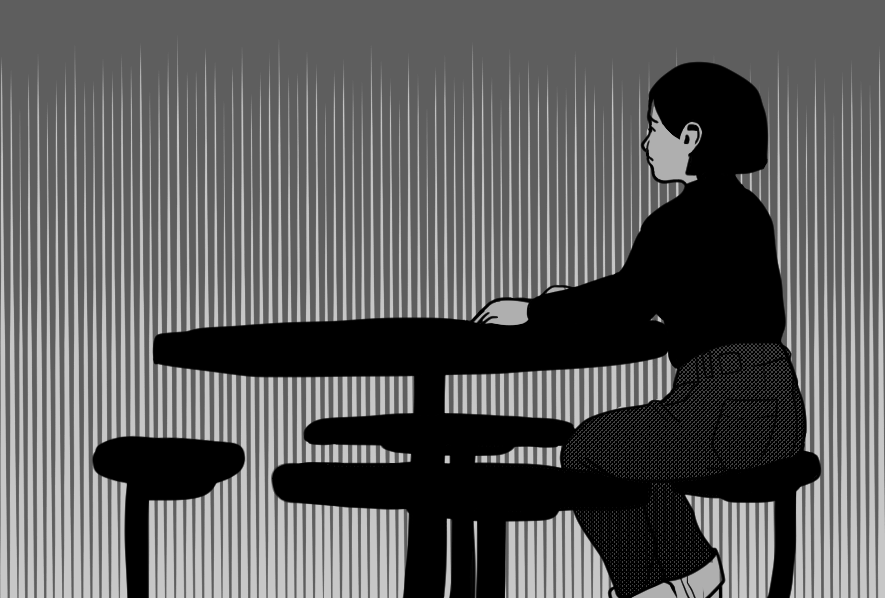
I settled in, tried to get some work done, and realized that I couldn’t focus on anything except COVID-19. I packed up my belongings and decided to look elsewhere for the comfort and safety Rush Rhees could no longer provide. The blue table under the shadow of the library seemed like a good candidate. Equipped with outlets and an umbrella for shade — it was perfect. I sat down, unpacked, and proceeded with my work, this time able to focus.
From that first day onward, I spent most of my time on campus at that table. It became the spot where I could safely sit with my friends to have class or study together. I could comfortably eat or drink, protected by the outdoors and fresh air. It became a running joke between professors and friends alike that if I wasn’t at that table, something was wrong. “You weren’t there today when I walked by. Are you ok?” my friend Mairead texted me one morning. It was nice to know that seeing me at the table brought some sense of regularity to people in the midst of a very irregular semester.
That table was a place for safe social interaction, a place to work, and sometimes just a place to sit outside and not think about anything at all. As silly as it may seem, it felt like at that table, COVID-19 didn’t exist. When I sat down, I could forget that we’re in the middle of a global pandemic. I was just a college student, enjoying their normal college life, not surrounded by a heavy cloud of impending doom.
I’d remember this wasn’t true when my mask would suddenly adjust, driven by a breeze or a facial movement, snapping me back to reality. I’d take a pump of hand sanitizer and sigh, reluctantly returning to my very abnormal life.
As the semester continued, it became too cold to sit at that blue table. I’d still pass by it daily, smiling nostalgically at the inner peace it helped me find. While I missed the table, I eventually found other avenues to that peace. I sat with my friends in the Flag Lounge where we could safely distance.
Leaving campus to go home for Thanksgiving brought me anxiety that I wasn’t ready for. Even though I’ve adjusted since, the thought still looms: This isn’t the senior year I expected to have. But I’m grateful for the time I’ve had with my family and friends, even if it looks different from before.
Now, at home, I sit by my grandmother’s bedside everyday — checking periodically to see if she is still breathing — missing the comfort I had at that blue table, the eye in the middle of a storm with no end in sight.