March 30, 1923 (The Campus)
UR receives a letter from Silesia, Germany, written in Latin and requesting money to be sent to support a college and its students. The letter noted prices of goods, including coal, flour, and butter, that were in the range of thousands of marks. The letter was expected to be ignored.
March 27, 1936 (The Campus)
Installation of a 17-ton magnet for a cyclotron begins at Bausch and Lomb Hall. The magnet would be transported in eight pieces of two-to-three tons each and be assembled on site.
March 28, 1947 (The Campus)
Rush Rhees Library displays rare books, manuscripts, and prints in an exhibit timed to coincide with a humanities conference at UR. Some of the items on display were the Reichenau Codex, letters and documents signed by individuals including Queen Elizabeth, Erasmus, and Michelangelo, a manuscript of “Rondo in A” signed by Mozart, and 16 prints from the Memorial Art Gallery that included the works of Rembrandt, Durer, and Goya.
March 27, 1953 (The Campus)
UR and Hobart College reach an agreement to reinstate athletic competition between the two schools in the fall of 1956. The two colleges had suspended athletic competitions between themselves in the fall of 1947, after then-UR President Alan Valentine ended athletic relations with Hobart in the aftermath of a 7-7 tie in a football game after he felt too much emphasis had been placed on the rivalry between the two schools.
March 25, 1969
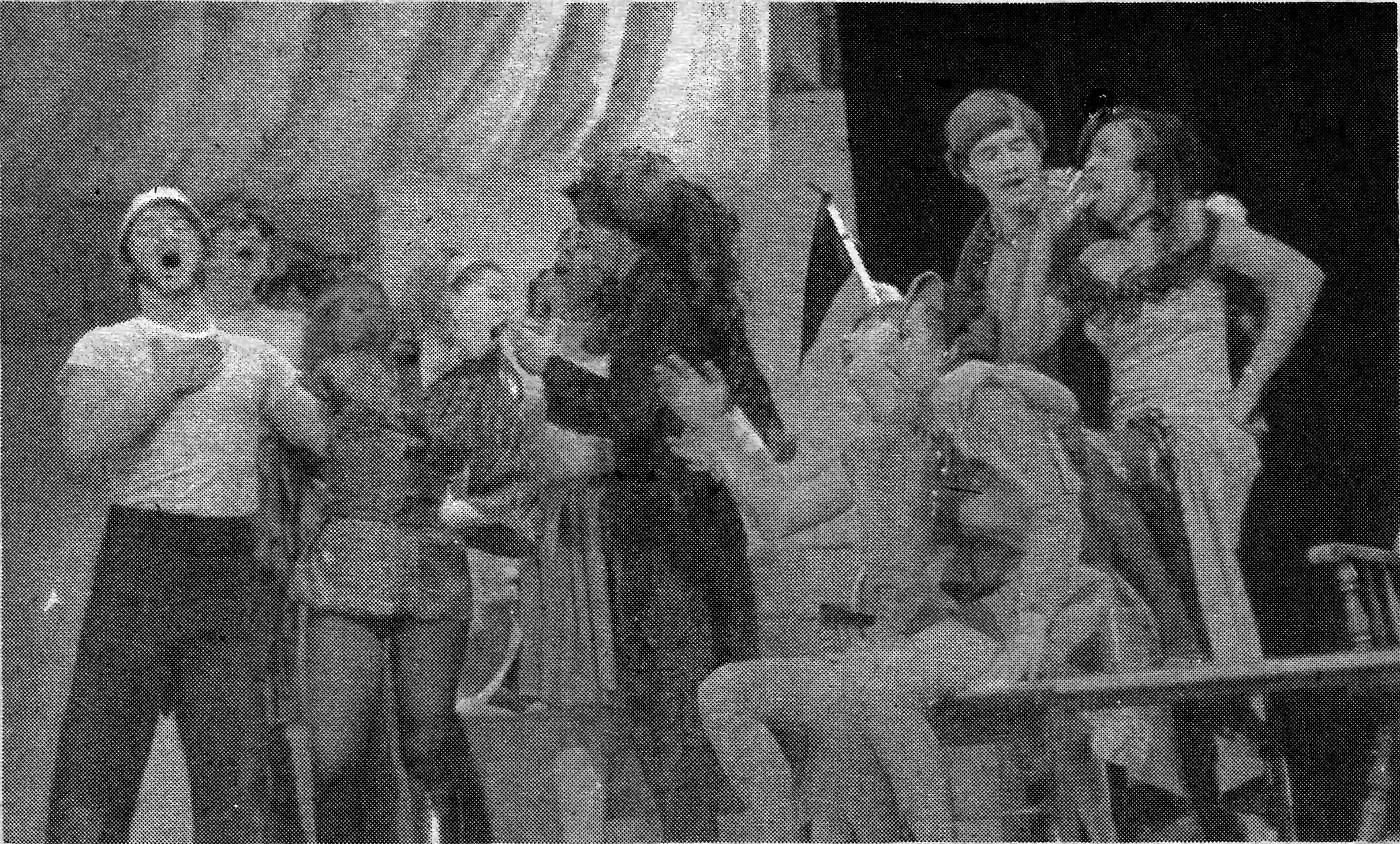
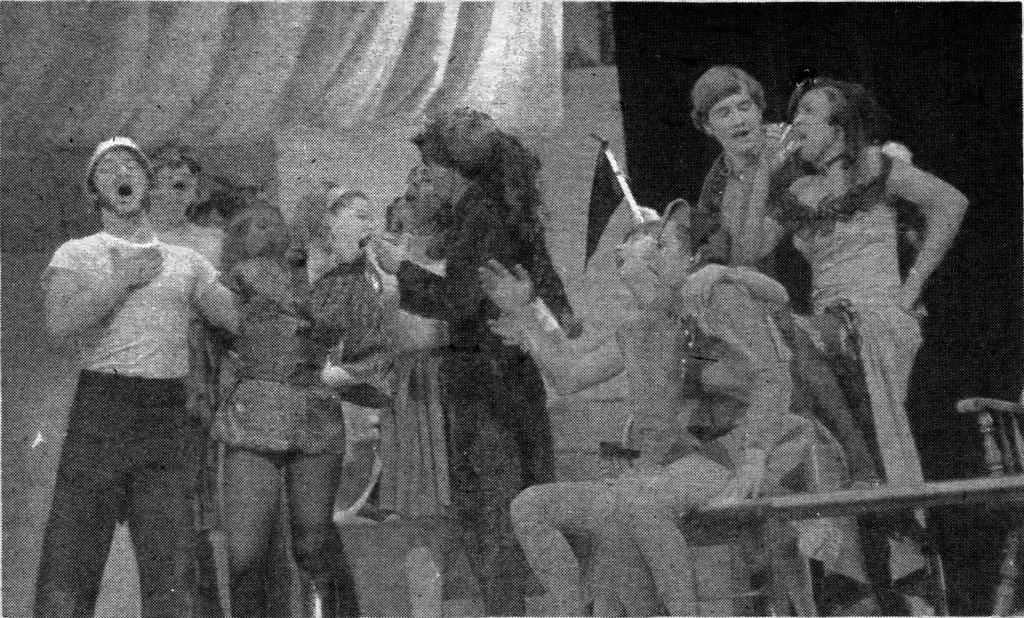
The Campus Times reviews the Jesters’ musical comedy “A Tantrum at Midnight,” which was performed in Strong Auditorium. The reviewer felt that the performance as a whole was lacking, but that the energy brought by the performers helped save the show. He was also critical of the singing and dancing, but praised set construction and lighting.