Kevin Scantlen, Opinions Editor
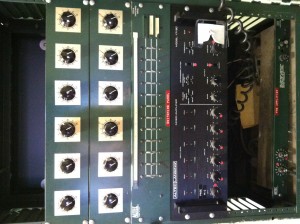
Rush Rhees Library is one of the most utilized resources on campus; students, faculty and visitors constantly flow through the building. In order to keep control of this stream, library employees use an intercom system located behind the circulation desk to notify patrons of closing times and to occasionally make other general announcements.
Unfortunately, this system is outdated. Implemented many years ago, the transmitter only reaches those areas of the library that were deemed “public” at the time of installation. Although the library has since changed, the intercom system has not. This means that the library’s main form of interdepartmental communication is now both old and, in some places, nonexistent.
When the original system was introduced, offices were not included because most full-time staff members left several hours before the library closed each day. Gleason Library, for example, was office space when the intercom system was instituted and was therefore left alone. The Reference Stacks were also left untouched. As a result, patrons now run the risk of either not hearing announcements at all or struggling to understand garbled messages.
This poses problems for many who use the library. For patrons, it means less awareness of library hours. For employees, it means being forced to double-check the library for patrons before closing and not being able to communicate effectively with the entire library. For UR Security, it means having to deal with more students setting off the alarm after closing.
In the event of an emergency, only a fraction of the patrons can hear an announcement over the intercom. This jeopardizes the safety of all students and staff in the library by severely limiting the speed of communication between the circulation desk and the rest of Rush Rhees.
The solution is simple: upgrade and expand the current system to include all areas of the library, and implement a transmitter that is user-friendly and easily heard by all those in the building.
The current system was built to handle a library that has since been renovated several times over. It is time for the intercoms to follow suit.