If you’re disabled, the fifth floor of Wilson Commons isn’t the safest place to be. Think about it. How would someone who is disabled get off the floor if there was a fire and the elevator stopped functioning? And, how would someone know they were there? You would go to the Area of Handicapped Assistance of course, which is located just outside of the Dean of Students’ Office.On first glance, it really doesn’t look that safe. The area of rescue is identified by small, lighted sign that reads “Area of Handicapped Assistance” and consists of a telephone that connects directly to UR Security. It was installed several years ago when the Dean of Students Office suite was renovated.”In an emergency, it is standard procedure for the elevator in [Wilson Commons] to stop functioning, making it impossible for an individual with a disability to exit the building from [the fifth floor],” Sweetland said. “An area of rescue provides an identified safe place for an individual with a disability to go if they find themselves on that floor during an emergency.” The location is right next to a flight of stairs, which emergency personnel could easily access and take the person to safety.Sweetland said the designated area of rescue must meet specific requirements with regard to the Americans with Disabilities Act and fire safety codes. Stipulations exempt buildings with sprinkler systems and older buildings unless renovations occur.Other safety areas exist in Rush Rhees Library and the Interfaith Chapel.Sweetland said that students, faculty or staff interested in learning more about locations of safety areas around campus and more about UR’s disability services should contact her directly at x5-9125.

Ask Us:
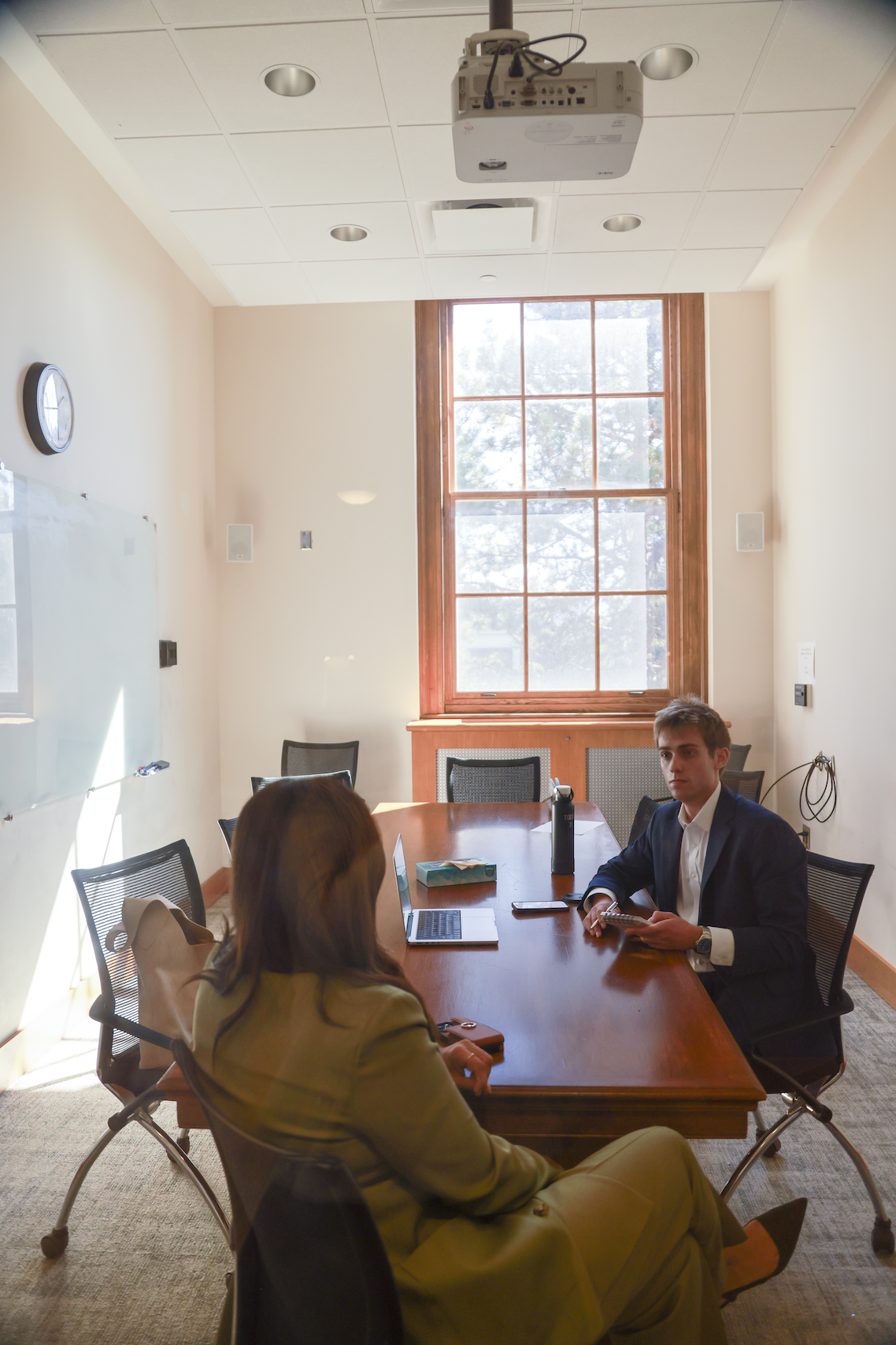
Many people predict the imminent death of journalism, but Nawaz believes that the field will instead evolve with changing times. “Literally every year in my career, someone's talking about the death of journalism,” she said. “And yet, there is more journalism and more news and information content making its way out to people on this planet than at any other time in our history of humankind.” Read More