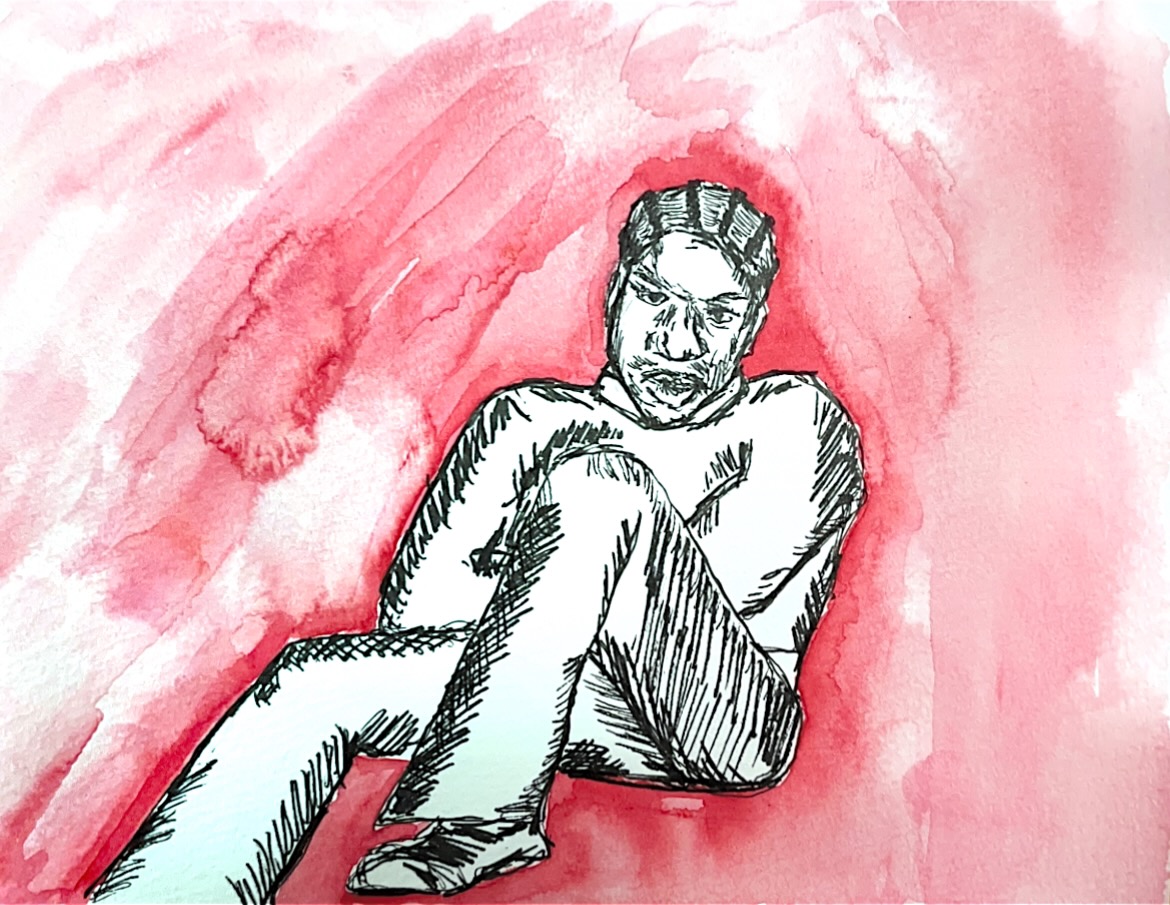
Toronto-born R&B singer Ashton Simmonds, professionally known as Daniel Caesar, released his fourth studio album “Son of Spergy” Oct. 24, 2025. The album’s title pays homage to his father, nicknamed “Spergy.” The mix of dialogue, soft music, heartfelt lyricism, and talent-packed production marks a turning point in Caesar’s musical career, especially as he reflects on mending familial relationships. He recalls this album being founded on the “reconciliation” between him and his father, who is a pastor and gospel singer. Some of the tracks notably have layered gospel vocals, serving to amplify the spirituality resonating through the music and reflecting in his life.
The album debuted as No. 4 on the Billboard 200 and ranks first on Billboard’s Top R&B Albums Chart, making this Caesar’s first No. 1 on Billboard. His last album “Never Enough,” which was released in 2023, landed No. 2 on the chart when it came out.
Painters use paint, weavers use thread, and singers use music to lay out their emotions, train of thought, and profound feelings that cannot be fully fleshed out merely with words. “Son of Spergy” is the story of both Daniel Caesar and Ashton Simmonds, and this is a story of family, love, and rumination. With his new album, he reaffirms his place as one of the most talented musical artists of this generation and reclaims his identity as the son of his father, Spergy.
The album has 12 tracks with musical features including Yebba, Blood Orange, Bon Iver, and his own father Norwill Simmonds. The first track “Rain Down,” featuring British artist Sampha, starts out with a gospel choir followed by Caesar’s strong vocals that eventually begin leading the choir. Audio recordings of his aunt are layered with choral singing and foot stomping, a feature of traditional gospel music. His first song gives us a gist on what to expect from this album. It is a sort of multi-layer approach, where it is not just Caesar’s vocals but audio snippets of women in his family and a choir. “That’s Spergy’s son,” one woman says with pride in her voice. It plays around with the concept of sound, layering different audios and sounds to create a unified melodic piece of music.
The idea of reconciliation and turning a new leaf is emphasized in the second track, “Have A Baby (With Me),” when he sings: “It’s too late for our dreams / We can make a new dream.” He says “Have a baby with me, before you leave.” It touches on the idea of starting a family and building something new to fix broken things from the past. It echoes the importance of leaving a legacy behind in the world. This ties to how Caesar himself is a legacy of his father’s. Connecting back to the first track, it reminds us again that he is the son of his father Spergy.
So far, the tracks have been brief and we focus more on the audio snippets rather than hearing Caesar’s voice.
This changes with the rest of the album, starting with the next track “Call On Me.” This song has a notable bass element giving it a slow rock feel, straying from the typical piano and acoustic nature of Caesar’s works.
The track “Baby Blue” is one of the longer songs on the album and features Caesar’s father. It is a slow melodic song, with hypnotizing rhythms speaking about love and synergy between people. He sings “The heavens above they suit you. I’m glad you preed my energy. It’s much like yours, be assured.” The slow tempo and drawn out lines harkens back to his earlier album “Freudian” with its layered vocals and introduction of warm percussion towards the middle of the track that almost wakes the listener up. The end of the song is a prayer by his father about the love of Jesus. He beckons the question “What good have I done to deserve His love.” While this verse sounds different from the rest of the song, this is what makes Caesar’s album special. He freely embeds aspects of his spirituality in his tracks. This feature especially speaks to the reconciliation between father and son, who are both singers, but in different musical scenes. This album merges Caesar’s R&B/neo-soul genre with Spergy’s Christian gospel.
Collaboration is an integral element to the album’s creation. Family and friends help in navigating new territories of life, just as family and friends helped in creating “Son of Spergy,” from the drawing boards to their voices supporting Caesar musically on the tracks. His close friend and fellow songwriter Mustafa, who released his album “Dunya” last fall, appears on tracks as background vocals and helped not only with lyricism and executively producing the album, but also as a friend, helping Caesar navigate creative and life challenges.
Tracks like “Root of Evil” feature vocals by Mustafa and Clairo while “Touching God” include work from Yebba and Blood Orange, as well as production by Rex Orange County. The song ends with a few notes on the sitar followed by slow but upbeat drumming. Through Caesar’s intimate lyricism on the latter half of the album, he sings to us his reflections on himself and on his flaws. He sings about succumbing to sins as mentioned in “Root of Evil,” his gratefulness for past relationships as in “Emily’s Song,” interpreting signs from God whether it be for telling a girl he loves her or for saving his friend in a car crash as in “Sign Of The Times.” He continues singing about choosing the people to be with in the future in “Who Knows” and on violence and love in his track “Moon.” In “Moon,” Caesar sings, “Who’s gonna be my Jesus? Who will advocate?” The song is studded with references to the New Testament, about the emotional and physical consequences of violence, and the inner struggle in finding guidance and peace. “Why are you a weapon formed up against me? Is this what you call love?” The deeper questions he asks in this song echo Caesar’s own search for faith and understanding.
Throughout “Son of Spergy,” Caesar shares his vulnerability to listeners by personal reflection and the intersections between spirituality and his life. In “Touching God,” he talks to God about his own struggles. He says, “I know You made me but I hate myself / And I know, when I know that it’s buried somewhere else.” “No More Loving (On Women I Don’t Love),” featuring vocals by his brother 646yf4t, brings back the gospel nature of the earlier songs of the album. He sings about letting go of past relationships and improving himself spiritually as well. The music accompanied with the lyrics reflect the difficulty in this process. Reclaiming oneself and reconnecting to your spirituality is a difficult trek which can take years. This is emphasized by the slow and calming sway of the music, making it sound like he is still on this journey.
The album ends with “Sins of Father” featuring the folk band Bon Iver. Caesar sings “I’ve got all this hate in my heart / But I got no place to put it / Tried to leave it behind but I couldn’t.” This song is a final ode to his past relationship with his father and how he forgives him. At the end of the song, it is just Daniel Caesar over a piano. He sings about what he deems “sins of the father,” tying in not only religious sentiment, but also his own father’s forgetfulness and promises unkept. One of the last lines of the song and of the album is “Turn around. Oh, child of mine”. The word “child” can mean two things in this song, a child of God, speaking to the spiritual implications of the song, as well as a child of his father, which aligns with Caesar’s healing relationship with his family.
In “Son of Spergy,” Daniel Caesar creates songs that sound heavenly, a product of the collaboration with family and friends and being his authentic self. Just as important is how his lyricism evokes reflection for our own relationships. Upon taking the time to read the lyrics, you begin to think about the people in your own life and what your purpose is beyond living, even in a spiritual way.