Saving money is no easy task for the newly self-operational UR Dining Services — especially when trying to fill the non-slip shoes of a company famous for its lax policies regarding labor, health, and safety.
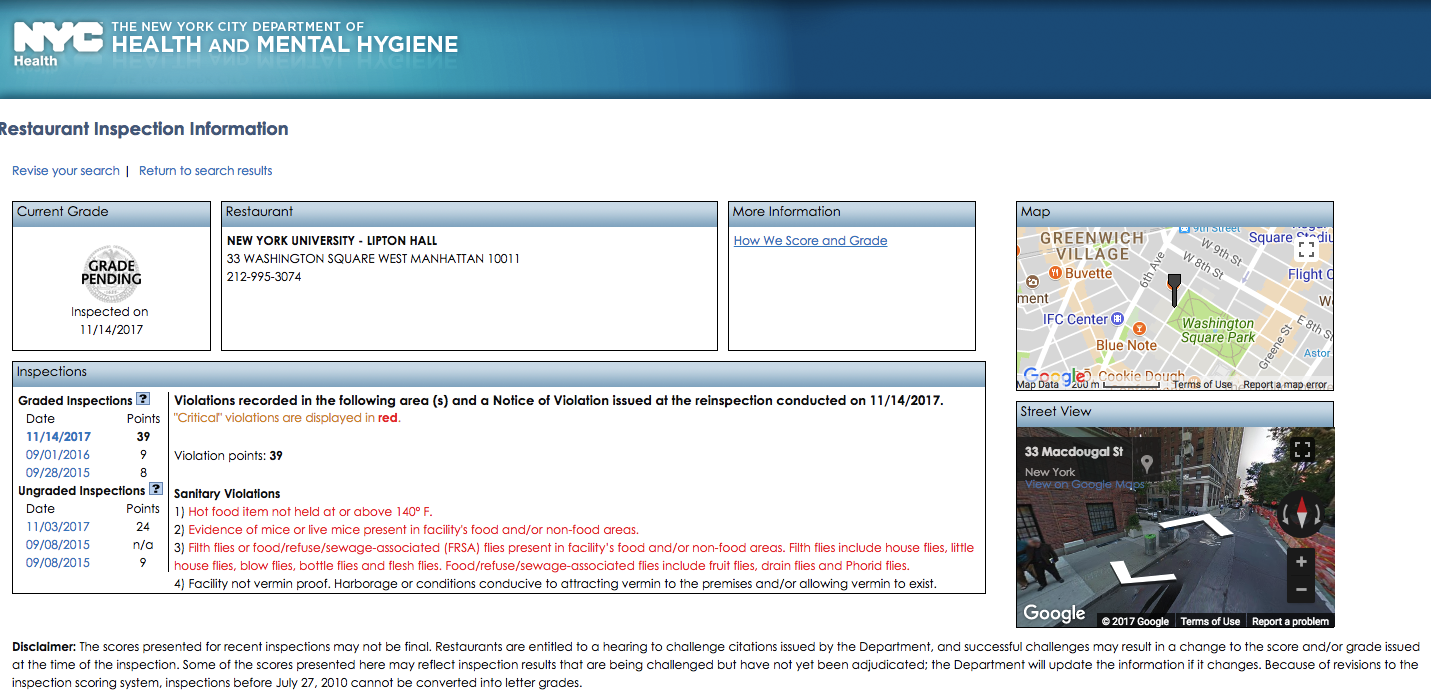
The University ended a 27-year-long partnership with dining vendor Aramark July 1, whose subsidiary, Harvest Table, had been managing UR dining operations since 2018. However, UR isn’t the only institution for which Aramark has provided substandard dining solutions. In one Indiana facility, Aramark served inmates undersized lunches which resulted in significant weight loss for many prisoners. In 2017, an Aramark-run dining hall at NYU failed a health inspection after rat droppings were found in one campus dining hall. Purportedly, Pixar’s “Ratatouille” was based on a series of events that occurred under the supervision of Aramark’s regional headquarters in Paris, France.
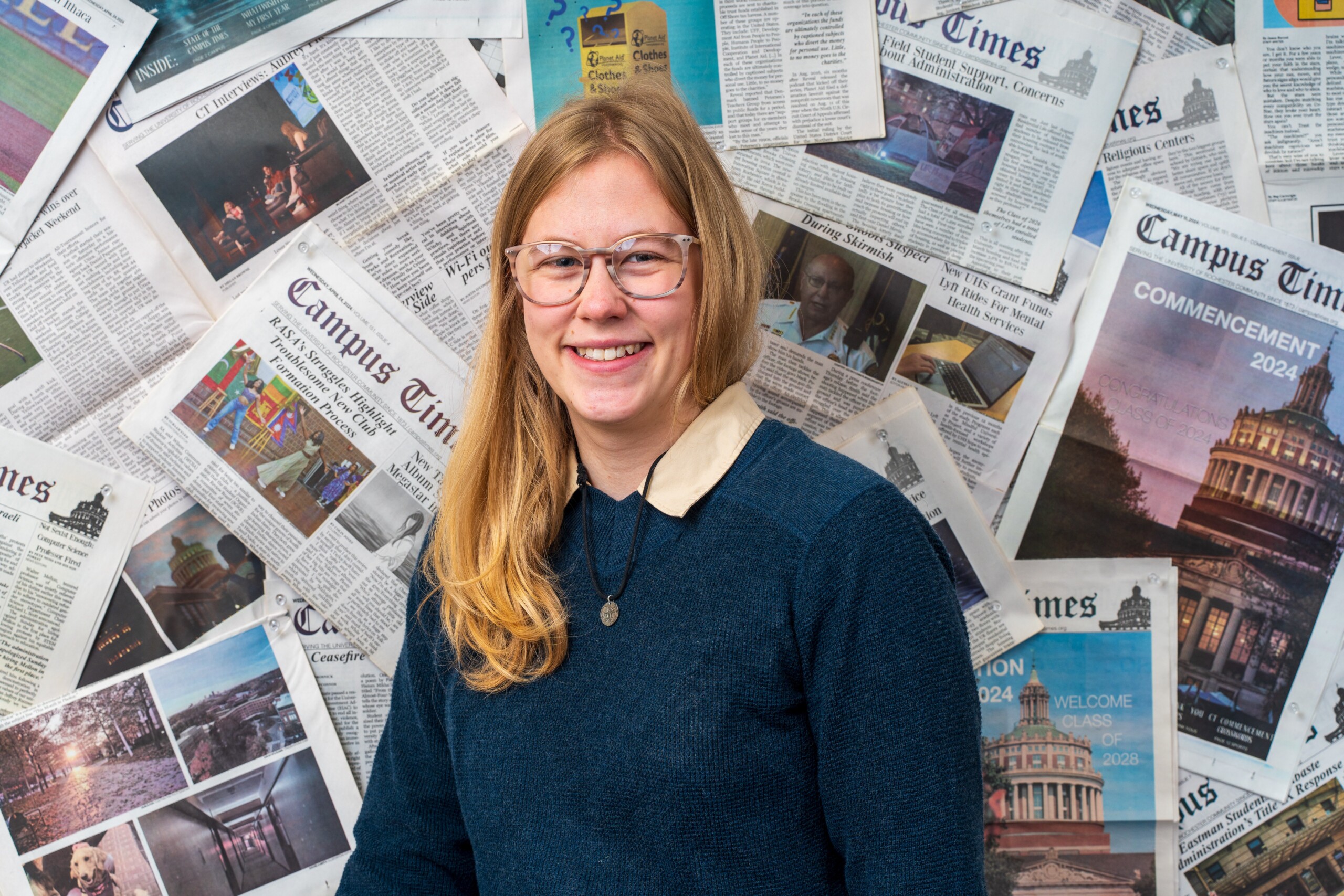
But according to University dining correspondent Bess Cargo, the transition to in-house dining services was more nuanced than students might expect.
“You know, the whole ‘prison labor’ thing wasn’t the dealbreaker for us,” Cargo told the CT in an interview Wednesday, referencing the company’s history with underpaying many incarcerated workers and coercing others to work for free. “The problem was that those pompous prisoners cost as much as 14 cents an hour, and that’s just more than we can afford right now.”
When asked about UR Dining’s new cost-reduction strategy, Cargo explained in great detail:
“First off, we hope to eliminate all cashier positions by the end of Spring 2026.”
Through programs such as the Rocky’s Sub Shop Kiosk and the upcoming Hillside Advanced Liaison (HAL), students will no longer have to waste time interfacing with human cashiers.
“We know that, at an institution like UR, studies come first,” Cargo said. “Students can now choose to let HAL handle the whole shopping process. After a quick biometric screening, HAL will calculate a bespoke balanced meal for each student.”
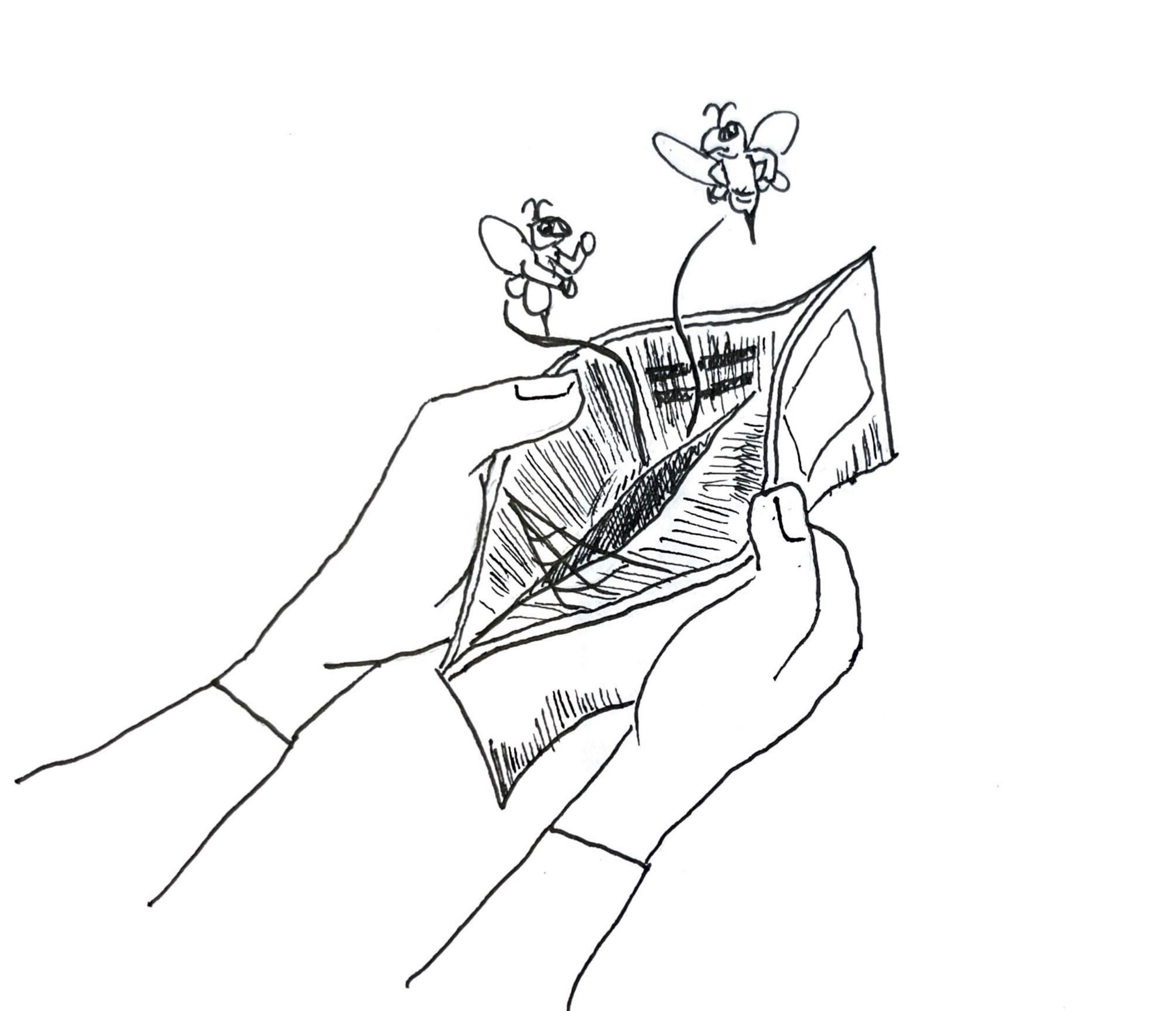
According to Cargo, similar systems will soon be rolled out in the Douglass and Danforth dining halls — as soon as they can address the bug that causes the system to, on occasion, deliver a paper bag filled with live spiders.
Another Aramark moneysink that Cargo would like to forgo is quality control.
“A few years ago, Hillside had a problem where, within hours of product delivery, fresh fruits in the refrigerated section would quickly develop mold colonies,” Cargo explained. “If we’re going to have mold either way, we can probably save some money by just cutting our produce-screening budget entirely.”
Cargo concluded the interview by sharing what she loves about her job.
“To me, it’s all about seeing the students’ faces as they share a meal with their friends. You don’t get that at [other universities]. When everyone is so caught up in food ‘quality’ and ‘health code violations’ we lose sight of what’s really important.” Cargo continued, “By saving just $100,000 a year in dining costs, we can send that money where it really matters.”
When pressed, Cargo was hesitant to elaborate where the money might be better spent.
“Student programs?” CT suggested. “Funding for labs who’ve lost grant funding? Repairing aging dorms? Allowing small departments to fill vacant faculty positions?” Cargo did not appear to be satisfied with any of these answers.
Instead, Cargo quickly retrieved a phone from her pocket, suggesting that she was getting an important call (even though her lockscreen — an image of cartoon crustacean Mr. Eugene H. Krabs — was clearly blank). She mumbled something like “I need to talk to someone,” and “Funding is really very tight right now.” As Cargo walked away, I heard her dictate something into a notes app: “Look into on-campus prison labor question mark?” She pondered for a second, then continued. “Force students on academic probation to work for free?”