In the few weeks since I’ve moved on campus, I’ve grown to dread the dining halls. Breakfast is alright as long as you get in before 9:00 a.m.; lunch can be problematic, especially if you’re on a time constraint; and dinner is a free-for-all. This problem isn’t isolated to any one dining hall either. I’ve waited 15 minutes for a bean burger at DFO, 20 for an omelet at Dougie, and 30 for a sub at Rocky’s. As a first-year, I’ve got no comparison for what the dining situation was like in past years, but clearly something isn’t right.
On Friday, the University released a statement on the current dining situation, and it was… underwhelming. We were told that due to staffing shortages, many dining locations have reduced hours further in order to consolidate resources. Furthermore, Peet’s, Hillside, and Roots & Shoots will all be closed until further notice. And I, for one, am scared.
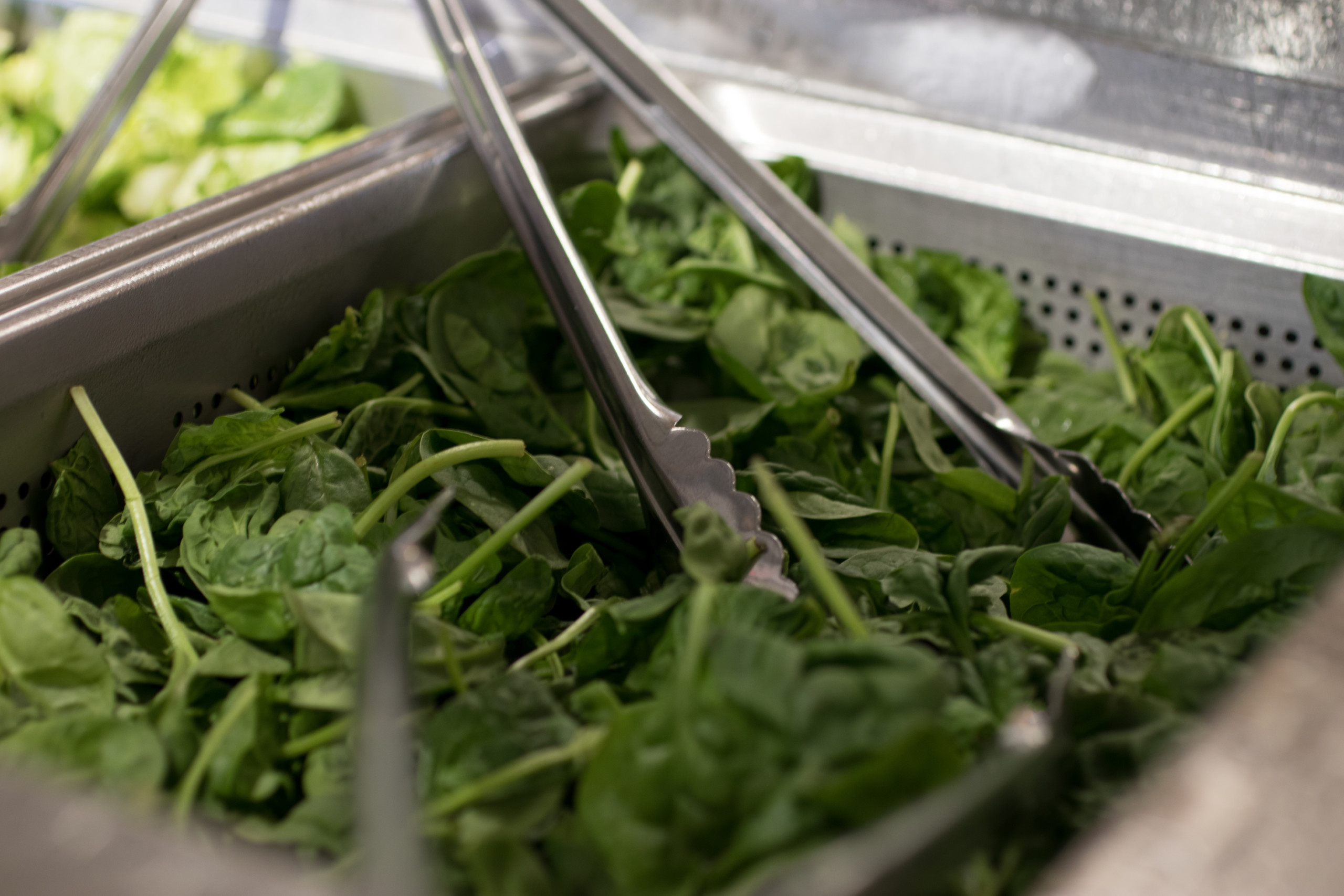
I’ve been a vegetarian since seventh grade, and I’ve managed to stick to it fairly consistently for these past six years. With the state of dining at UR, I’m closer than I’ve ever been to just giving in. I’m sure any other people with dietary restrictions will agree that these recent “consolidations” have impacted us the most. Take Danforth, for example: My favorite station used to be the Burger Joint — I mean, those beet and bean burgers? Fantastic — but recently, they’ve been struggling to keep up with demand. Most days, there’s only one choice, the DFO Burger, which isn’t vegan, vegetarian, or even gluten free.
And this isn’t limited to Danforth; my friend sent me a picture last week of Douggie’s menu entry for ginger soy tofu. On its ingredients list? Anchovy sauce. Worse yet, with the lack of food options in general, students are looking to get a filling meal any way they can. When the line for a hotdog is 15 minutes long, many students turn to other, faster, stations, such as the Kosher Deli, or Free. I visited the kosher sandwich station at 8 p.m. one night to find they were out of almost every ingredient. If I were someone who kept kosher, I’m not sure what I would have done.
You can easily compare the students and our food halls to an ecosystem. When an upset occurs that makes food scarce, animals who have restricted diets are forced to compete for resources with those that don’t. Currently, no UR students are facing extinction because of the dining situation, but shouldn’t all students know that they’ll be able to find something to eat a few times a day?
I don’t know if there’s a right solution. The most obvious would be to pay the meal hall workers more to ease the staffing shortage; surely a 15 percent increase in class size opens up some extra funds for dining. Or perhaps UR should give all students some amount of credit in a service like DoorDash or UberEats, outsourcing our dining problem to the city.
Or, instead, we should all start growing vegetables in our dorms and raise livestock on the quads. If the problem doesn’t get sorted out in a few months, at least we can enjoy fresh veggies and goat cheese together.