When the judge read Derek Chauvin’s third guilty verdict, I honestly started to cry. I was so relieved that finally — finally — a police officer had been held accountable for murder. But even as I celebrated this small victory of justice for George Floyd, my mind couldn’t help but drift to Daniel Prude, the Black man killed by Rochester police in March 2020.
The tragedies of George Floyd and Daniel Prude are eerily similar. Both Black men who were handcuffed, pinned to the ground, and then suffocated. Both deaths were ruled homicides by medical examiners. So why did a New York grand jury decline to indict the officers involved in Prude’s death, while Chauvin was found guilty on all counts in Minnesota only months later?
One could argue that Prude was even more vulnerable than Floyd. Prude was in the midst of a mental health crisis — a fact emergency services were made aware of when they got the call. Prude was naked, wandering the streets at night, in the middle of a cold Rochester March. When the police arrived, they not only handcuffed him, but placed a spit hood over his head, which just frightened him more.
Perhaps the reason that Floyd got justice and Prude didn’t is there were no bystanders to witness and film Prude’s death.
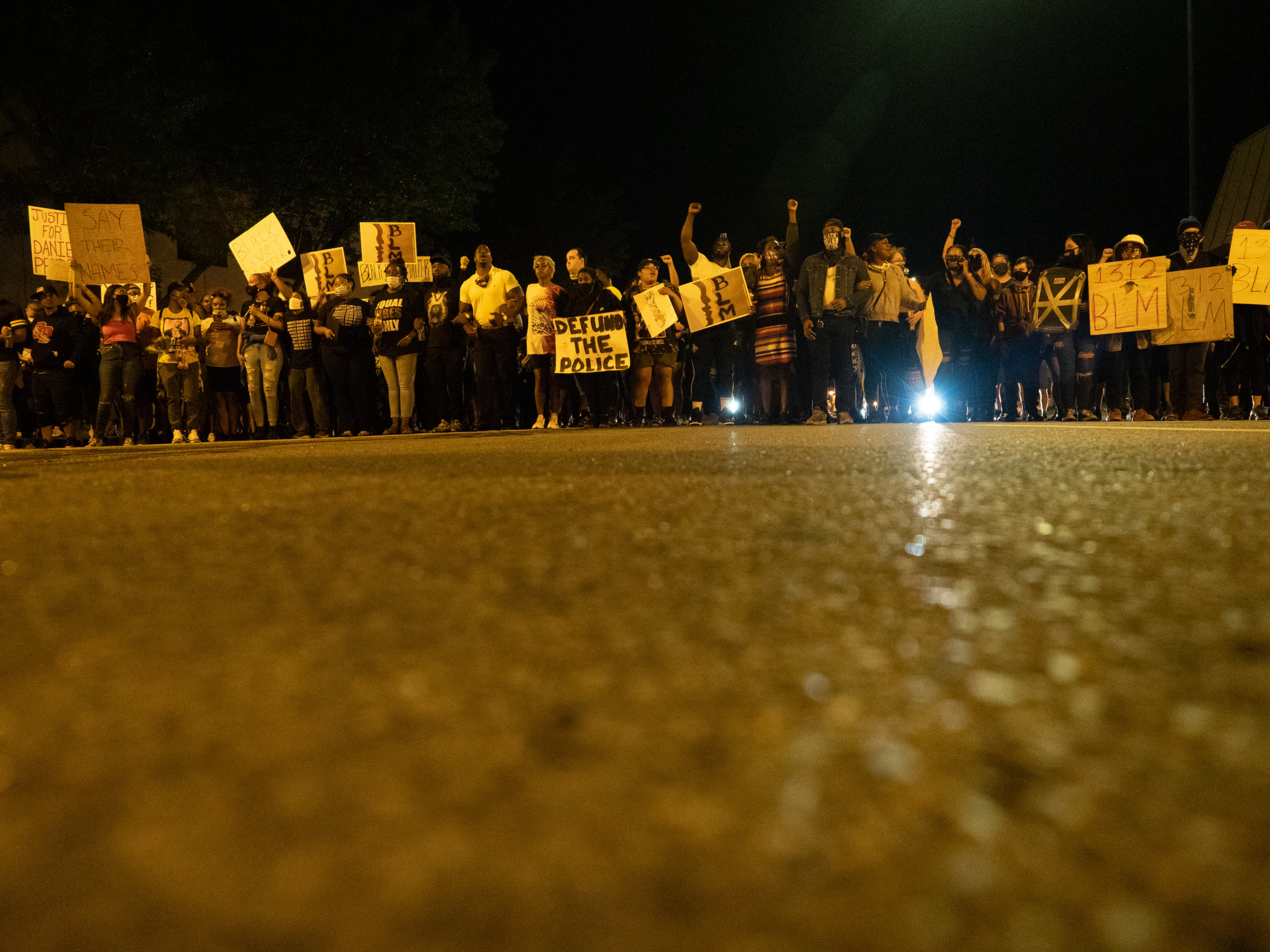
The footage of Floyd’s death was recorded and immediately released by bystander Darnella Frazier. The only footage that exists of Prude’s death, on the other hand, was caught on police body cam and withheld from the public until September 2020. It’s easy to forget that Prude died two months before Floyd. If the footage of Prude’s death had been released when it happened, Daniel Prude’s name could easily have become a rallying cry like George Floyd’s. If the footage wasn’t hidden from us, Prude’s death could have triggered the worldwide protests that followed Floyd’s. Daniel Prude’s story simply wasn’t the media sensation that George Floyd’s was.
What caused the trial in which Derek Chauvin was convicted wasn’t just the indefensibility and egregiousness of his actions. Plenty of cops have walked away from disgusting displays of violence with zero consequences. The deafening national and international outcry sparked by Frazier’s recording was crucial.
Even though a grand jury voted not to indict them, the officers involved in Prude’s death can still face disciplinary action. At the very least, they should. If we shout about it like we shouted about George Floyd, we can make it happen.
Chauvin’s conviction doesn’t prove that the system is just or fixed. It proves that public opinion and outrage are incredibly powerful. It proves that sometimes the public — ordinary, angry, grieving people — are what make justice happen.