This pandemic was the first time in my life that I turned on news alerts on my phone. I’ve never wanted real-time updates on the latest thing Trump tweeted or if North Korea is thinking about hitting the red missile launch button. I’d rather get my news once a day with a cup of coffee to wash it down.
Alas, COVID-19 changed this. As we went deeper into the pandemic, I became obsessed with tracking the number of cases in my area, and checking the Worldometer statistics. I needed to know what was going on. How fast was the virus spreading and what “wave” are we in? So, naturally, I turned on coronavirus news alerts. And they’re still on. I think that even the most trivial update on a possible vaccine or cure is a much-needed glimmer of hope.
So, here’s what I’ve gathered on how this pandemic could possibly end:
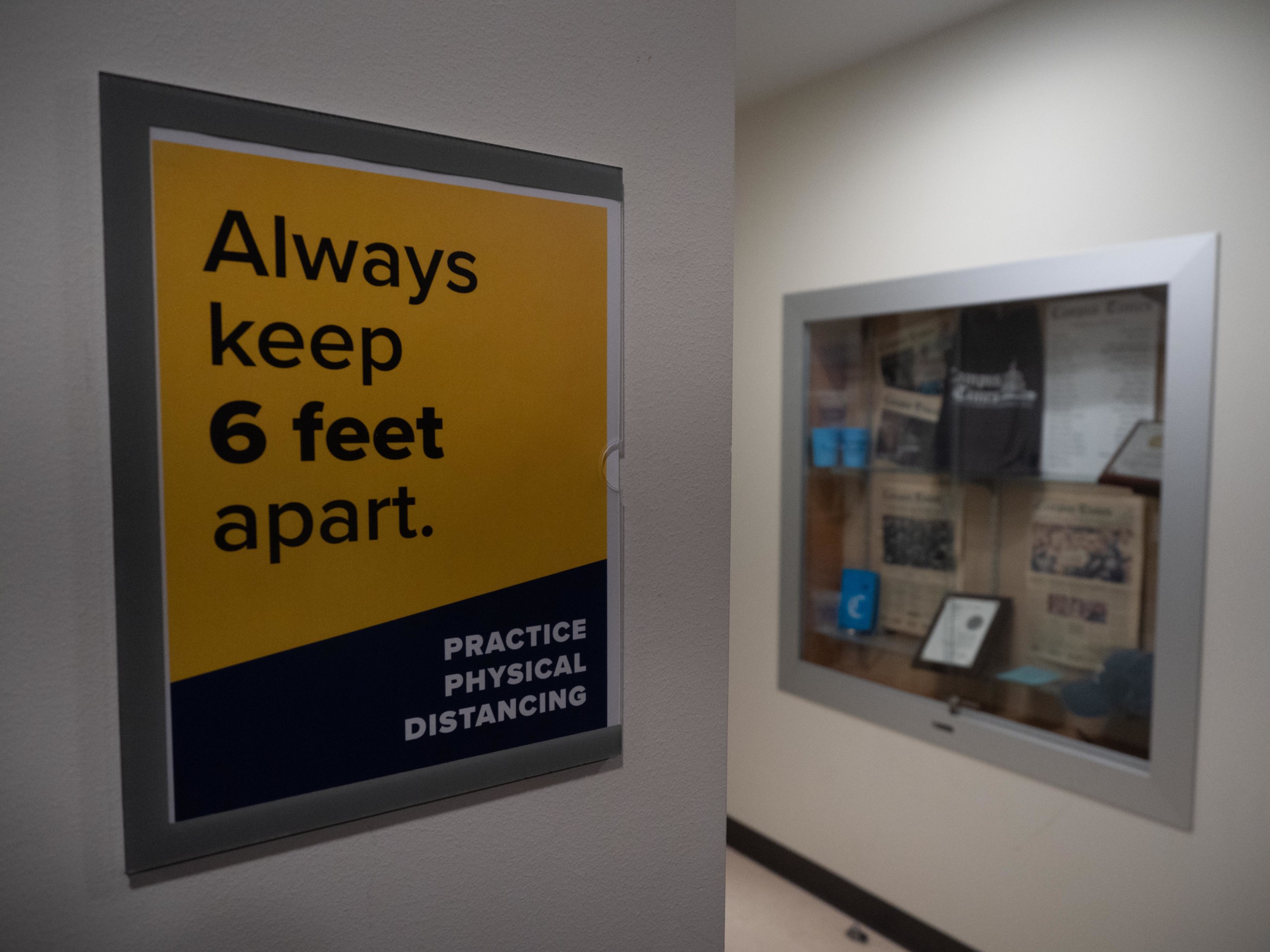
We social distance it out
New Zealand was the first country to boast zero coronavirus cases identified, a feat achieved entirely because of masks and proper social distancing. Granted, they do have more sheep than people, but this does make you believe in the power of social distancing, right?
Take for instance, our very own Flower City, also known as Rochester. Despite the recent influx of students from all over the world, the numbers are still under control because of strict social distancing measures. Even if you still can’t have visitors in your dorm and you have to wear a mask every time you step outside, at least the numbers aren’t going up.
Social distancing with masks is a tried and true method, which works most effectively in small communities with low population densities. It’s definitely a way the pandemic could end in an ideal world. But for highly-populated communities like Brazil or India, there’s no realistic way these measures would be nearly as effective. So, what’s the solution here?
The vaccine
According to my news alerts, we seem to be doing pretty well on this front. For those who need a refresher on this absolutely amazing piece of biotechnological advancement: A vaccine is a substance that contains a dead or weakened virus. Once injected, this harmless virus helps our body’s immune system recognize and destroy the living virus during a future infection.
Once we have a vaccine for COVID-19 and a majority of the population receives it, there’s a high chance that we can venture out in a mask-free world. Russia and China have already started vaccinating their populations, albeit with rushed home-grown vaccines that the U.S. has been skeptical of.
Needless to say, I felt a pang of jealousy when that news alert came up, as I was still stuck throwing myself Netflix parties as a sad substitute for going to the movies. Nevertheless, this sure was a ray of hope, even if the vaccines allegedly haven’t been tested enough.
On the home front, though, pharmaceutical giants are wrestling their way through trials to get a vaccine out as soon as possible. The United States government has ordered about 800 million doses of vaccines for a population bordering 350 million.
The World Health Organization’s website says that there’s no approved cure or vaccine yet. I, for one, am cautiously optimistic in hoping this statement changes by the end of 2020. We certainly have a long way to go in terms of production and distribution even after the vaccine arrives, but a girl can dream, right?
So until we have this miracle and are freed from the clutches of the Corona Monster, hang tight. Wear your masks with pride and social distance like never before. After all we’ve been through, what is a few more months of cautious living? Here’s to hoping for at least a few mask-free months by the middle of 2021 and going back to the old normal that we all miss so much.