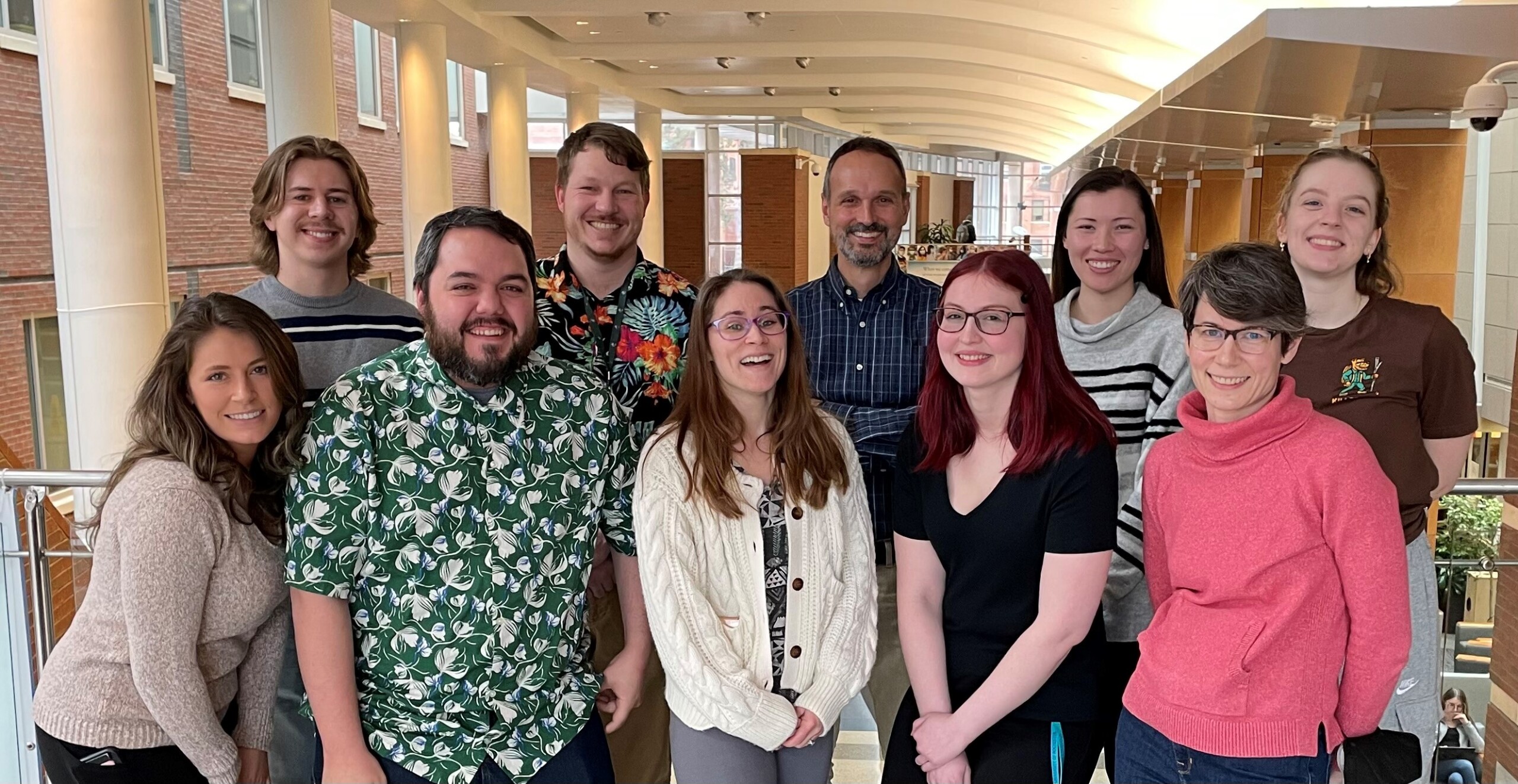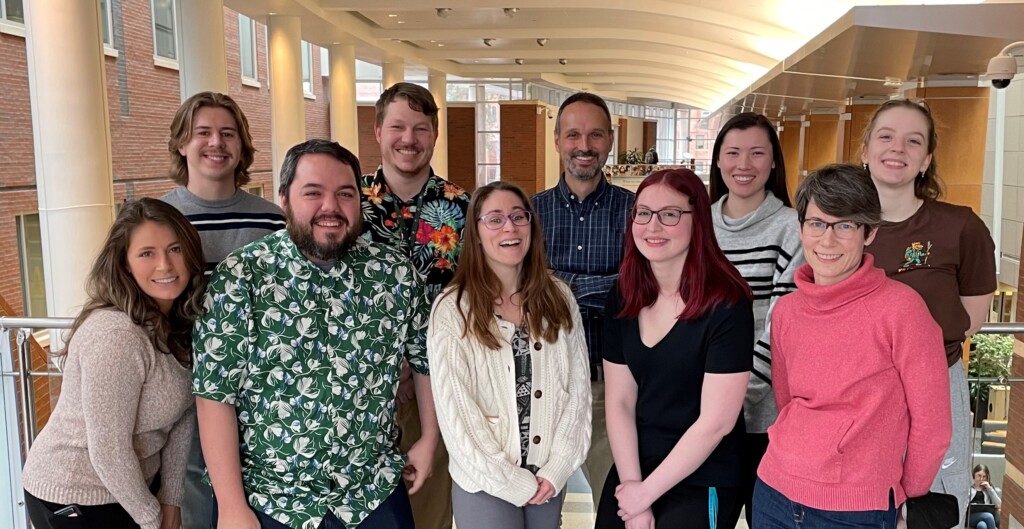
The Munger Lab at the University of Rochester’s Medical Center has been researching the molecular relationships and potential therapies that can help answer questions about Human cytomegalovirus (HCMV), a disease which can cause birth defects.
HCMV is a strand of herpes that may lead to a congenital viral infection. In fact, 1% of live births with symptomatic HCMV lead to central nervous system damage. Immunosuppressed individuals (cancer patients, transplant recipients, AIDS patients, etc.) are especially vulnerable to the virus, which can be fatal to those with weakened immune systems.
The Munger Lab has been busy figuring out how to combat HCMV to prevent infection, which is clear considering the approximately 60 studies they’ve published since they were founded in 2008. The Munger Lab is currently made up of two research staff members and five graduate students.
Joshua Munger, who has a Ph.D. in virology, founded the Munger Lab to study the molecular virus–host interactions that lead to the viral replication that causes HCMV as well as the cells that attempt to fight off viral infections. Munger is the lab’s Principal Investigator, overseeing and directing all of the activities that the researchers are involved in, such as discussing and analyzing results, working through issues, and helping plan upcoming experiments.
On top of his role as a researcher, Munger is also a professor in both the Department of Biochemistry and Biophysics and the Department of Microbiology and Immunology at the University.
The Munger Lab has two main goals: designing and executing experiments, and training graduate students and post-doctoral researchers. Through these goals, the lab aims to not only better our understanding of these dangerous viruses but also produce independent scientists who are able to conduct research on their own.
Lucas Simpson, a student in the Biochemistry and Molecular Biology Ph.D. Program at UR, joined the Munger Lab during the COVID-19 pandemic — a time when discussions surrounding viruses were particularly common in academic and public spheres.
HCMV is “a virus that’s still not well understood and has very limited treatment options,” said Simpson. “The complexity of viruses forces you to study them from many angles, including cellular biology, biochemistry, and beyond.”
Advancements in our understanding of HCMV might open the door to improvements within other therapies to limit the virus’s impact on vulnerable populations.
“Understanding the molecular mechanisms of viral infection is critical for the development of potential therapeutics to treat viral diseases,” Munger said. Comprehending how HCMV preys upon the human body’s systems will help us learn how viruses in general impact and interact with pathological processes, such as cancer, diabetes, and autoimmune diseases.