Who we are as people is influenced by everything around us, including people, events, culture, norms, and society. When I think about my own culture, I think of my ethnic roots along with the environments of my upbringing such as exposure to social groups, religion, and even language.
When it comes to what shaped me into who I am today, one of the first things that comes to mind are my experiences as a child of immigrant parents. I grew up in a small town in New England, and my family was one of just a handful of people of color in the area.
Generally speaking, Western cultures are more individualistic when compared to other cultures worldwide. I remember feeling overwhelmed by trying to balance my South Asian culture and the white-dominant Western culture of my hometown. Between speaking Hindi at home and English everywhere else, as well as some of my other traits — such as the way I look, the foods I ate or didn’t eat — that seemed to stick out like a sore thumb in comparison to my peers; I felt simultaneously out of place with my peers in the US and disconnected from my family back in India. I said some words differently than my peers in the US because I grew up pronouncing things in British English — the type of English my parents learned before immigrating. I ate Indian food at meals, something my American peers did not do.
In some ways, being different made me a target. I never felt fully Indian but I didn’t ever feel truly American either, leaving me suspended in a weird balancing act.
This struggle is usually brushed aside. Cultural norms and holidays such as Halloween or Christmas are great at uniting people. But, for people who don’t have any connection to these norms, there is no unifying feeling.
Recurring cultural disconnect can lead to feeling like they aren’t enough, or that they truly have no place within a culture. Studies show that instances of relocation into a completely new culture “diminished a sense of connectedness,” caused changes in behavioral patterns as well as shifts in values and priorities. It is no surprise that feelings of isolation and removal can strongly impact both mental and physical health. However, there is a fine line between having a sense of belonging to a culture while expanding horizons and being so far removed from your culture that feelings of isolation begin to emerge.
It is so incredibly important to feel a sense of community. Feelings of connectedness and belonging, whether that be to a social or ethnocultural group, are associated with increased regulation of negative emotions, leading to fewer symptoms of anxiety and depression.
I used to hate feeling like I did not belong to a certain culture, and sometimes I still find myself dwelling on what it would be like if I was just a little more Indian, or just a bit more American. With time, patience, effort, and a little bit of luck, I have been able to find my communities: people who make me feel welcome and safe to be who I truly am, but also who constantly expose me to something different than what I am used to.
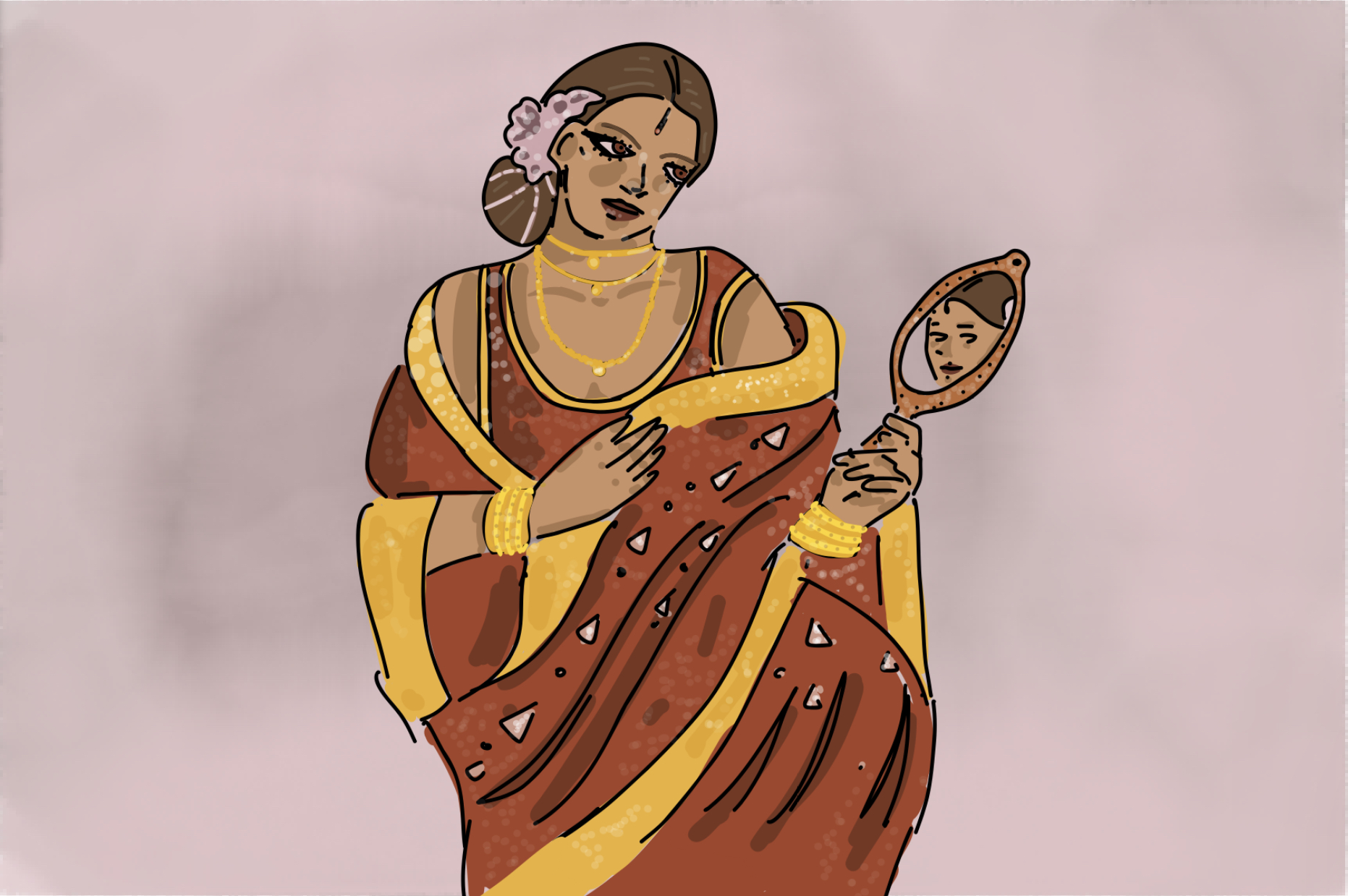
Like many people who are surrounded by unfamiliar cultures, there is bound to be a mix of connect and disconnect, like a tug-of-war. This sort of disconnect is uncomfortable, like being behind a glass wall, being able to see in but not being able to truly grasp what is going on.
But along with that disconnect, I also usually end up learning something new. Whether that is a custom of a culture similar to mine or values that a community holds that don’t resonate with me, I’d like to think that I walk out of every uncomfortable situation having learned something. Although a constant feeling of connectedness is comfortable, it is always important to remember that if you exist in an echo chamber of your own ideas, there is never any room for growth.