Breaking news: UR students are often bothered by things that go on at this University. Shocking, right? Well, a new survey created by the SA’s Campus Life Committee may be a route to remedy.
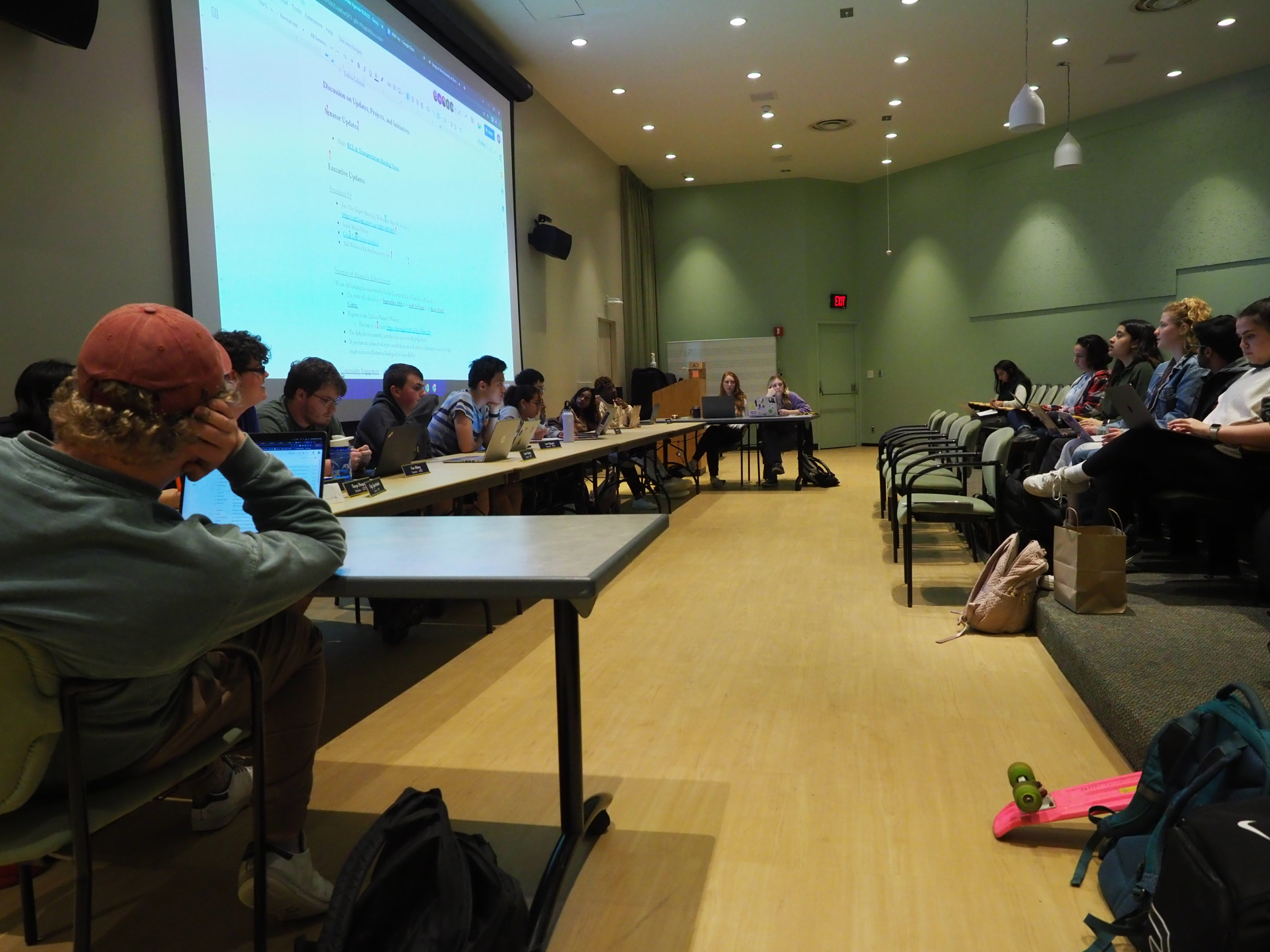
At the SA Senate’s Monday meeting, senior and Campus Life Committee Co-Chair Alex Fegler announced a “Campus Life Pain Points Survey” intended to give students a direct line of communication with the SA about any frustrations they face on campus.
“We’re just trying to get quick feedback from students on what issues are most pressing to them,” said Fegler. “The hope is to use this to guide Campus Life for the rest of the year so that we’re really focusing our efforts on things that the students want us to focus on and not necessarily what we personally want to focus on.”
There is no email requirement to submit the form, so it can be completed anonymously. Fegler said it would be sent out to all students last week via email and through QR codes posted around Wilson Commons, Rush Rhees Library, and residential buildings on campus, though this promotion is yet to be started.
The survey does not just presume doom and gloom; it also includes a section for students to highlight what they enjoy most about campus life. However, unlike the text box asking for frustrations, this response field is not marked as required.