Author’s Note: There’s no shame in thinking maybe you could use psychological help, and then being wrong. The only shame lies in lying to get resources you know you don’t need. All of the resources mentioned in this article, as well as UCC, UHS, and anything else you can imagine, are there for you regardless of how certain you are or how “serious” your illness is.
Waiting for someone to help me is one of my top regrets in my life so far. But sitting around hoping somebody will point at you and go, “Hey, you look sad,” is admittedly the path of least resistance. Self-advocacy, whether at the University or anywhere else in the world, is impossibly humiliating.
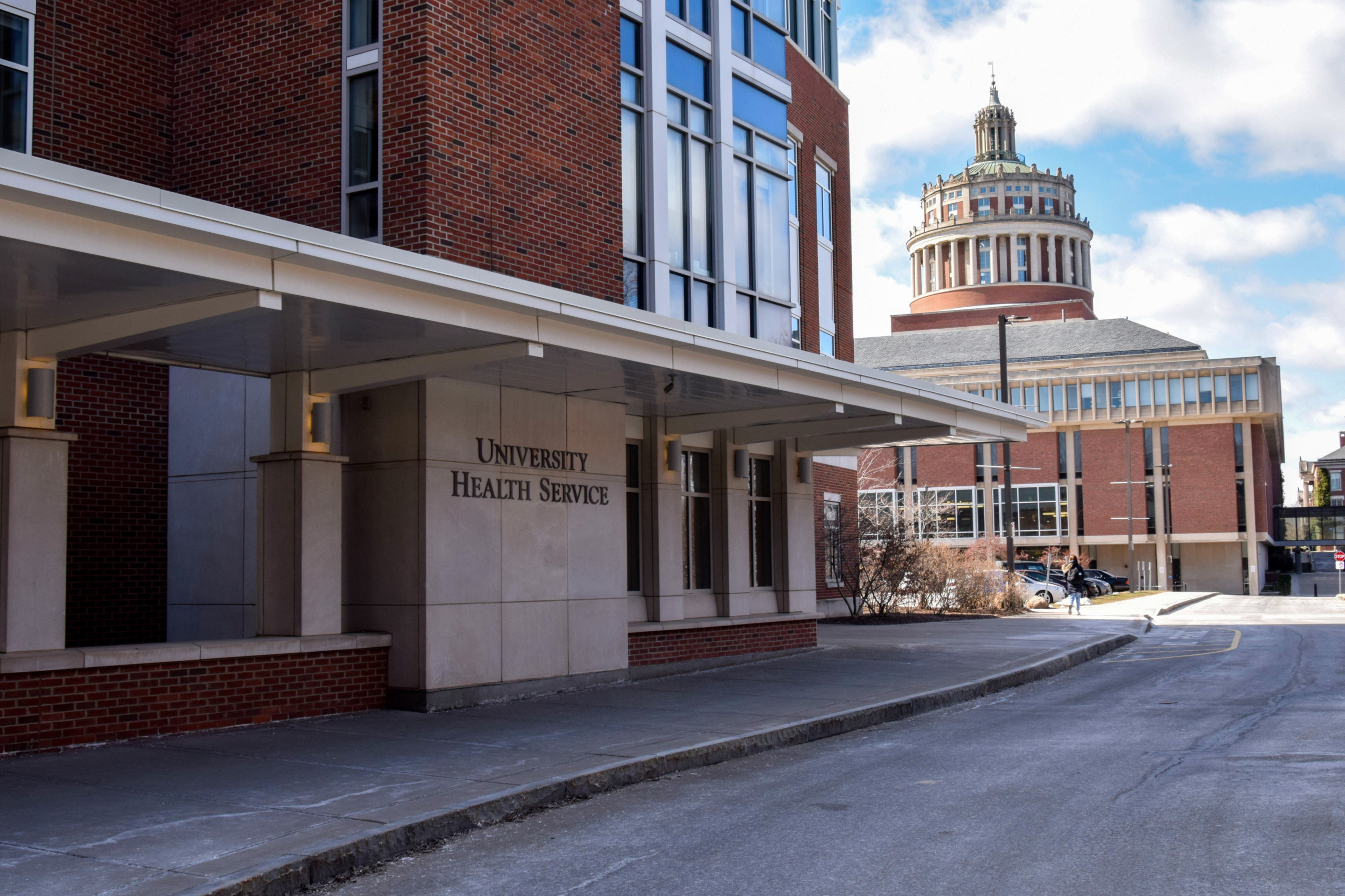
It’s not that there aren’t resources available. We’re hopefully all aware of the presence of the CARE Network as a resource both to get help for a friend and to get help for yourself. If you even think for a second you might need to get in contact with a professional, don’t hesitate to file a report for yourself.
Additionally, if you’d like to apply for accommodations, you can do so via the forms for academic accommodations and residential accommodations.
For me, searching for mental health resources, I was surprised by how accommodating the University was. It’s not that I knew much about their mental health policy beforehand or that I had UR-specific preconceptions. I just knew and had prepared myself for the fact that mental health resources — like any other resource — are apportioned based on privilege, luck, and how much a particular person likes you on that particular day.
Yet the deeper I got into my search, the angrier I became that the boundaries that do exist are there to stop healthy students from taking advantage of something they don’t need. This happens enough to warrant policies being made about it. Which, unfortunately, makes people who actually do need these resources look that much more like a hyper-privileged neurotypical taking advantage of something they don’t need.
So many times I’ve heard people on this campus pause their Clinical Psych homework to consider applying for a resource they don’t need just to enjoy its benefits, right before scoffing at their potentially-struggling peers for being behind in class. I remember introducing my emotional support animal to some students in an elevator after her walk, only for them to wonder aloud whether they could sneak a cat into their dorm without anyone noticing.
These same students who abuse mental health resources and mock their mentally-ill peers, by the way, will soon take to Instagram to bitch about how they’re going to “absolutely fail this class” because they got a C on a quiz. That must be hard.
But beyond the fact that academia is filled with awful people who will do anything to benefit themselves, damn the consequences to others, there are people who mental health resources can benefit immensely. Extra time on a test can level the playing field for students who suffer from panic attacks. Guaranteed singles can make depressive episodes less humiliating. There are a million reasons that these resources are necessary, and again, if you have any doubts as to your mental wellbeing, I encourage you to seek them out.
And yes, I’m also frustrated with the fact that the response to the abuse of resources by those who don’t need them is usually further restrictions and hoops to jump through. Yes, I think it’s dumb that our society is more concerned with stopping people from doing things they shouldn’t than with getting people things they absolutely need. Yes, it sucks massively that getting accommodations means getting diagnosed, having multiple conversations with medical professionals, and providing however much documentation to the school — all of which takes time and money that so many people don’t have. I don’t have answers for those things. I don’t know how to fix this system.
I also don’t know how to stop people from abusing resources that aren’t for them, except for hoping that explaining why it’s wrong from a million different angles will somehow get through to them. What I know is how it feels to watch people casually joke about lying to get resources you expended all your energy to earn.