As someone who started living in the United States only two years ago, I wasn’t really aware that anti-Black racism was still so rampant. Living halfway across the world for the better part of my life, the image of the States I got was that of a country that elected a Black man as President for two terms in a row, and set the stage for the success of stars like Beyoncé and Drake.

I suppose living on a very liberal university campus plays a part here. Having never personally seen discrimination against the Black students around me, I never even considered that this disease which seemed so far in the past was still very prevalent.
I quickly realized my misunderstanding when the inhumane death of George Floyd made headlines in May.
I couldn’t even watch half of that eight-minute video that was making the rounds on the news and social media. At first, I was shocked — how was it possible that the same country that worships Black figures like Beyoncé could cause the brutal death of George Floyd? Maybe, America wasn’t actually the country I thought it was.
To get to the bottom of things, I Googled my way through America’s racist underbelly. Turns out not everyone here lives in the 21st century! Quite a few people still believe that the color of a person’s skin has something to do with how they should be treated.
Upon looking at different trends like unemployment, wage gaps, and upward income mobility, it’s obvious that diversity and inclusion aren’t the tagline of 21st century America. Some of the most interesting data I saw was about the difference between college attainment of Black and white Americans. Though there’s an upward trend in the number of Black people obtaining college degrees overall, the difference in the number of white people and Black people earning degrees is startling. For the education hub of the world, this stark gap between two classes of its very own citizens doesn’t look good at all.
My intense Google search was in the distant past when I heard of Daniel Prude’s death in Rochester. That’s as close to home as it gets.
Here I am, living in a liberal, protected environment, while only blocks away from this campus utopia, an innocent Black man was murdered by law enforcement. What was even more upsetting was that we only learned of this murder months after the fact, and that police tried to cover up his death as a drug overdose.
Earlier this year, Will Smith said, “Racism is not getting worse, it’s getting filmed.” I, for one, think that’s a good thing.
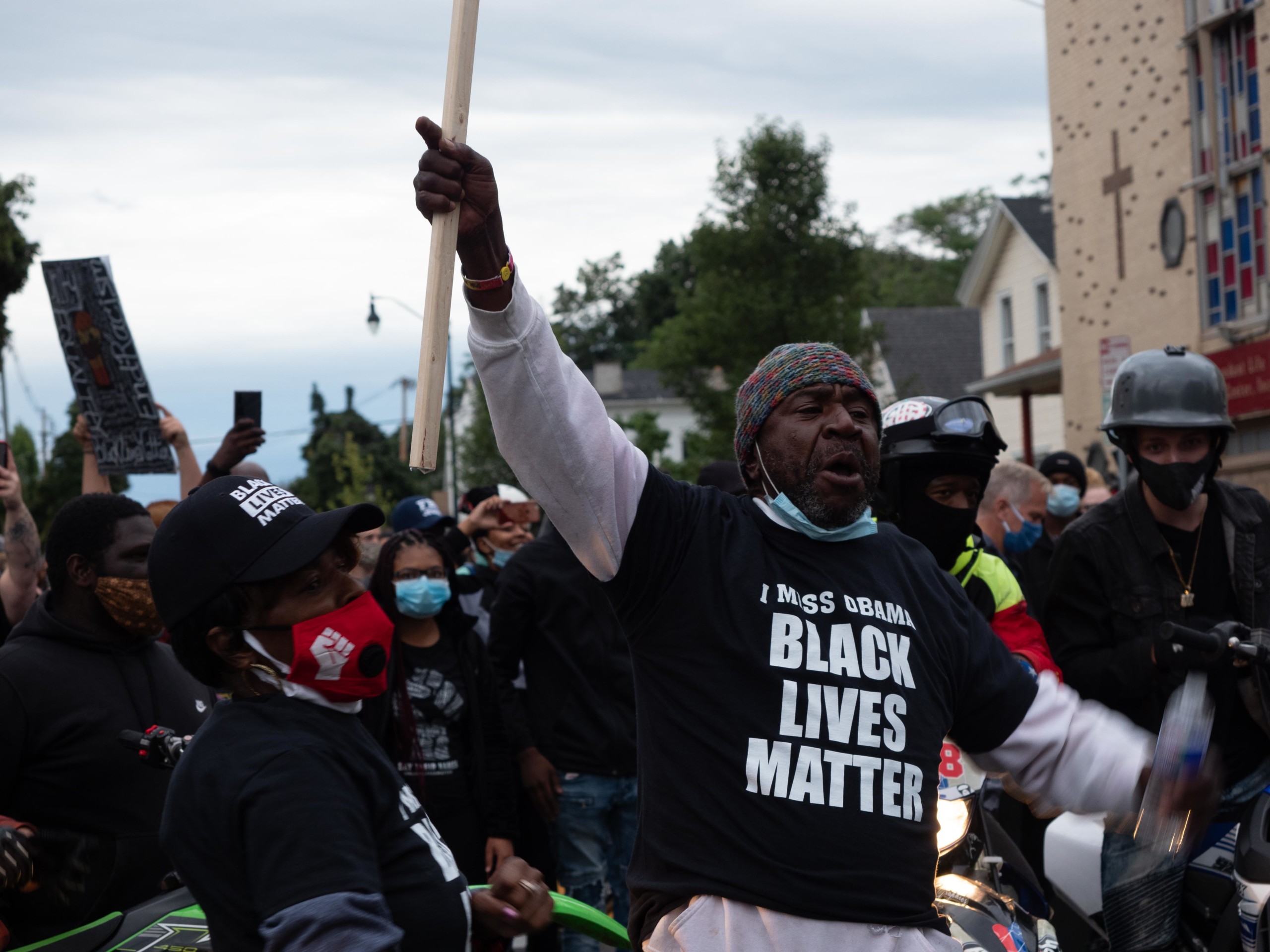
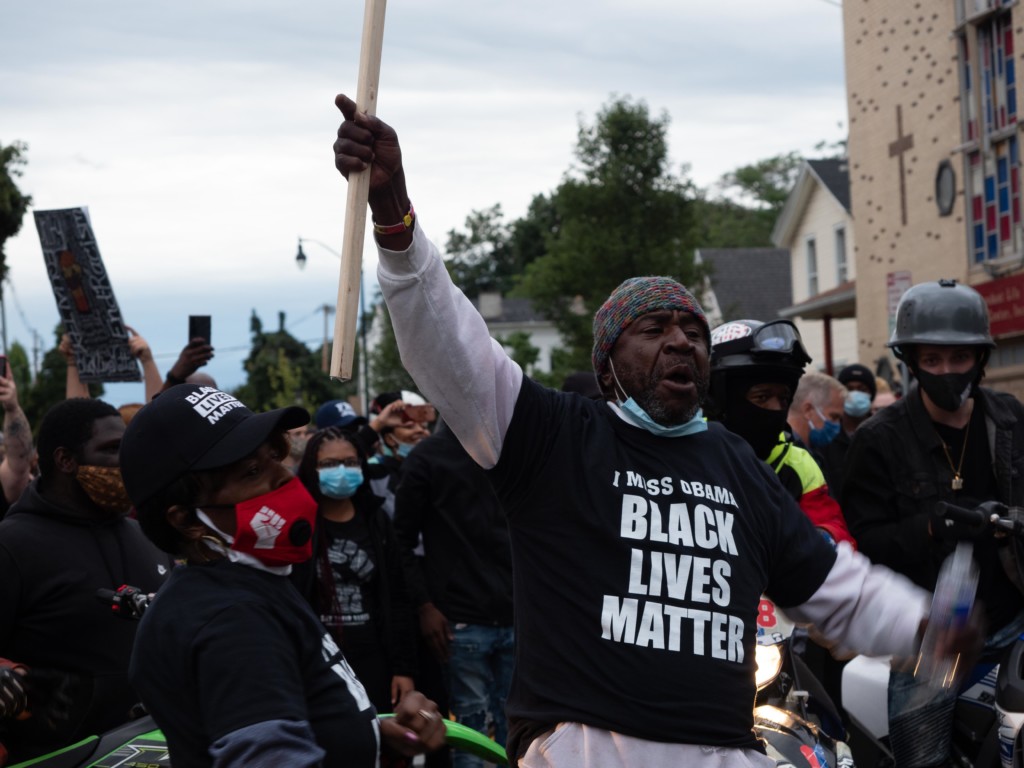
Increasing awareness is the first step to solving any problem. If people don’t know the scale of the issue, they aren’t going to bother to do something about it. I myself was blissfully unaware of the extent of racism in this country until the Black Lives Matter protests in May.
Of course I knew there are a few people who live in bygone ages and still believe in this kind of discrimination, but I thought they were the crazies, operating on the fringe. What I didn’t know was that there are more than just a few of these individuals, and that they wield major powers.
The upheaval we’ve witnessed in recent months has done wonders to put this issue at the forefront. At this stage, I’d like to be cautiously optimistic and say that this is the beginning of the end of racism. I don’t think that the unlawful death of an Black individual will ever be taken lightly after the year we’ve had.
Sure, there’s a very long way to go in terms of equal opportunities and justice, but you’ve got to start somewhere, and this is a great start.