As week four of online classes begins, benefits and consequences of remote learning are being reaped by students across majors.
But the sudden difference is especially being felt by students that rely on physical movement and practice spaces for their studies.
“I’m gonna be honest,” sophomore Catherine Ramsey said. “When the news first came out that classes had been completely switched to online, I was devastated. As a dance major, our learning is embodied: knowledge accessed through kinesthetic exploration.” 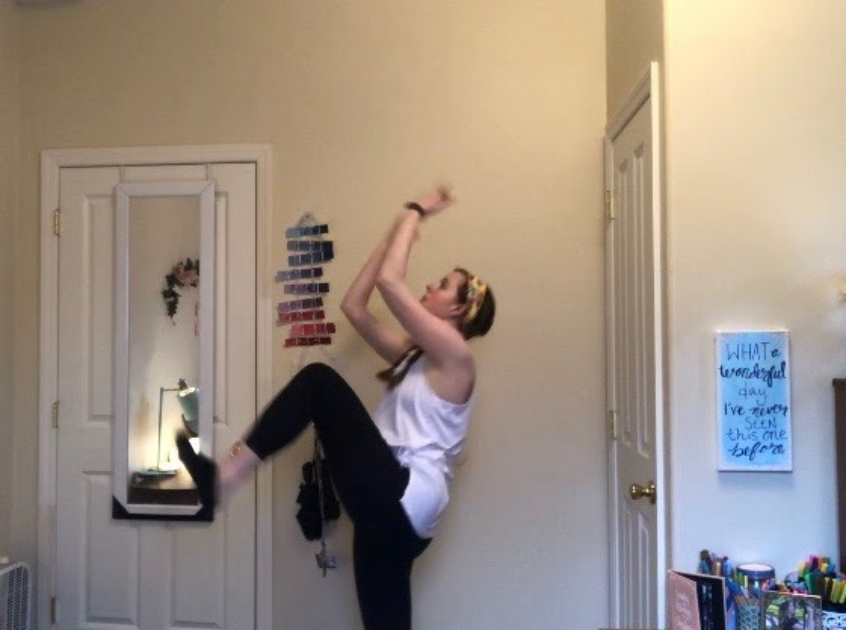
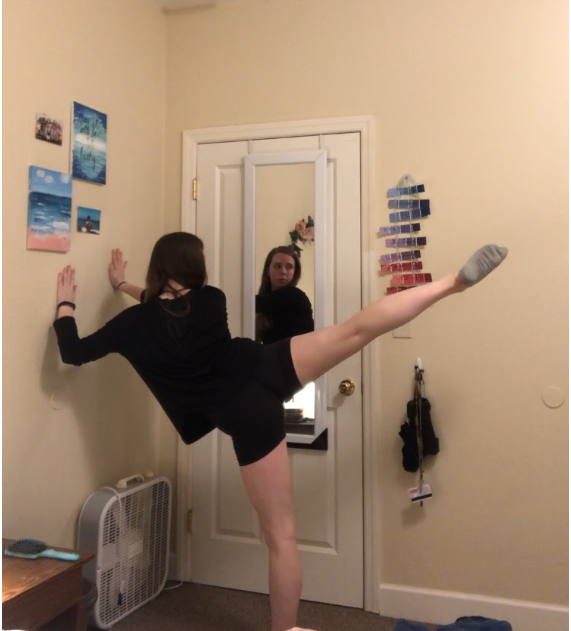
Such learning is limited by the confines of the quarantine classroom. Instead of a dance studio, students are finding practice spaces in their kitchens, dining rooms, or basements.
Sophomore Kathy Serna either does her dance work in her bedroom or the living room, and said the major difference between remote learning and the physical classroom is the way she receives feedback. “Usually, we’re able to get corrections through touch, but that’s obviously not available now.”
Serna said, it can sometimes be difficult to see everything a dance student is doing on a digital screen. “Effort or intent can be lost on camera.”
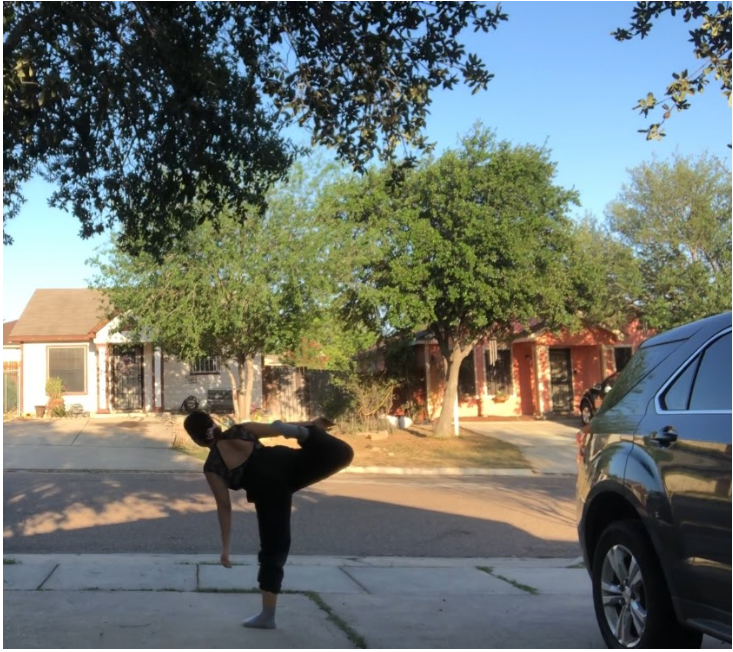
Both Serna and Ramsey were unsure about whether moving dance classes to a virtual platform would work.
“The one constant in my life had been ripped away,” Ramsey said. “The university indirectly made it clear that my major didn’t matter as much as the already recorded STEM classes.”
But the Dance Department has done its best, students said.
The dance professors have kept their students updated and informed, Serna and Ramsey noted. While the rest of Serna’s classes may have stayed relatively the same, she said, the dance teachers have completely restructured their courses. “There isn’t really room to learn any new dances, so we’re working with ones we learned earlier in the semester.”
Ramsey, majoring in political science and minoring in African-American studies, said she was unsure of how her coursework would actually function online. “Now, looking back at the first week of classes, my dance classes have transitioned far better than my political science classes, as the amount of creative thought and effort that has been put into lesson planning far exceeds the shared PowerPoint presentations in my other classes.” 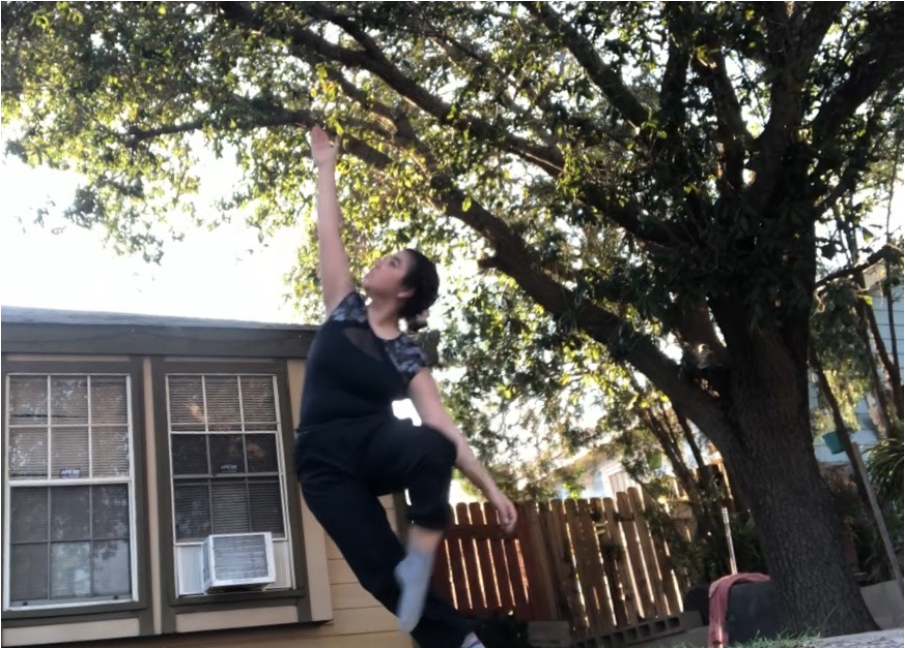
She also feels that learning in a limited space has allowed her to focus more on the precision and detail in her work. Dance classes, she said, have no option other than to be creative in moving forward.
“Pedagogy in the dance community is always adapting and growing,” Ramsey said, and the program at UR is no different. “People in the arts have a way of finding the best in the unknown.”