
A quiet quad, an empty Starbucks, closed libraries — here’s what life at the River Campus is like in the middle of a pandemic.
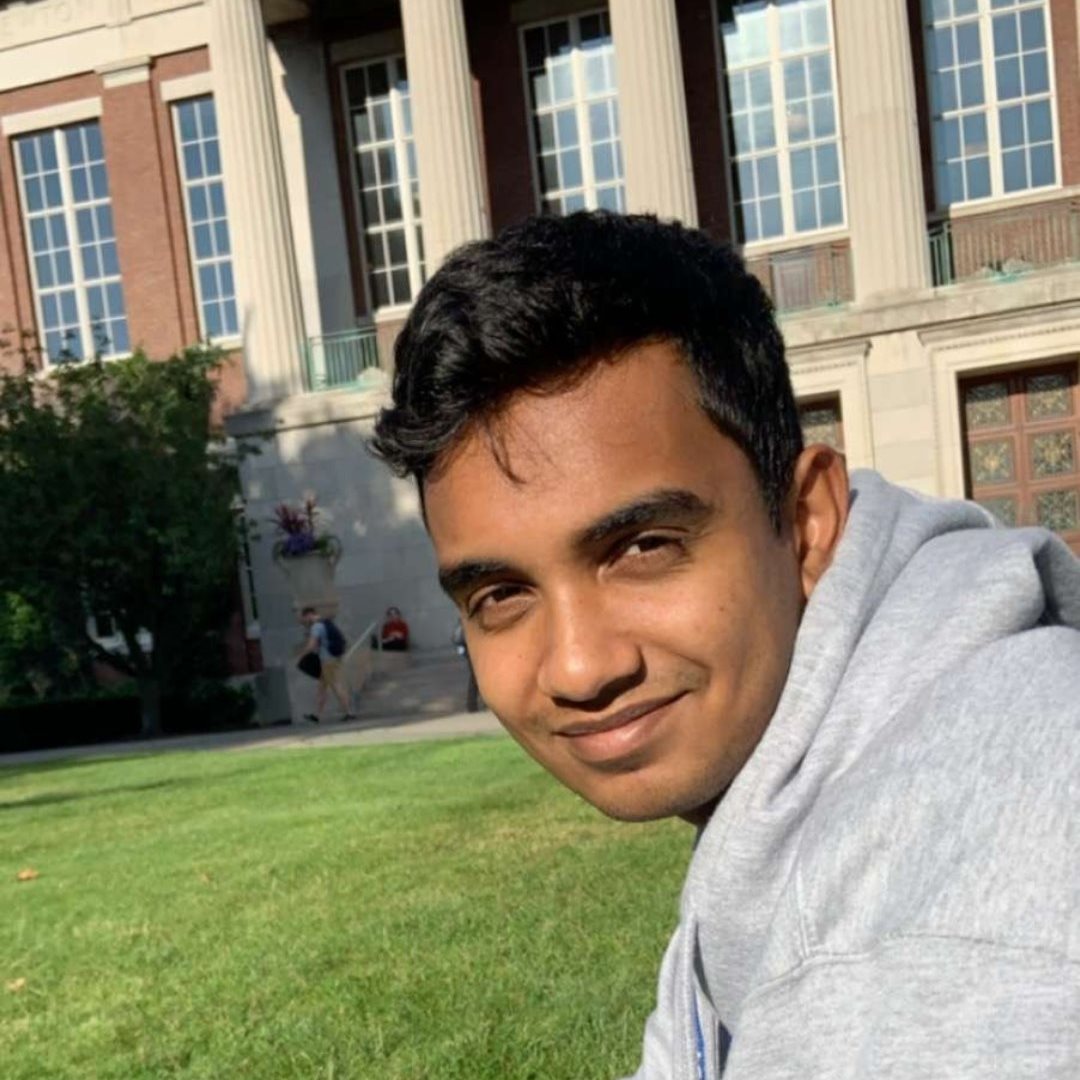
Amish Fakun (first-year): “Living on campus right now is boring. Sure, we fill in our time with assignments and prepping for exams, but really, without people on campus, the campus is void of life. However, it is what you make of it: You can always use the time to connect with some friends, go for a run, or learn a new skill!”
 Ognjen Bosic Hautamaki (sophomore): “Campus is pretty quiet as most of the people moved out, but you can still see many people around. I had to move from Wilder to Anderson and people from Phase went to Southside so that was a bit annoying, but understandable under the circumstances. I think that [the University] took good care of students as they enabled us to stay on campus and still have dining options[;] we can use declining money for all restaurants in Rochester on Grubhub. They also send regular updates on coronavirus, online classes[,] and anything else.

Sifan Ye (senior): “Campus is just empty. No more routines. Furthest I go is Douglass to pick up packed food. Dining is only open till 7 p.m. and it’s kind of hard to get food (with meal plan of course) when my stuff ends at 7:20 p.m. Exams are weird, too.”
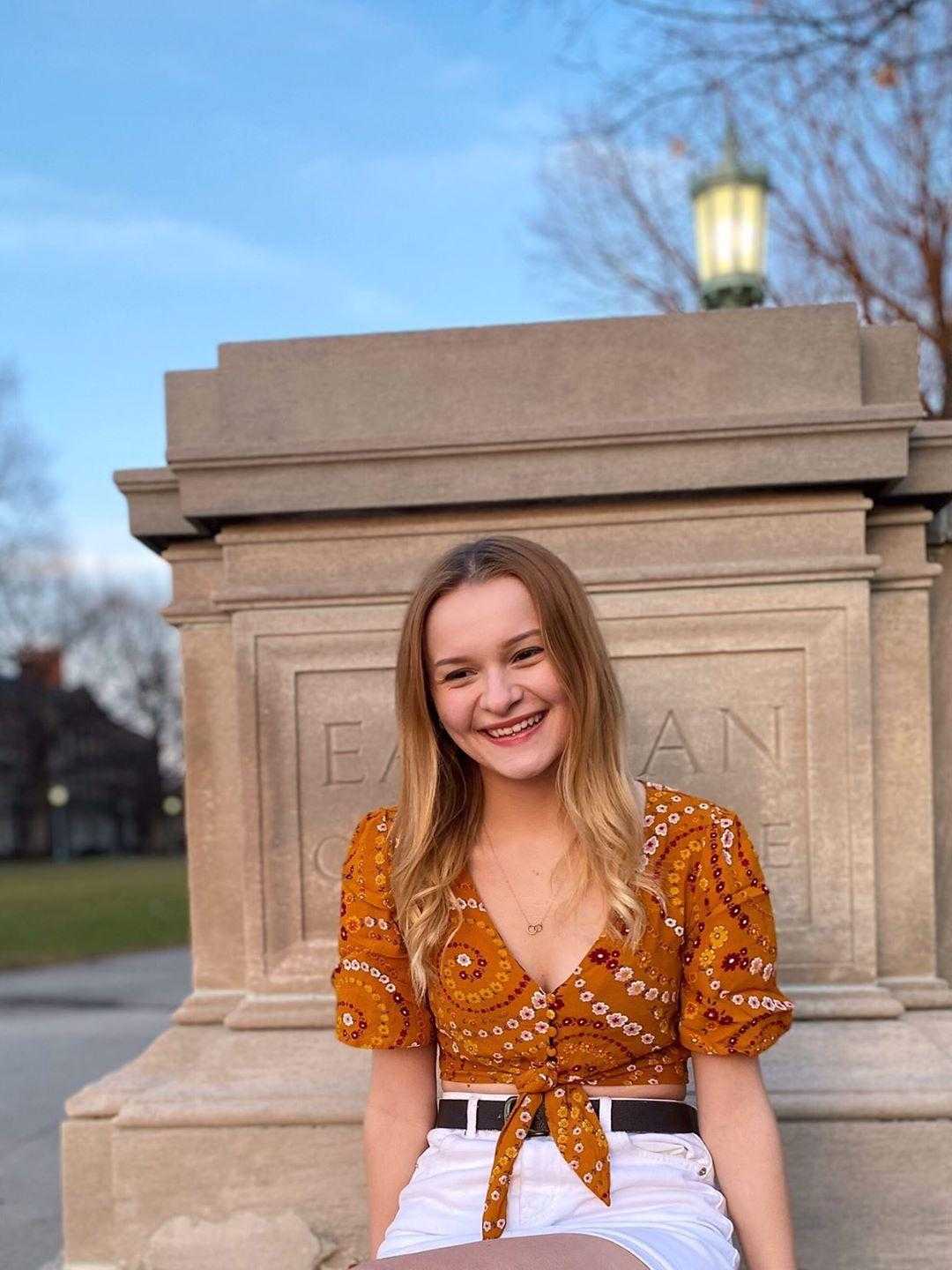 Lea Thome (sophomore): “So sad and depressing! Everything is closed so you can only stay in your room.”

Phuc Lam (sophomore): “Haven’t seen sunlight for two weeks. I might change my name to Dracula.”