The Campus Times has been keeping up to date with a UR student live streaming her personal experience with the pandemic. Every day, the student documents her productivity levels from her parent’s unfinished basement. Here were some of her updates:
“Hey guysss, it’s day two back here at home and my parents are just like ugh the worst so I came down here into this unfinished basement. It smells like my grandma and I’m having a staring contest with this weirdly tall cricket thing.”
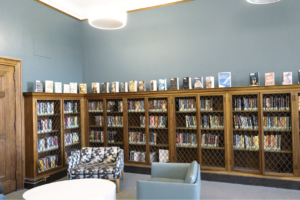
“Well just because I don’t have pretty surroundings like the PRR doesn’t mean I can’t still spend 40 minutes making the perfect Instagram story post to show how productive and hardworking I am with my aesthetic notes. This black light poster that says ‘Keep on Truckin’ should work just fine as a backdrop.”
“So guysss, I’m making my usual cotton candy frappuccino out of this weird fuzzy pink stuff I found hanging down from the ceiling. It’s kinda itchy and makes my tongue tingle but it tastes GREAT.”
“Is this cricket actually a spider?”
“OMG guys it’s like my dorm back at UR! There are cute little Christmas lights, some moldy beach chairs, Smirnoff Ices, and asbestos!”
“Maybe it’s half spider half cricket. Hey, Alexa?!”
“Also that weird pipe over there looks oddly like my roommate’s dildo that I used that one time… hm I wonder if—”
“Should I eat the spider-cricket?”