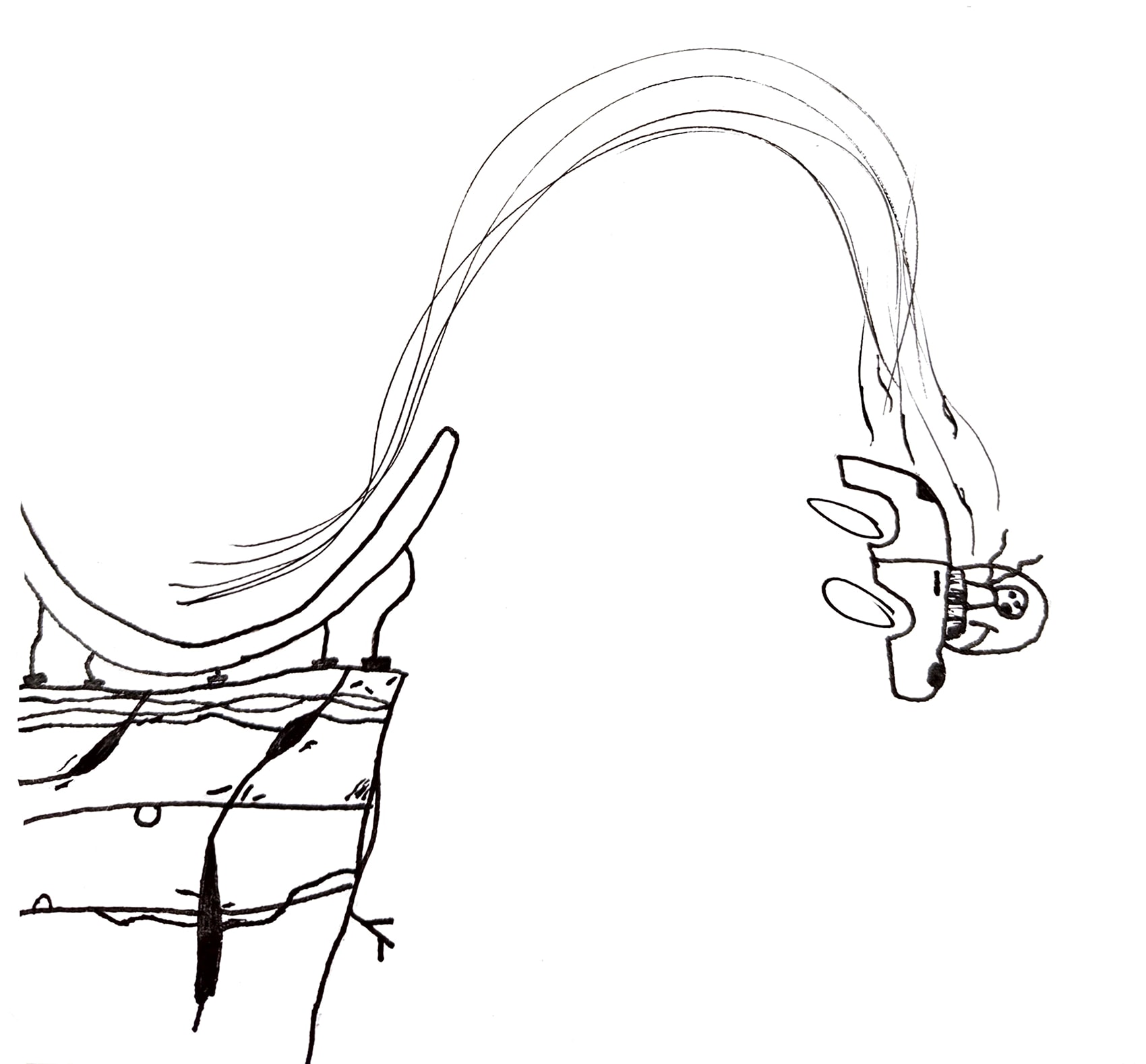
La Dispute has spent two decades refining a voice at the intersection of post-hardcore, emo, and spoken-word confessionals. Formed in Grand Rapids, MI in 2004, the band made their name on narrative intensity: Jordan Dreyer’s urgent, poetic delivery riding the foundation of angular guitars, tight percussion, and dramatic dynamics. On “No One Was Driving the Car,” released Sept. 5, they return after six years with a concept record that feels both cinematic and intimate. Partly a moral fable, partly a domestic autobiography, the album takes its title from a police report about a Tesla autopilot crash and its narrative inspired in part by Paul Schrader’s film “First Reformed.” The band breaks the album into acts, and what emerges from it is an often brilliant, occasionally unruly meditation on guilt, alienation, responsibility, and the violence of everyday life.
From the opener, “I Shaved My Head,” La Dispute makes their tonal intentions with their music clear: guitars that are heavy and slightly overbearing, percussion that frames the music, and vocals that spill out rawness and passion. The record jumps immediately into the frantic “Man with Hands and Ankles Bound,” which has vocals almost in a rapping rhythm with short, violent bursts of instrumental aggression, creating an effective narrative momentum that builds toward a satisfying, head-bopping climax. “Autofiction Detail” cools the temperature with a more melodic approach, highlighted by biblical references with modern imagery that gives the song an eerie atmosphere, while ending in spoken word, which feels like a deliberately unsatisfying choice. The album’s emotional center, “Environmental Catastrophe Film,” is the sort of long, progressive emo piece that earns the reputation of the best La Dispute songs: memorable, moving guitar finger work, progression of instrumental additions broadening the story, and a late, euphoric peak that reaches a rare catharsis for a band rooted in the hardcore scene.
La Dispute know how to provide rest, and “Self-Portrait Backwards” serves as a folky interlude: simple, lyric-focused, poetic, though a little tame among the album’s grand sonic ambitions. “The Field” leans into indie texturing with one of the record’s best opening riffs and a late surge of heaviness that reminds you the band still excels at dramatic turns. “Sibling Fistfight at Mom’s Fiftieth / The Un-sound” and “Landlord Calls the Sheriff In” sharpen the album’s political edge: Dreyer’s haunting critiques of modern capitalist Christianity: “Use your Bible selling vitamins from the comfort of your home/And you’re only at the bottom now because there’s no one down below.”
Simply named, “Steve” is the record’s most unabashedly angry moment, a track that ties suicidal despair and social rage into a combination that feels uncomfortable yet necessary. “Top-Sellers Banquet” moves between a chaotic spoken-word indictment and a closing passage that pairs high-energy drumming with a slow, melodic refrain to make the band’s argument clear: this is music that unsettles and informs you of your own violent natures.
Not every moment lands with an equal gravity, as “Saturation Diver” sits as a lovely, aquatic-sounding contemplation on death where the percussion feels a tad underutilized; “I Dreamt of a Room With All My Friends I Could Not Get In” occasionally finds Dreyer’s voice clashing with differing instrumental moods rather than complementing each other.
The title track, “No One Was Driving the Car,” offers some of the album’s most complex arrangements and most affecting lyrics and a calmer, comforting track amid the storm. The closing “End Times Sermon” ends softly with bird sounds and a parable-like speech that reorients the listen toward the fragile beauty of life that the record mourns and defends.
Overall, “No One Was Driving the Car” is a passionate and often poetic return to La Dispute’s signature style. The guitar work is frequently elite, the lyrics are the record’s best weapon (mixing domestic and dystopian affairs in ways that land well politically and emotionally), and the band’s signature dynamic progression of hushed moments exploding into violent releases produces some of the album’s most unforgettable moments. The narrative continuity of the whole album can feel jumbled, and a handful of songs are simpler than they need to be and lack replay value, but the climaxes and instrumental interludes repeatedly make up for those faults. This is an album that asks you to sit with the anxiety, regret, and faithlessness that come with life and does so with enough melodic tenderness and raw anger to make that sitting worthwhile. Anyone who prizes lyric-driven intensity will find much to admire here in this worthwhile comeback record.