Public relations and law enforcement have become more complex in the 21st century.
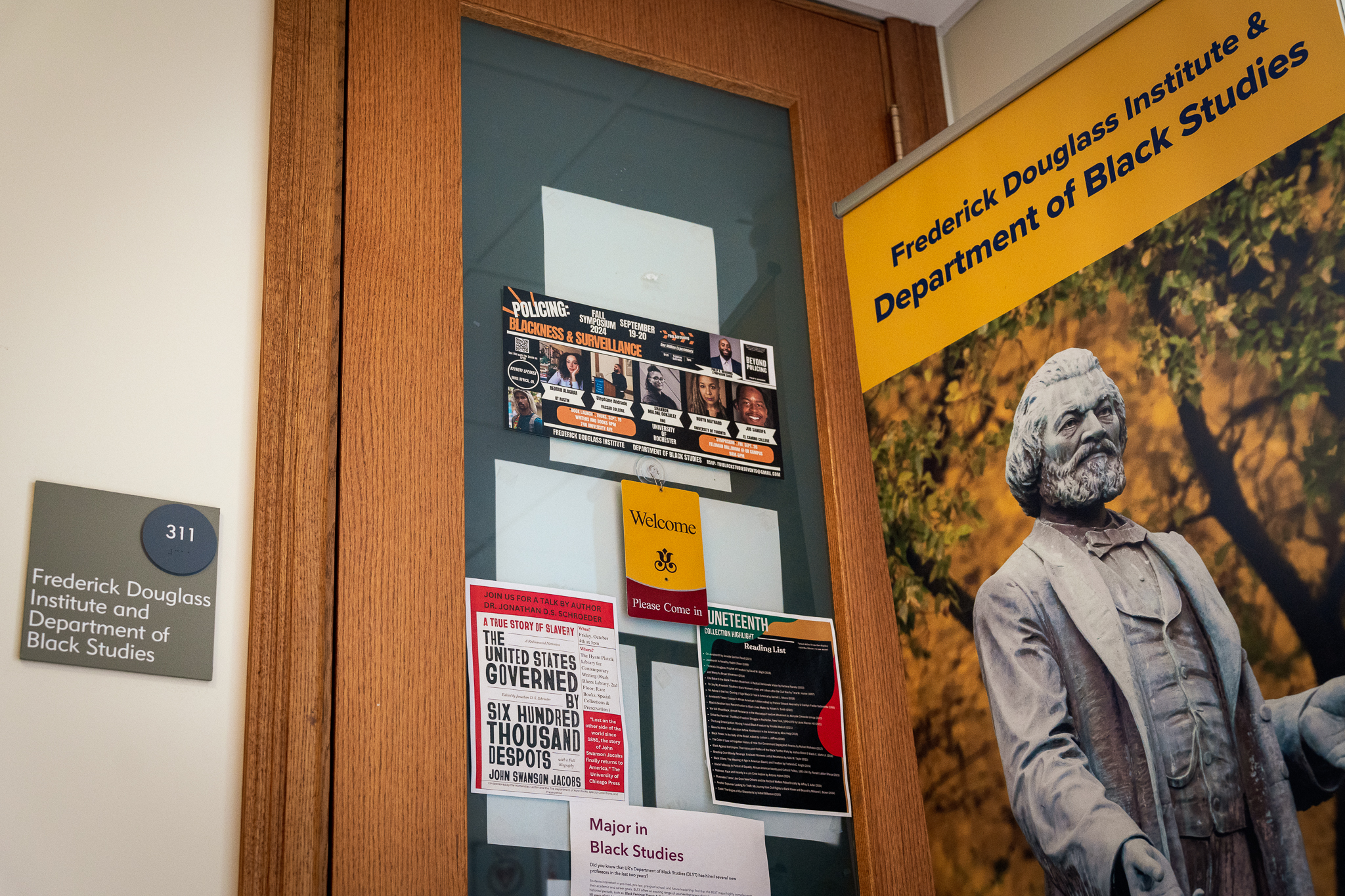
On Sept. 19, the Frederick Douglass Black Studies Department hosted a two-day symposium that brought together notable speakers across the US and Canada to dissect the intricate connections among the criminal justice system, law enforcement, and society, with a special focus on the experiences of people of color.
Philip V. McHarris, symposium chair and Assistant Professor from Department of Black Studies said, “My goal is to bring together a diverse array of scholars and thinkers to engage critically with the intersections of Blackness, policing, and surveillance by examining both historical and contemporary contexts while exploring new possibilities and innovative approaches beyond policing surveillance.”
McHarris emphasized the importance of understanding the historical roots of policing in the United States, which is intricately linked with slave patrols in the South, night watchers that subdued working-class riots in Northern cities, and Texas Rangers who disposed of Native Americans and Mexicans from their land in the west.
At the symposium, speakers offered insights into the dynamic interplay between law enforcement and society in the 21st century. Professor Jub Sankofa from Yale University highlighted the criminalization of sex and drugs as a means of race-class control, while Professor Robyn Maynard from the University of Toronto extended the idea by emphasizing the double standards of policing that disproportionately impact racial minorities.
“Bringing people together into the conversation can shed light on the complexities of these ideas while facilitating critical engagement with their intersections,” said McHarris, who advocates for a shift towards exploring community-based safety approaches that foster supportive environments, such as transformative, restorative, and healing justice practices. The importance of allocating resources and time to these initiatives as alternatives to traditional policing methods, he suggested, helps not only to address crime but to prevent it from occurring in the first place.
The wide range of backgrounds represented by symposium attendees made for an inclusive exchange of different perspectives, said student participant and junior Guy Emrich. “Sharing these voices allows for a more inclusive dissemination of ideas and ensures that insights reach beyond scholarly circles to the wider public, ultimately contributing to a more enlightened and equitable future.”