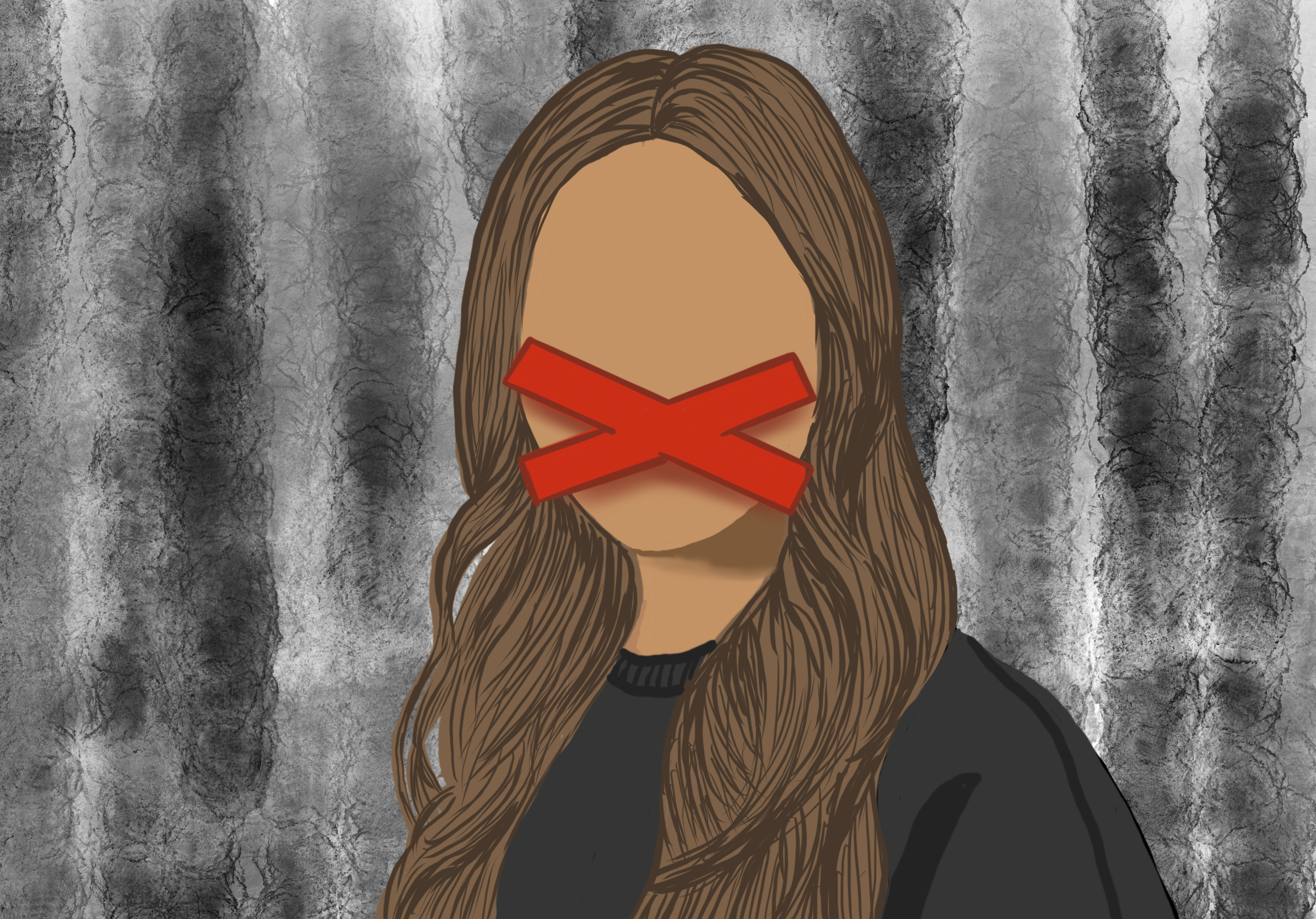
When was the last time you wanted to say something, but couldn’t?
Why couldn’t you say it? Was it because you didn’t feel like it? Or was it because you wanted to conform — because you didn’t want your friends, family, or peers to judge you?
Across the United States, many are lamenting the loss of free speech. In the past few months, this criticism has specifically been launched at college campuses; free speech proponents state that universities, due to their restrictions on speech (ex. “campus codes”), are no longer the bastions for free speech that they used to be.
While these criticisms have weight to them, these rules are not the main problem when it comes to a lack of free speech. Explicit restrictions are not what stop most people from speaking — instead, it’s the implicit pressure to conform.
According to an article published in Political Science Quarterly, self-censorship in America has more than tripled since the era of McCarthyism in the 1950s (in which people were punished for being suspected Communists), and in 2020, more than four in 10 people engaged in self-censorship. In particular, 46% of Americans in 2020 reported being less free to speak their minds than they used to, according to a nationally representative survey.
The researchers attempted to investigate the reasons behind this self-censorship, concluding that the causes are likely not due to systemic reasons such as political repression or explicit restrictions put in place; instead, self-censorship occurs due to “micro-environment sentiments—such as worrying that expressing unpopular views will isolate and alienate people from their friends, family, and neighbors,” the researchers argue.
In that case, the greatest threat to free speech in America is a person’s loved ones. Conformity, after all, is powerful — it can pressure people to go to war, to kill, to stay silent, or to renege on their beliefs. This is true on both a large-scale and small-scale level.
If we want to live in a free and ideologically diverse society where we can discuss important issues without fear, we must first start with our own relationships. We need to create environments free of pressure for those we care about, to listen to those who are willing to speak, and to keep an open mind.
Because if we don’t even feel comfortable voicing our thoughts to our loved ones, where else can we do it?