We once again find ourselves in a time where introspection is urgently needed. As communities form harsh divisions both within themselves and against others, bridging the gap between people has become vital. A great way to do that is through music. Imagine the feelings that bubble up when listening to a powerful song; an empathetic connection is made there that provides an emotional snapshot of the artist’s life. And even though it only gives a mere glimpse, that connection is still valuable. African American communities have contributed greatly to the American musical scene, but one genre with especially strong ties to Rochester is Jazz.
Jazz is indebted to African American people — across the country, it started with their musicians and patrons. Looking locally, Rochester’s Black musical footprint on the American jazz scene is relatively large compared to many cities around the country.
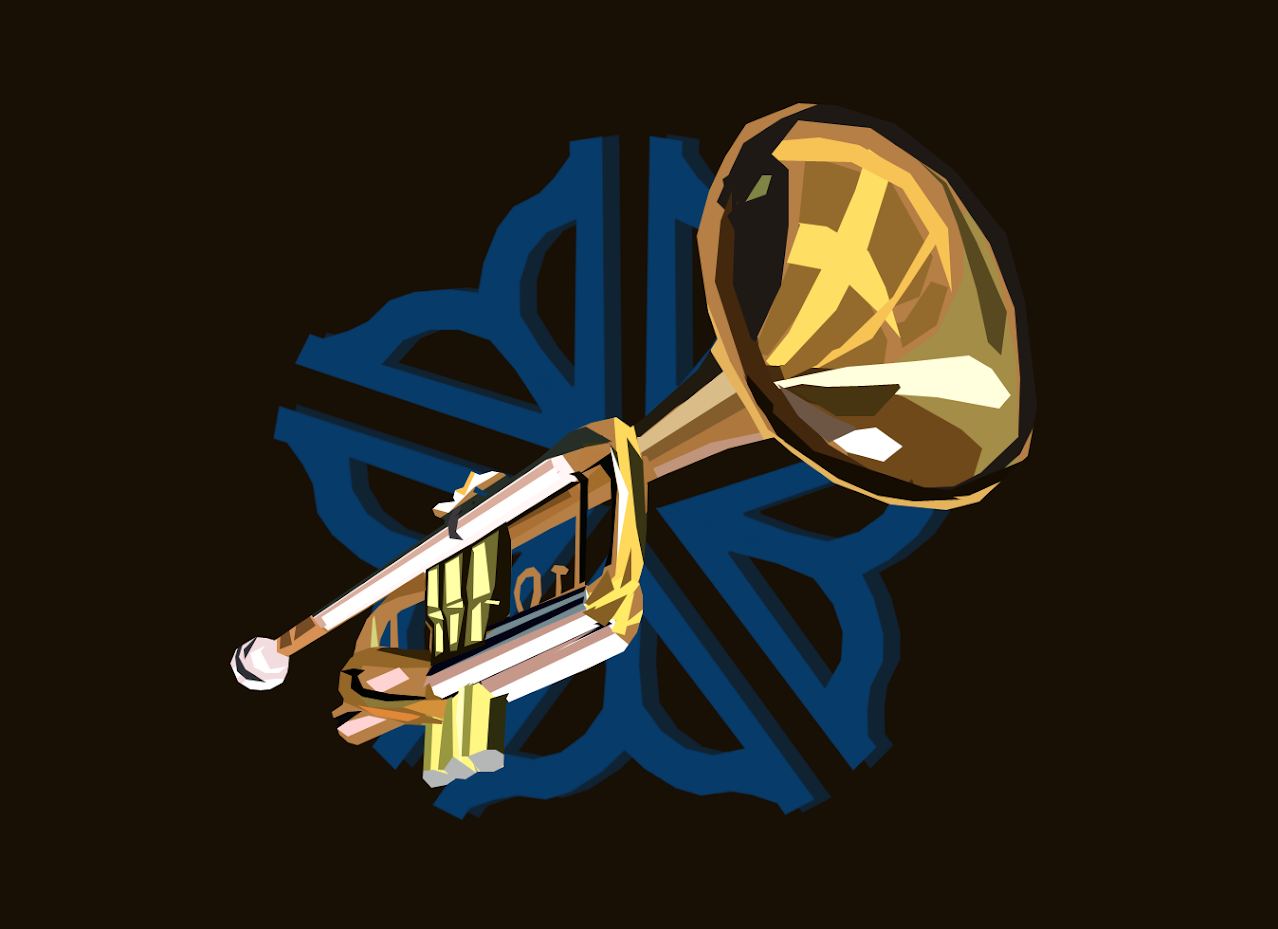
Throughout the mid 20th century, Rochester was home to a number of jazz clubs, which were attended by many famous and influential jazz musicians. Squeezer’s (1946-1955) was one of Rochester’s earliest well-known clubs. Located in High Falls, the venue attracted many Kodak workers and hosted musicians such as composer Duke Ellington and trumpeter Dizzy Gillespie.
Another significant Rochester jazz venue was the Ridge Crest Inn (1953-1963). Even though this Irondequoit club was just a humble looking barnhouse, it was still packed with Rochestarians weekly. It also attracted some of jazz’s most famous acts, such as Charlie Parker, Thelonious Monk and The Modern Jazz Quartet.
The heart of Corn Hill’s African American community, The Pythodd (1953-1973), is the most well remembered jazz club in Rochester, as it facilitated a passing of the torch from well established jazz veterans to Rochester’s most talented young musicians. Legendary bassist Ron Carter performed there, as well as drummer Roy McCurdy, a Rochester native. At The Pythodd, up and coming musicians played with some of the finest jazz players in the country, like Gillespie and pianist Horace Silver.
These clubs fostered the growth of countless musicians. James Brown Band saxophonist Pee Wee Ellis, although not a Rochester native, spent his formative years performing there.
In addition to all the clubs, Eastman — and its students — had a hand in helping jazz grow. Even during the 1950s when Eastman didn’t formally teach jazz, a dozen students would squeeze/cram into practice rooms meant for two to experiment with the art form. Eastman graduates who became influential jazz musicians include trumpeter Waymon Reed and the previously mentioned Ron Carder.
Finally, the Rochester International Jazz Festival has been running since 2002, keeping Rochester’s legacy in jazz alive by annually hosting the most talented jazz musicians from around town and beyond.
Jazz doesn’t make the news much anymore, but it was an outstanding artistic movement. Rochester’s Black community is just one of many across the country that left its footprints on jazz’s history.