Self-isolation has made me confront some difficult feelings about work and productivity.
It seems that in the real world we are constantly compelled to be — or to feel — useful. For a student, that may be completing course work and succeeding in assignments. For the average person, value comes from employment, and the surplus they create in it.
For many of us, there is little fulfillment there. And now, the challenge is to sit at home and remove ourselves from the network of the world — well, things can feel incredibly futile. A great way to cope, is the time to redress our feelings of usefulness that come from labour for others. Why not create something for yourself?
Domestic activities — like cooking, sewing, knitting, gardening — have, for the most part, faded into hobbies that few have the energy or interest to pursue. A great deal of that, I’m sure, is because patriarchal structures forced domestic activities onto women, and simultaneously dismissed them as a less valuable form of labor. I’ve just referred to them as hobbies, myself. Clearly, they’ve been discarded from the popular image of economic production that has developed in the last century.
But economics starts at home. In fact, the word itself comes from the greek word “οἶκος”, for home, or household. For thousands of years, the running of the household was a universal necessity. Food, shelter, health, comfort — all these necessities were produced in the home.
It’s no wonder, when 10 hours of every day are dedicated to production for others — and many necessities are produced for us by others — that there’s little energy left for the self.
I don’t mean to shame those whose circumstance can’t allow them to follow other pursuits. That’s the nature of work for many people. But now we have the opportunity to seize from this adversity a renewed energy for domestic pursuits.
Of course, that choice is met with doubt. What do I get out of it? How can I afford to? Where is the time?
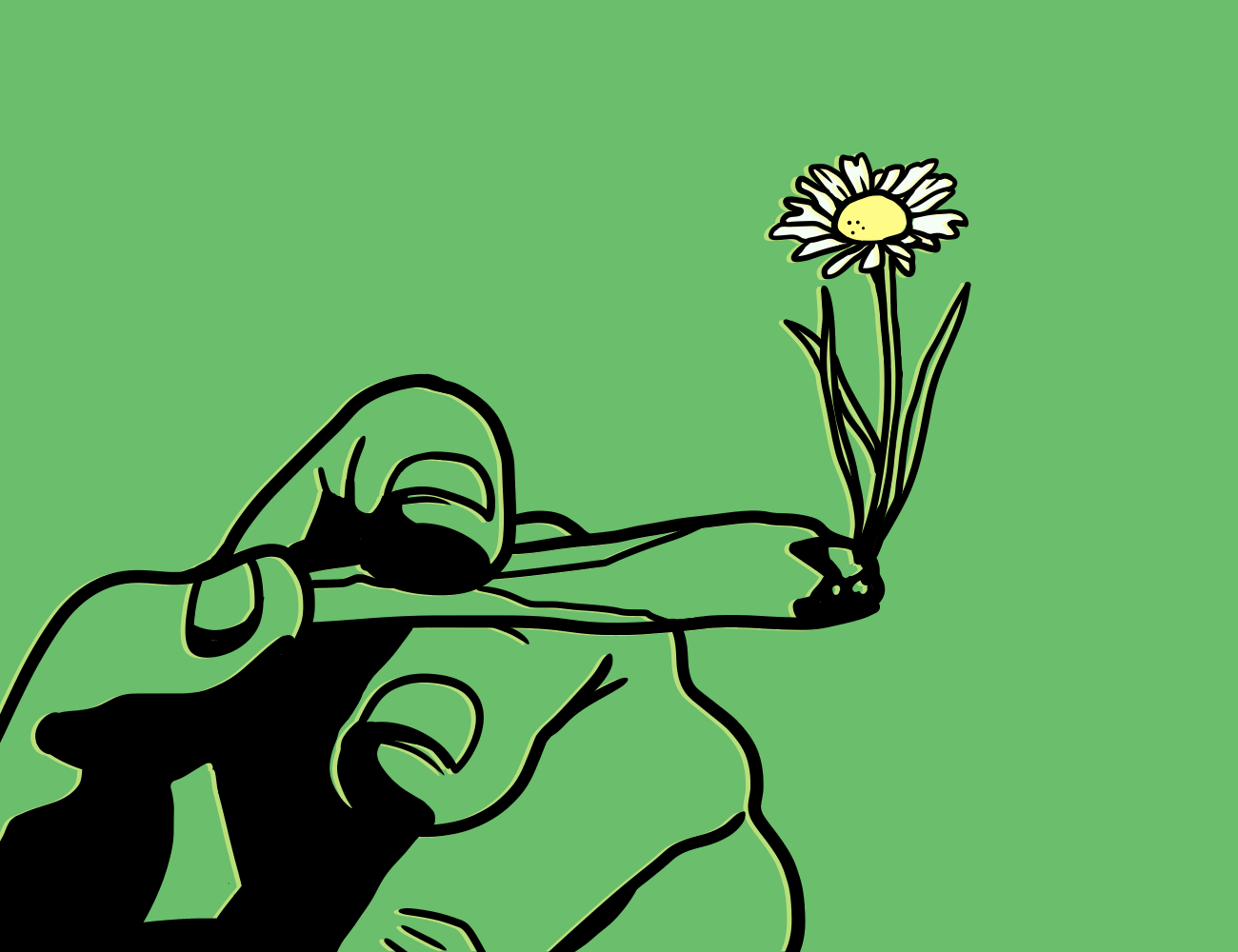
Let me tell you about an herb garden I started.
It was a poor attempt. But it was my own. Some basil, some chocolate mint, a small rosemary bush. Fortunately, mint, rosemary, and a host of other herbs are virtually unkillable, which is especially useful in a climate like Rochester’s. A plant might cost around $10, depending on size and what kind of planters you get. But the best part is that it only takes a few minutes a day to shape life with your own hands. And isn’t that something special?
Significantly cheaper than the store-bought variety, they’re also a wonderful supplement to the other diminishing craft of home cooking. Gardening saves money, it improves food, and it’s, quite literally, a fruit-bearing practice. What activity is better suited to fill the long period of quarantine?
Now, I don’t believe it’s fruitful or useful to try to be self-sustaining. But this is, on aggregate, an unprecedented era of economic activity and comfort. In a fragmented system that demands impersonality, why not return some of that vigour to the self? In days like these, we could all use a little indulgence.