Drue Sokol, Photo Editor
UR is ranked 29th on a list of private universities with the largest Jewish student populations. Accordingly, many students are currently observing the eight-day-long Jewish holiday of Passover. However, for those on a meal plan, it has been difficult to follow the holiday’s customary dietary restrictions, which usually forbid the consumption of leavened bread, corn products and rice, among other foods. While a strict definition of “kosher for Passover” varies widely between different Jewish groups, these core restrictions are generally shared. Currently, the food offered at campus dining halls leaves few options for students hoping to follow these guidelines, making the process more challenging than necessary.
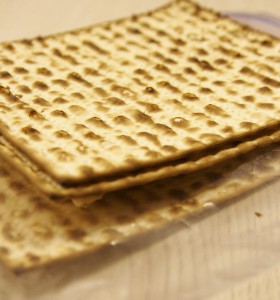
Dining Services has provided only the bare minimum of kosher-for-Passover food options. Boxes of unleavened matzah crackers can be found in many dining halls — but those alone do not constitute an adequate supply of dining alternatives. Additionally, Hillside Market, which also offers boxes of matzah crackers, sells macaroons and kosher-for-Passover cereal as well; however, sheet matzah should also be among their selection and at dining halls.
While it would be difficult for Dining Services to cater to every Passover custom, many students who don’t follow the strictest regulations would benefit from increased access to foods without wheat or corn. There are several existing dining options available year round that would be acceptable during the Jewish holiday, such as salads and certain soups. Still, given UR’s food supply, there are other meals that could and should be offered throughout the holiday. For example, the grills at each dining hall could provide grilled vegetables — a meal which students might enjoy even if they don’t celebrate Passover. Omelettes are also grain-free and could be prepared throughout the holiday. As another option, matzah ball soup — perhaps the most prototypical meal of Passover — is already occasionally made available at Douglass Dining Center and should be offered for the duration of the holiday.
One option does currently exist for those who choose to follow the Passover rules strictly. UR Hillel offers meals in the Interfaith Chapel and even provides to-go boxes. However, visiting this location requires quite the schlep, and just purchasing dinner there costs a whopping $16.99.
While Passover is nearly over this year, these suggestions should be considered for the future. A significant portion of students at UR are affected by Passover’s dietary restrictions, and because they are required to purchase a meal plan, it is only reasonable to provide a sufficient number of satisfactory — and more affordable — alternatives.