The revolution may not by televised, but it will be viewed on YouTube, shared on Facebook and posted on Twitter.
On Dec. 17, 2010, a fruit vendor, Mohamed Bouazizi, burned himself alive to protest the Tunisian police. Street vending is illegal in Tunisia, and authorities regularly confiscated Bouazizi’s small wheelbarrow of fruit. He had been humiliated, slapped in the face by a policewoman because of the debts he accrued each time his cart was confiscated.
Soon the video of Bouazizi was plastered up on YouTube. His burning image ingrained itself into the minds of Arabs that are also under corrupt, oppressive regimes.
In Algeria, Mauritania, Saudi Arabia, Syria and Morocco people copied Bouazizi to protest their own governments. At least six immolated themselves in Egypt.
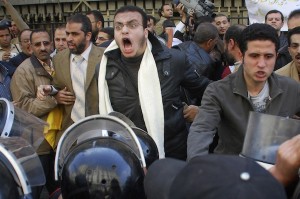
Facebook groups formed in solidarity. Egyptian youth called for demonstrations in Cairo. Egypt’s president Mubarak ordered the Internet and telecommunications disabled, but it was too late.
The protests in Tunisia and Egypt are revolutionary in that they are organized and mobilized online by average citizens. What we have always known about social media can also bring about regime change. The world of protest is speeding up. Only days are needed to overthrow a government.
In developing nations, social media is the organizing tool for protest and agitation. The true and interesting future of Youtube, Facebook and Twitter will be in how they will shape the ability of people to combat perceived authoritarianism.
One problem remains with a social media inspired revolution. You can post the revolution on Twitter, but that does not really matter unless you can guarantee that tanks will back you up. In Tunisia, the military quickly supported the protestors, and the government was overthrown. In Egypt, the military has worked as an arbitrator, announcing they “will not resort to use of force against our great people.”
Nevertheless, without the Internet this whole chain of events would not have happened. No copycat burnings and no mass protests from Jordan to Morocco. Without the Internet, the government in Tunisia would not have been overthrown. Without the Internet, Mubarak would control Egypt and the protests in Lebanon and Yemen would not have occurred.
To Americans, Facebook and YouTube are ways to connect with friends or watch videos online. To people under autocracies, Facebook and YouTube are ways to change their world. Is this the cusp of a wave of democracy?
