In science fiction — particularly the classics of the twentieth century — characters like Spock or Luke Skywalker are doubtlessly memorable, connected to well-known franchises, images, and nostalgic memories. However, in terms of the degree to which audiences can empathize and connect with emotionally complex characters, science fiction is sometimes thought to be lacking. As an author of science fiction, I sometimes see this judgment applied without a second thought to all science fiction appearing in a public, popular, or commercial light. Whether in high-budget epic films, novels from major publishers, or any media related to established franchises, science fiction characters seem to accrue a reputation as dry archetypes and set pieces to frame simple entertainment or parables about society
There are many who would insist that this viewpoint is justified, yet also many who would come rushing to the genre’s defense with a slew of examples to the contrary.
Could both be right?
Even from a cursory glance, it’s clear that characters and broader characterization in science fiction have evolved over time. “Dune” is one of the best examples of this evolution: it originally appeared in literature in 1965, and later was adapted for film in 1984, and again film trilogy in 2021–2026. The novels are typical examples of popular science fiction.
The original “Dune” book is very different from the newest films. Its time-jumps repeatedly hit the fast-forward button on developing relationships, while Paul, the main protagonist, ruminates on his visions of the future as much as he engages in emotionally meaningful bonds. But compared to the book’s version of the main protagonist, the emotional bonds Paul (portrayed by Timothée Chalamet) forms with other characters seem much deeper in Villeneuve’s “Dune” trilogy. In the original book, the two years from Paul and Chani’s first meetings to the birth of their son breeze by in one chapter. In the newest films, the audience instead undergoes a much more realistic and character-focused romantic journey. While the films remain action-dominated, Chani (portrayed by Zendaya) enjoys prominent and emotionally meaningful time on screen; Villeneuve populates her character with additional relationships and lines of dialogue that did not appear in the original.
Moreover, another franchise (primarily in film) hosts the most dramatic evolution: “Predator.”
The original “Predator” film (1987), thick with action, leaves much to be desired character-wise: the main protagonists are little more than sweaty, muscle-flexing men shooting up the jungle while fighting an extraterrestrial threat.
But the most recent installment barely resembles the original. The film “Predator: Badlands” (2025) follows protagonist Dek — an underestimated “runt” of a “Yautja,” the alien species also known as Predators. Dek does not resemble a human at all in the face, with spiked mandibles attached to his mouth and harsh reptilian features. All of Dek’s dialogue is in the fictional Yautja language, subtitled for the benefit of human audience members. Moreover, there are no biological humans in the movie; the closest are human-looking corporate androids sent from Earth into space. And yet, Dek undergoes his family’s rejection of him, witnesses his brother die, and eventually learns to find an unlikely family of his own. I would tend to agree with some of the reviews and opinions floating around: as something new and unexpected but with emotional cores to its characters, “Predator: Badlands” is among the best of the “Predator” franchise.
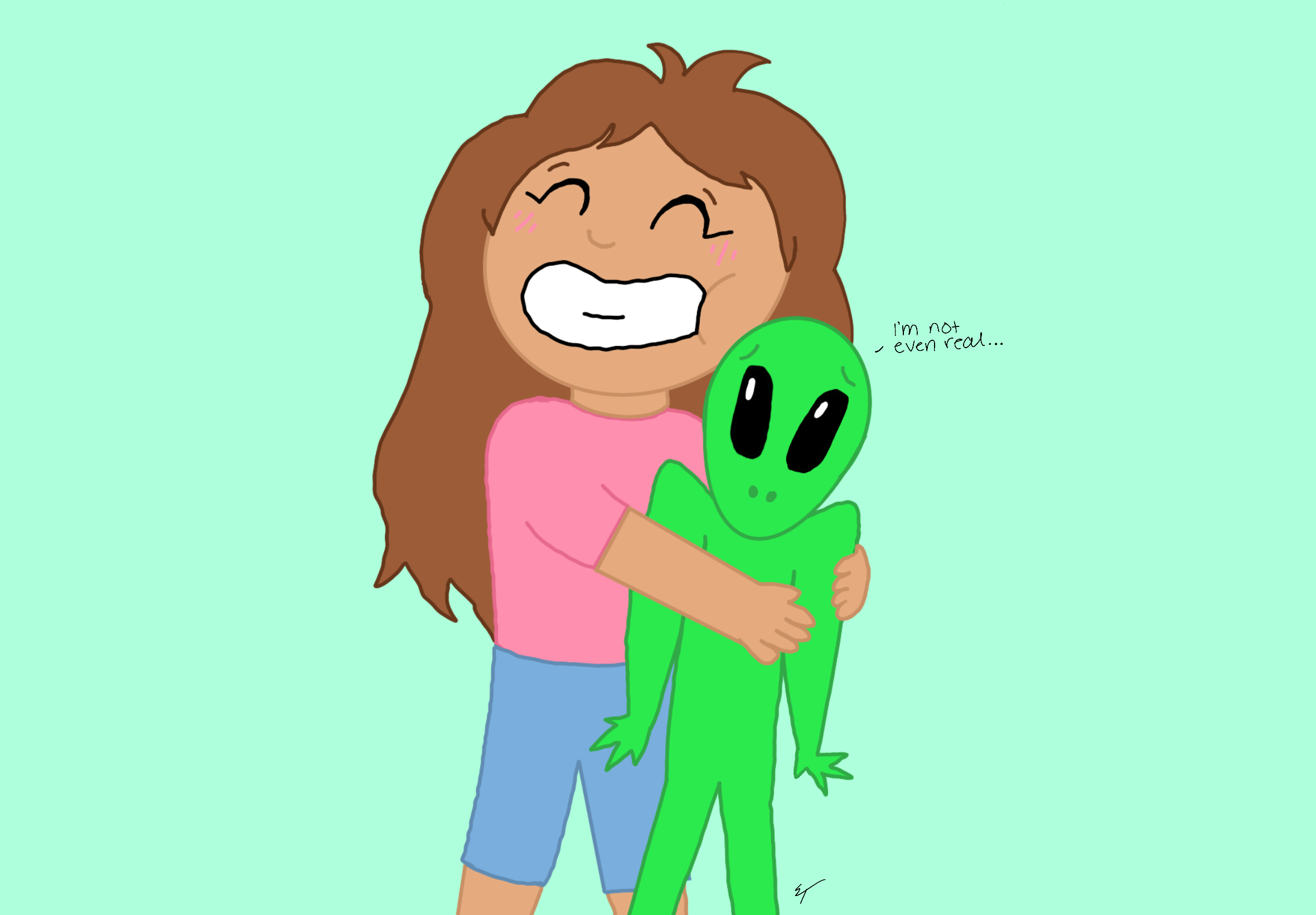
In fiction, storytellers ask audiences to invest their time, thoughts, and emotions in people who do not really exist. In exchange for this, the audience is promised various things: basic entertainment, emotional reactions, moral insight, or the empowerment of witnessing someone you can connect with grow and respond to the trials they face in life. Sometimes the exchange is worth it, revealing the story to be of high quality. Other times, it isn’t. But science fiction of this kind encourages people to invest themselves not just in fictional humans, but fictional nonhumans. Unlike fiction such as “Watership Down,” these nonhumans are not even familiar creatures, but something wholly invented.
This evolution of characters inspires many questions.
What about these fictional nonhumans makes them worth identifying with and investing compassion into? Is the difference between a fictional human and fictional alien negligible as both are ultimately not real?
Or is the difference between the alien Dek and the hypermasculine humans of “Predator” (and Paul, the colonial nobleman-protagonist of “Dune”) that Dek stands unfettered from pre-existing biases, being so fictional, so fantastical?
Or do more people simply interpret fictional nonhumans as metaphorical? Like Tolkien’s three-foot-tall hobbit protagonists, could they represent how dreadful circumstances of war loom tall over everyday people?
Whether as storytellers, critics, or fans, these questions are worth considering. Perhaps, better understanding how and why we relate to fictional aliens can teach us something about doing the same for real humans.