Public perception reigns in the world of corporations. Consumers want to make purchases they’ll feel morally good about, and this is largely based on their perception of businesses’ products and values. Just think about all the times consumers have shunned and boycotted companies over objectionable actions, such as the recent boycotts in responses to Target’s rollback of DEI initiatives.
Companies are incentivized to project “good values” to foster a wider consumer base: Certain messages and ideas are inserted into a company’s advertisements, graphic design, and general public image to emphasize their virtues. In most cases, however, a company’s commitment to a movement can fall short of their public claims. A prominent example of this in today’s market is “rainbow capitalism,” or “pinkwashing” — which happens when companies claim to be in support of the LGBTQ+ community, while avoiding making contributions to the community, or even actively hurting it. While strategies such as pinkwashing are not always done maliciously, they project an inaccurate picture of a company’s impact for financial gain, and betray customers. We are all familiar with the annual smorgasbord of corporate rainbow profile pictures that disappears the instant Pride Month is over, or, as we have seen since the election, the moment it is no longer politically beneficial.
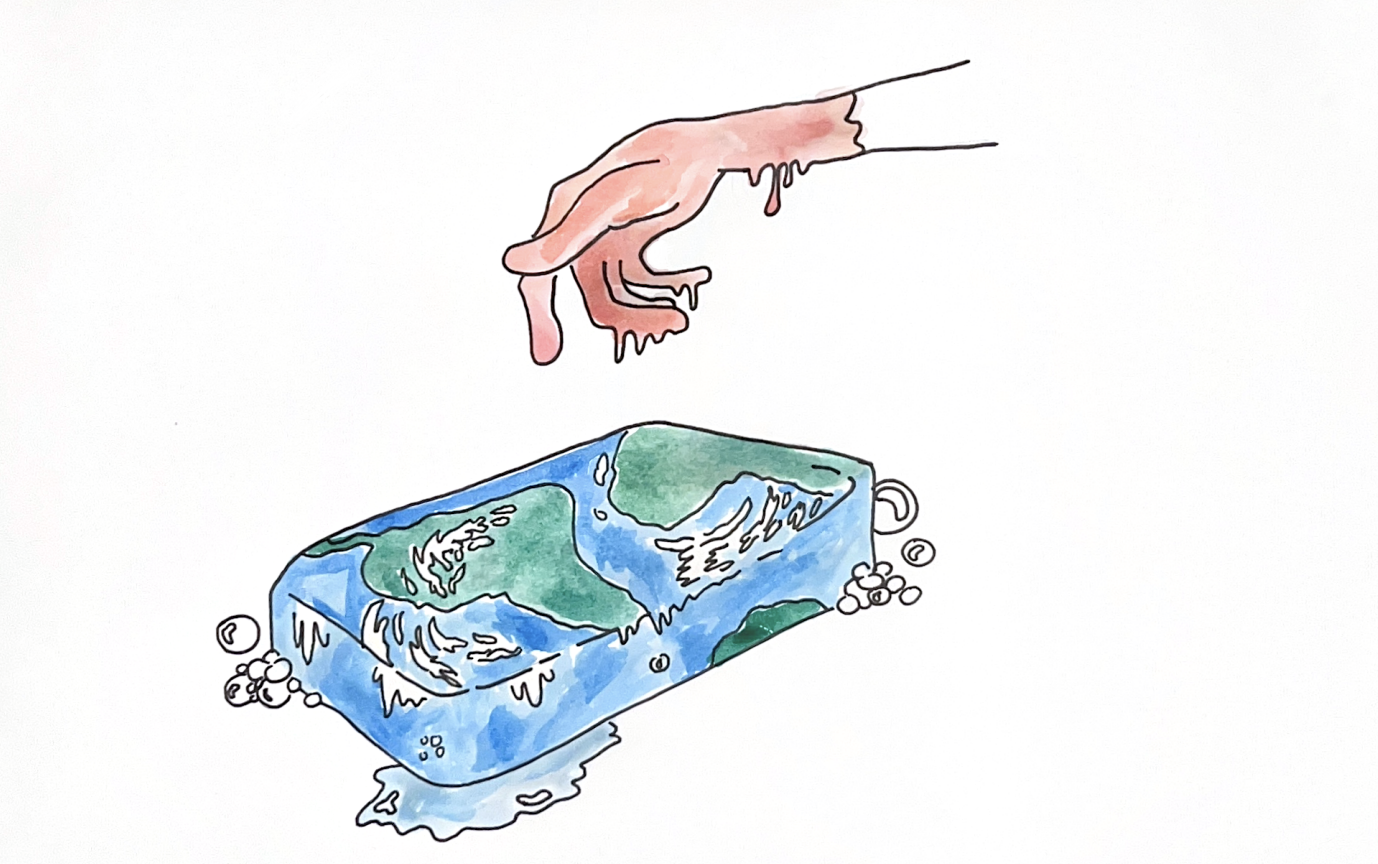
Greenwashing, similarly to pinkwashing, presents companies as more eco-friendly or green than they actually are. Whether unknowing or malicious, greenwashing falsely reports the impact of a company and can cause more harm in the process.
One recent and particularly blatant example of greenwashing occurred when the company Innocent Drinks released advertisements in 2022 featuring friendly cartoon characters singing about recycling when in reality, the company uses unrecyclable plastics for their products. Furthermore, Innocent Drinks is owned by Coca-Cola Co., one of the most egregious plastic polluters in the world. Campaigns like this not only falsely advertise a company’s true environmental impact, but also spread misinformation. If consumers recycle Innocent’s single-use plastic products as their advertisements encourage, these unrecyclable materials will prevent recyclable materials from being processed properly.
It goes without saying that greenwashing, or any other form of disingenuous activism, is wrong. Not only does it trick consumers for profit, but it can also actively hurt the environment in the process. Greenwashing makes it tricky for climate-conscious shoppers to find sustainable options as well.
Greenwashing is typically marked by excessive use of buzz words and vague or misleading numbers to exaggerate a company’s green efforts. Many companies will talk about “net-zero carbon emissions,” but this is also misleading: “Net-zero emissions” does not necessarily mean that a company is curbing emissions, but could instead indicate funding sustainable projects or planting trees. Crucially, in these cases, the effects of emissions are still present and alarming.
Consumers can learn to recognize greenwashing and distinguish honest companies from dishonest ones, but this is not some magical solution. Furthermore, it promotes the fallacy that saving the environment is solely the consumer’s responsibility. Our climate is not changing because a few people did not properly recycle (the benefits of recycling, useful as it is, are often over-inflated by companies in order to justify their own actions), but rather because companies sacrifice sustainability for profit. Until we put companies in the hot seat, we will find ourselves treating symptoms of a problem without coming close to a long-lasting solution.