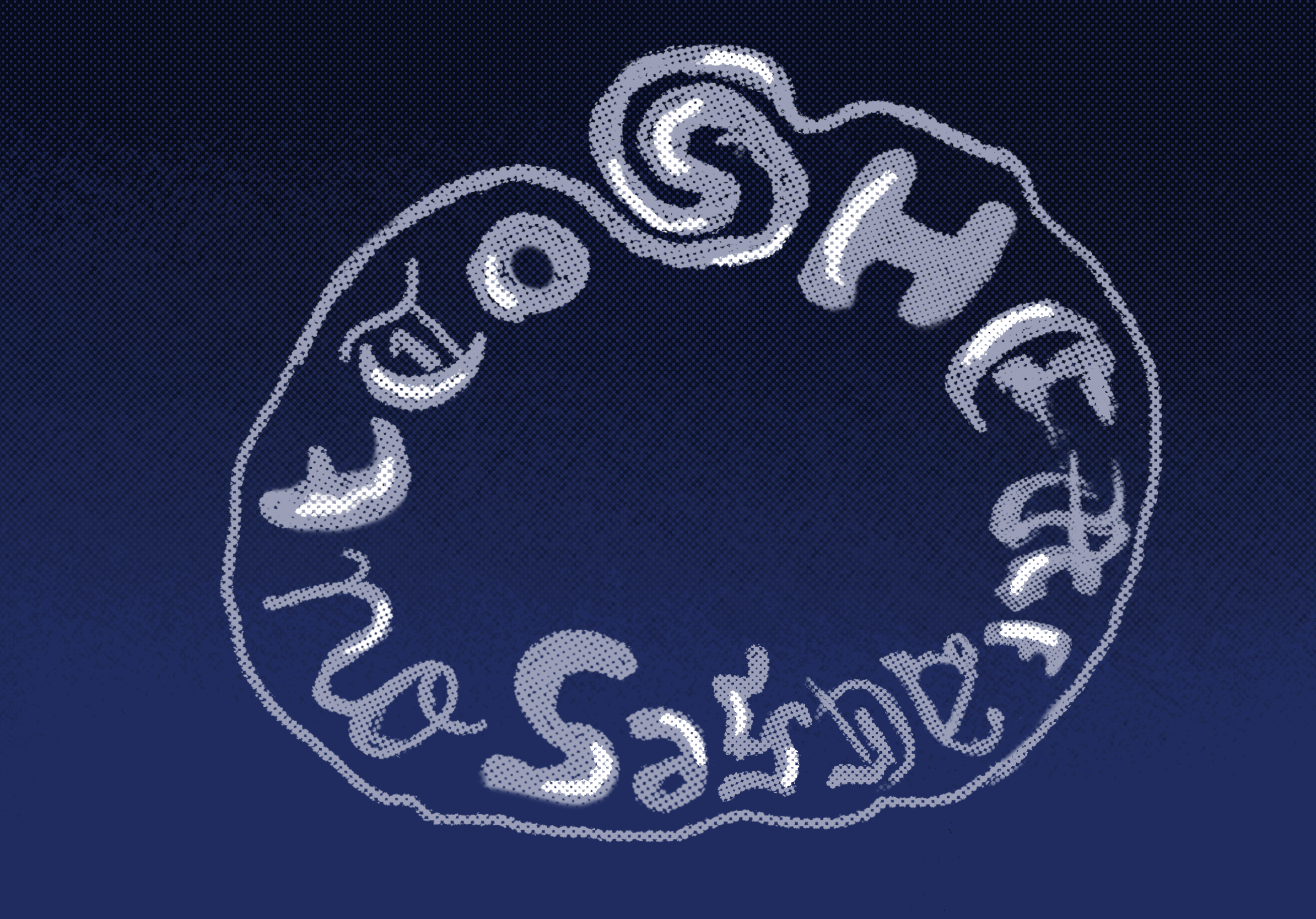
Chelsea Wolfe is a name I was familiar with before listening to her newest album, “She Reaches Out To She Reaches Out To She,” due to her adjacency to the metal scene. She is technically not a metal artist, although she has collaborated with notable metal acts like Converge and included a bit of a doom-metal sound in some of her older songs. Her sound is much more looming and mysterious than it is aggressive or scream-filled, but she still dabbles in many aesthetics prominent in the alternative subculture –– namely lots of darkness and occult imagery.
I previously listened to one of her earlier records “Abyss,” a slow but gratifying album with grim instrumentals and ghostly vocals. I went into “She Reaches Out” expecting more of the same, but I was confronted with a different sort of album.
While “She Reaches Out” is certainly still a gloomy album, it is much more subdued than the dramatic “Abyss.” It creates an atmosphere that feels like shapes moving through fog, with the vocals floating about over eerie keyboard lines, droning guitars, and often sparse rhythm sections.
The whole album feels cohesive, keeping a consistent vibe throughout its runtime. I enjoy it when an album can be immersive, and it was successful on that front.
There are also plenty of standout moments from the dynamic drumming on the track “House of Self-Undoing,” to the murky tones of “Everything Turns Blue,” to the electronic percussion loops on “Eyes Like Nightshade.” The first half of the album has more of these moments, which help give it a strong identity.
I also think this record is a bit more accessible than her other work; some moments reminded me of Lana Del Rey or Weyes Blood. “She Reaches Out” certainly isn’t a commercial switch-up — it is more listenable to a mainstream audience.
With that being said, there were a few drawbacks. Although I like the consistent vibe of the album, this is a drawback in certain respects. Some of the songs sound a bit too similar to each other or do not develop in interesting ways. The second half of the album is less memorable than the first half, and at times the production also felt a bit flat when compared to the massive soundscapes of “Abyss.”
It may seem unfair to compare “She Reaches Out” to an earlier album in Wolfe’s career, but I can’t help but feel that — while I enjoy the different style of “She Reaches Out” — it lost some of the unique qualities that made her previous work more engaging, such as the doom metal influences and massive, grand-sounding bursts of instrumentation. While I understand this is a different type of album, and there are plenty of positives to that, I do miss these sounds Wolfe worked with earlier in her career.
Overall, this is a strong record from Wolfe. If you’ve never heard of her music and want to try something different, I recommend you try it. It’s not long, and while I had some small issues with it, I still enjoyed it a lot.
For Fans Of: Lana Del Rey, Weyes Blood, Boris
Overall Rating: 8/10