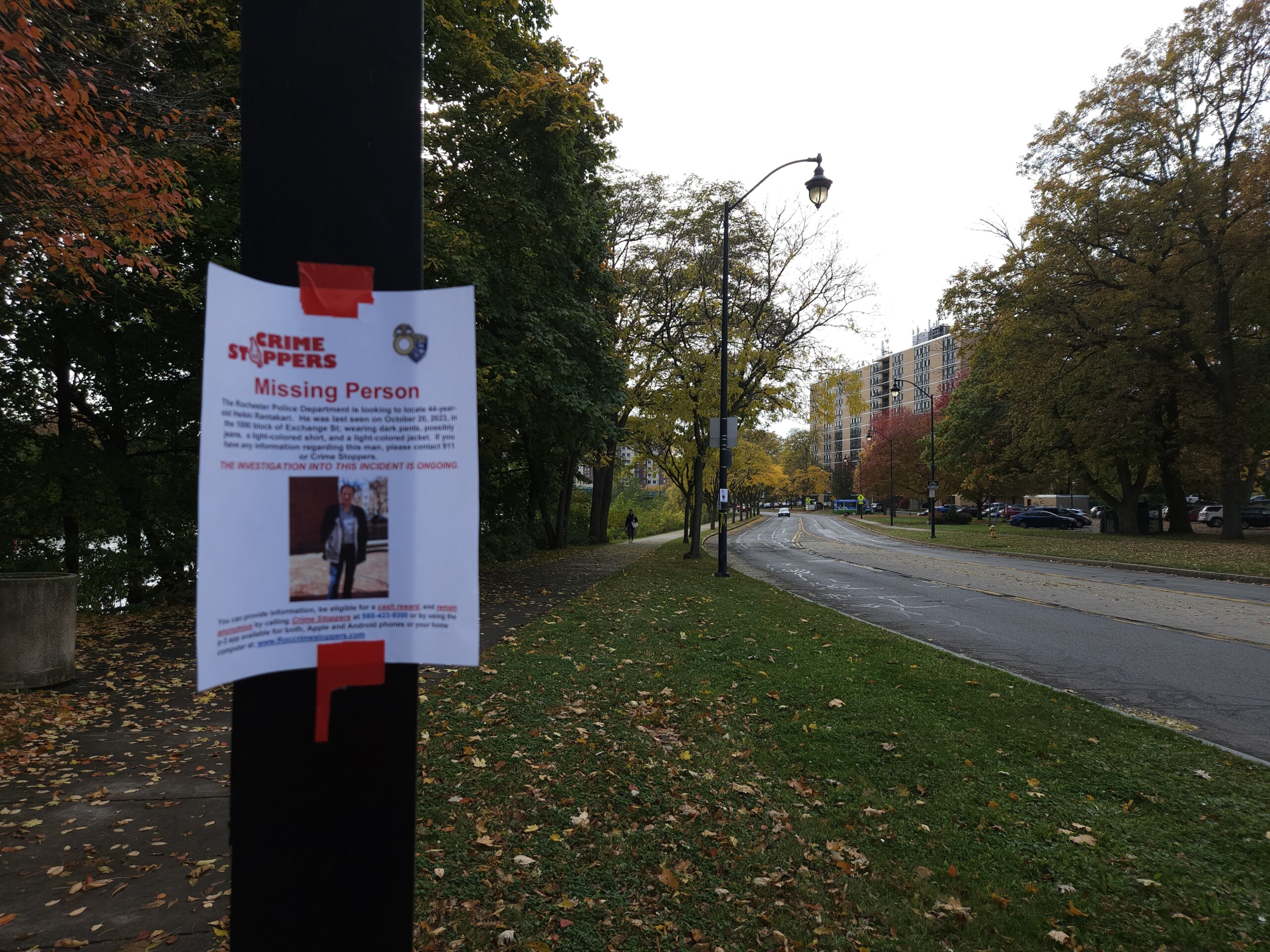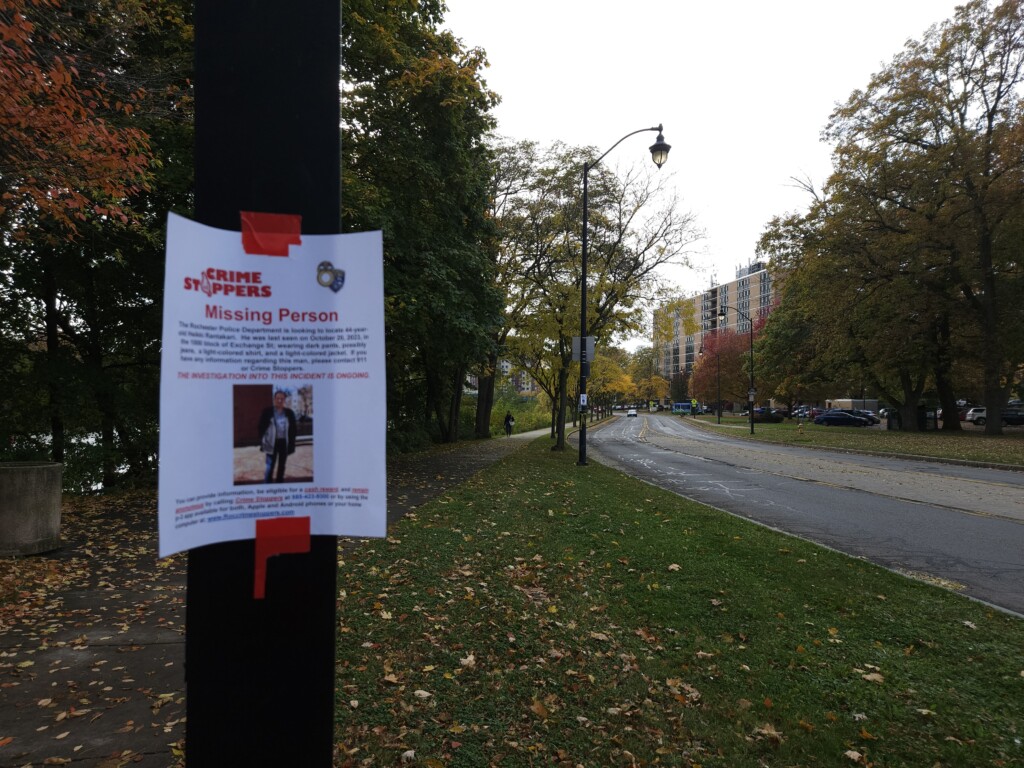
On the morning of Oct. 23, I found out a member of our University community had gone missing.
He had been missing since that prior Saturday. Heikki Rantakari is a professor with the Simon Business School. After failing to show up for a lecture that he commuted to Rochester to teach, he was reported missing. This case immediately struck home with me and captured my attention. But do you know whose attention wasn’t captured? The University’s.
Sure, you can argue that Simon sent some emails and made a post on their Instagram account. You can claim that the statements to the press from the University were enough. But in an age where student and faculty email inboxes are flooded with statements about a multitude of other topical issues — the Israeli-Palestinian conflict, racist graffiti, muggings on the pedestrian bridge, etc. — this lack of a message sent to the entire University community seems highly insensitive.
After all, this is the same University that is buying up as much property in the city as possible. This is the same University that claims it wishes to help the Rochester community while gentrifying urban spaces like the 19th Ward. This is the same University that encourages students to live in those gentrifying communities, often at the expense of normalcy for the people who lived there first.
So while I’m disappointed in the University’s lack of response to Professor Rantakari’s disappearance, I can’t say I’m surprised.
The University is a business at the end of the day. They don’t actually care about the individuals working and studying on their campuses. Only giving a statement to local media truly proves that the school just wants to protect their public reputation.
Here’s the final kicker: For an institution that prides itself on being the largest employer in the city of Rochester and its surrounding suburbs, it doesn’t seem to have cared enough to utilize this community’s access to possible information regarding the disappearance.
There may have been information amongst medical staff or commuter students and faculty that could have helped the investigation progress more quickly. Yet, because a large portion of the University community was entirely in the dark, there was no access to that information.
Rantakari’s disappearance has been a topic of discussion with not just my peers but also my friends and family back home. They also express their frustration with the lack of response from the University. They have taken the mishandling of this situation very seriously and have lost trust in the institution which they assumed would protect its students.
Even my own mother, who typically thinks I jump the gun on issues of University action (or lack thereof) confided in me.
“I don’t trust that if you go missing, the school will tell me,” she said.
Note: As of this moment, Rantakari’s whereabouts are still unknown, but RPD says they have discovered footage that they believe shows him falling from a pedestrian bridge into the Genesee River. RPD’s search is ongoing. The University again has only issued statements to media outlets. My thoughts are with the family and friends of Heikki Rantakari at this time.