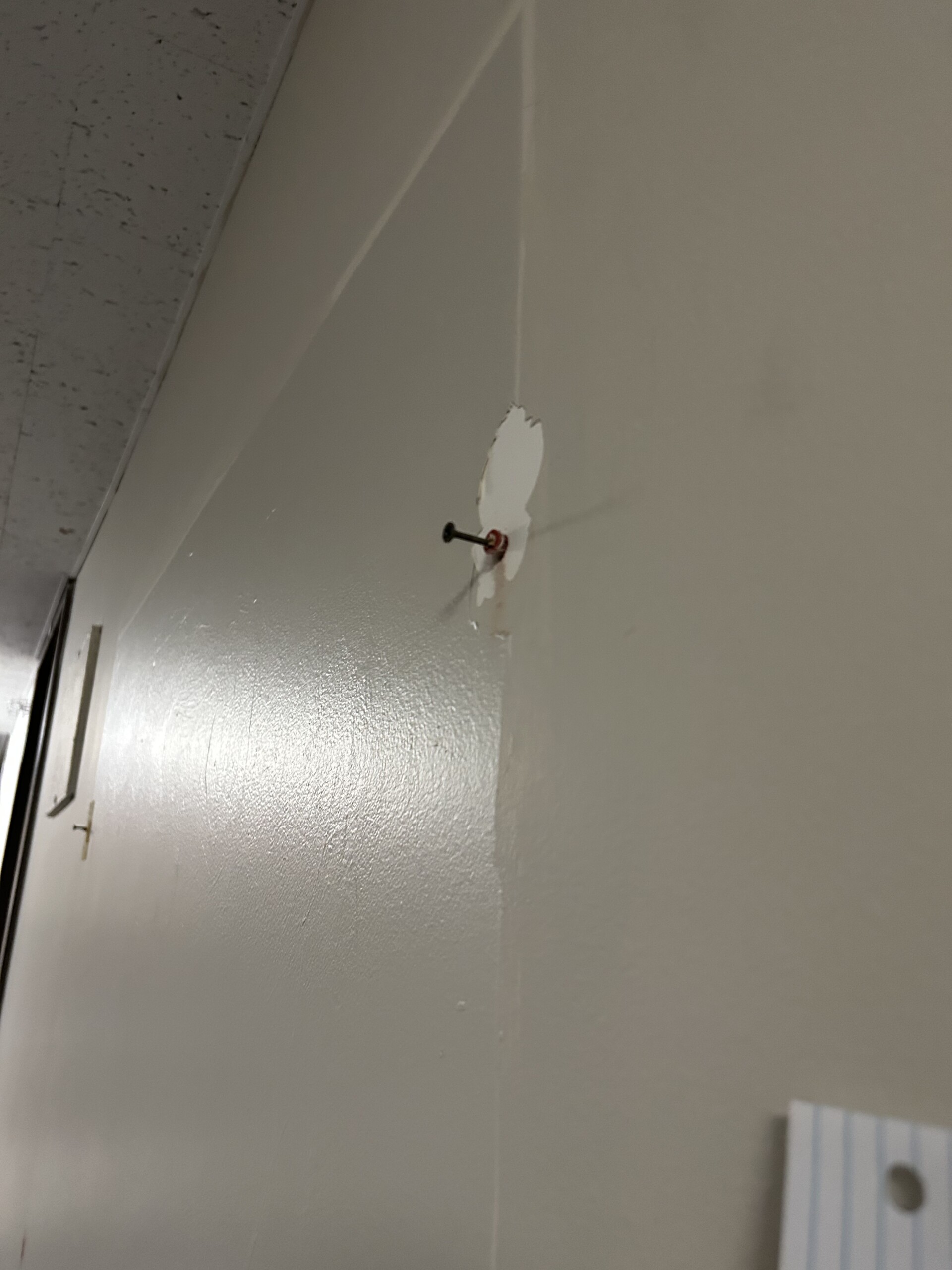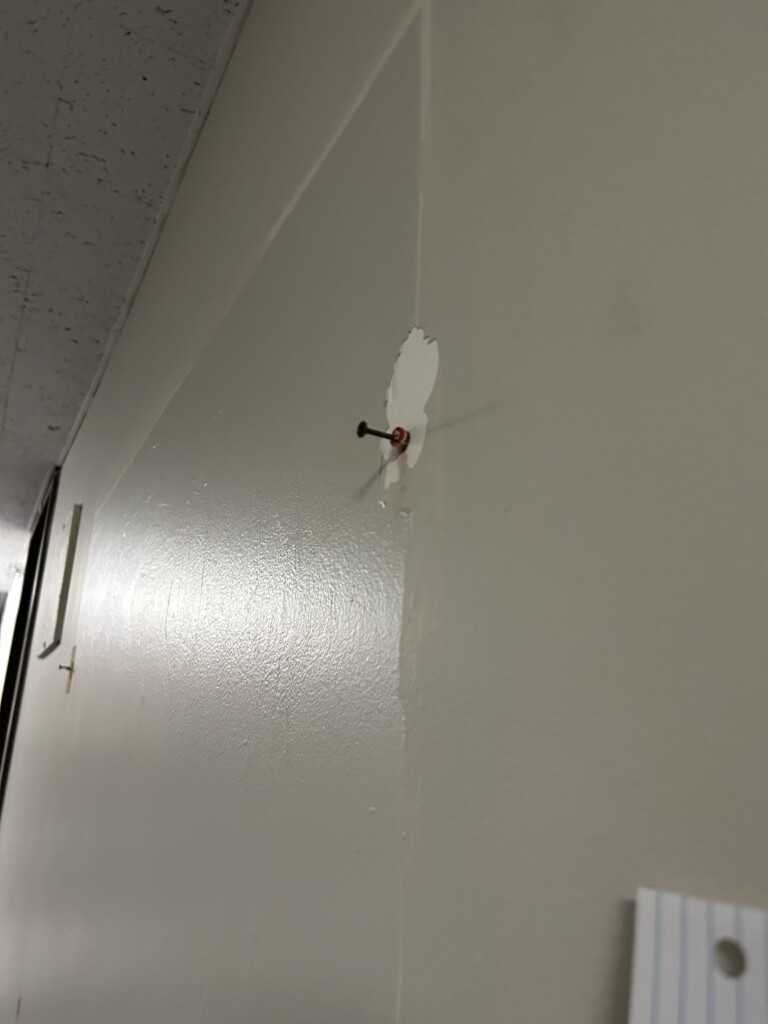
On the morning of Sunday, Feb. 19, many Wilder residents were shocked to wake up to find that Resident Advisor bulletin boards had been pulled from the walls.
The boards in most cases had completely vanished: Only the flier board on Wilder 7 and the RA board on Wilder 5 had been detached, but not taken away. Additionally, two floors were spared from the vandalism: Wilder 3 and Wilder 2.
The incident is suspected to have taken place around 2 a.m.. Some noises were heard from parties; people running in the staircase, as well as doors opening and closing rapidly. No vandalism was reported to be directly witnessed, and no suspects were identified.
Three-year RA and senior Rusama Haque noted that the boards were not solidly attached to the wall. “Two people could probably pull one off,” Haque remarked. It is difficult to judge how many parties might have been involved in the incident.
RA boards are a staple for community building. Every month, RAs design new boards to put a smile on their residents’ faces. Board themes frequently center around holidays, resources, and messages of encouragement. They can also be interactive, allowing students to connect with their floor community. Without boards, none of this is possible.
As of Monday, March 13, some new boards have been installed as replacements. They are roughly a quarter of the original boards’ dimensions, which does not bode well for interactive boards and considerably limits design possibilities.
If you have any information about the whereabouts of the missing boards, please contact the Jackson Court area office.