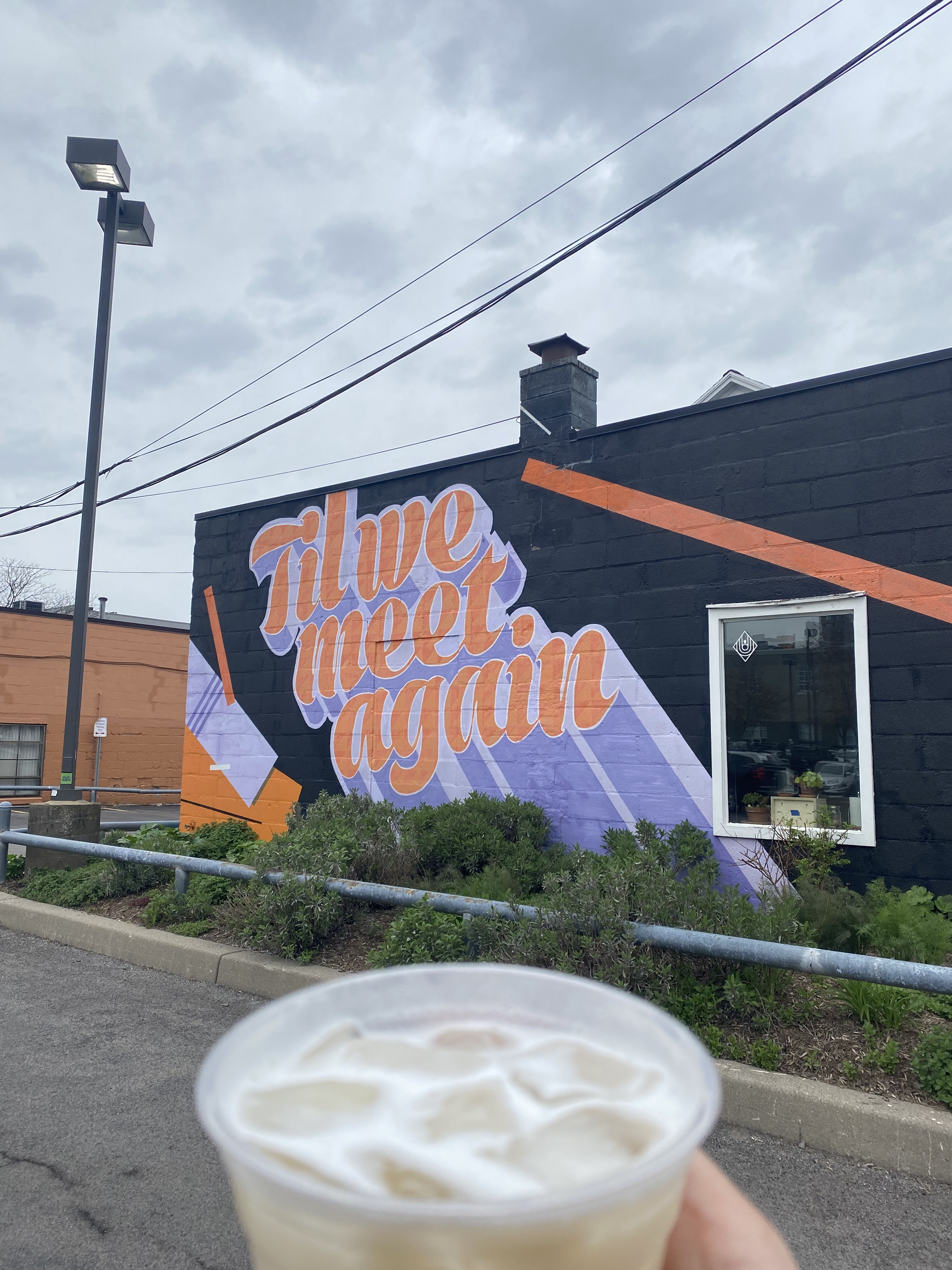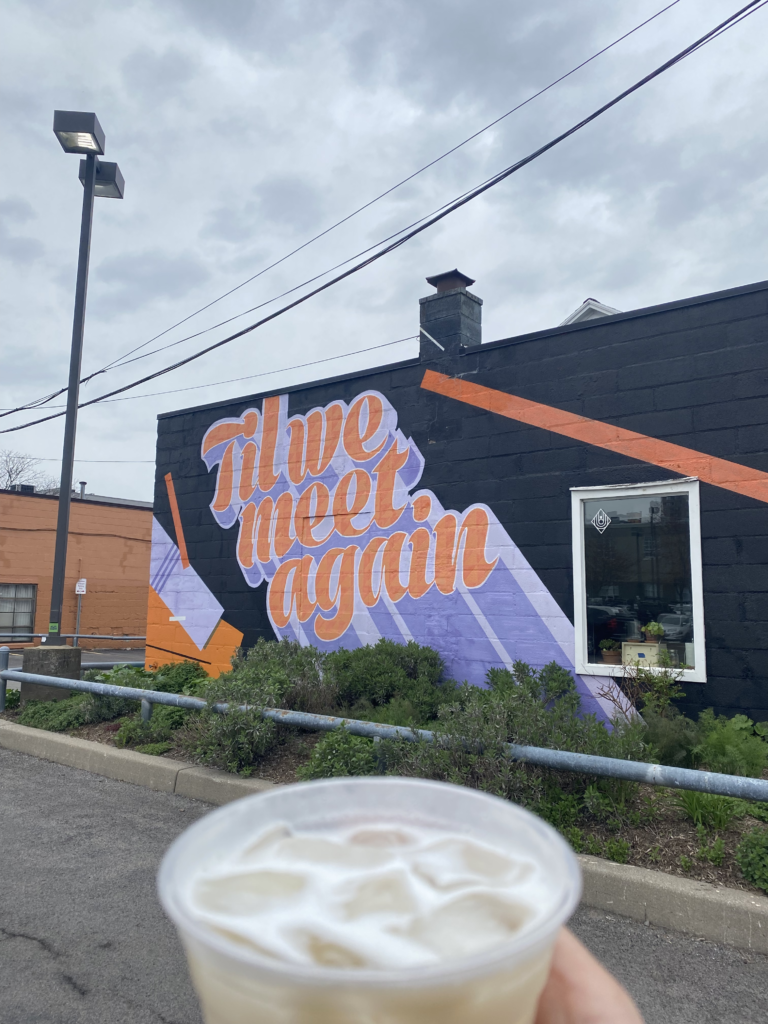
Ugly Duck Coffee might be one of the more unique names on the coffee scene, but it nails owner Rory Van Grol’s ideas for Ugly Duck. “The name? It’s to not take ourselves too seriously. I was making latte art and my wife said one of them looked like an ugly duck, and that was it. It’s fun. It’s silly. It sticks in your head.”
Walk inside and you’ll find a gathering of pamphlets connecting you to community programs and local shops, all next to a free library. Beside the register is a pile of pastries from Flour City and Black Cat Bakeries. Ugly Duck has become part of a small, local ecosystem.
Ugly Duck Coffee started out in 2015 as a mobile pop-up, five years after Rory Van Grol moved back to Rochester from Providence, Rhode Island. “I’ve always been a big fan of being around community, and I realized that coffee was a connector, and I really enjoyed that.”
Van Grol didn’t start right away, instead spending the next five years working at The Owl House and Joe Bean Coffee Roasters, gathering equipment and honing his coffee craft. In 2015, Van Grol took the first step toward setting up a small business, and Ugly Duck Coffee was born as a mobile espresso bar in Rochester.
Ugly Duck Coffee landed its new home with a little help from the community. “[The building] was a gallery called 1975 before we moved in,” Van Grol explained. “The owner of the building was a regular at Joe Bean. When we were doing the popups, he would stop by and he’s the building owner. He was just like, ‘Our gallery’s moving out. You should open up here really.’”
Van Grol didn’t know if Ugly Duck Coffee was ready for a storefront, but with the help and generosity of the owner, Ugly Duck Coffee took its roots at 89 Charlotte Street in 2016. The beginning of Ugly Duck in the shop was a “steady climb,” according to Van Grol. Van Grol would start his mornings getting ice due to a lack of a machine, work open to close every shift, tackle his responsibilities as owner, and on top of the load, deal with the ongoing construction that was taking place near the Inner Loop.
“We opened when all that [construction] started,” Van Grol described. “Water would get shut off on us in the middle of the day. They would close our streets. We didn’t have a sidewalk a whole summer because they were just digging everything up. The roads were torn up. So we’ve navigated all of those things before COVID.”
Now, Ugly Duck has expanded its team and is focusing on fine-tuning and being able to support its team. Ugly Duck travels outside its dwellings, catering events and weddings. “The people that find us and approach us, we serve them as best as we can. And we care about that,” said Van Grol. “I think that has organically helped us just connect with different people. Being someone that’s been in Rochester for so long, you know, I could see from an outside perspective that it’s like a tougher city to connect with some people, but I think it’s like those layers, you just gotta find that layer of where you connect and then everything will just move out from that sphere.”
Van Grol finds that the best place to go when you’re in a new place is the coffee shop. “I think that’s my tidbit. If you’re traveling or exploring somewhere new, find a coffee shop and ask the people working and, how to explore their cities and towns and places.”
Ugly Duck Coffee is certainly not the odd fellow in the Rochester coffee scene, it’s leading the line.