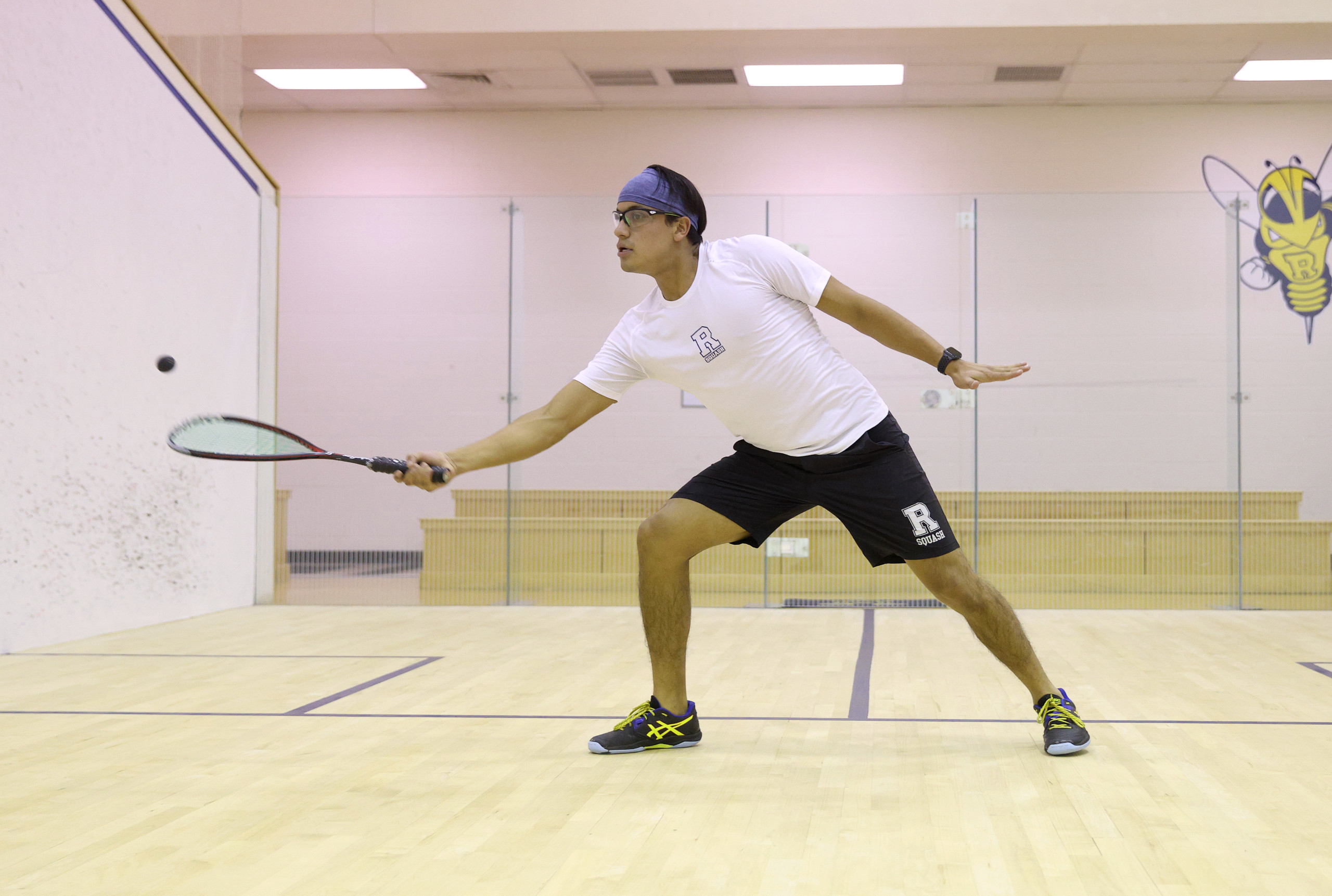
The UR men’s squash team fell to Cornell 7–2 on Feb. 20, finishing second at the College Squash Association’s (CSA) Hoehn Cup, played in Philadelphia, PA. The three-day tournament saw a number of brackets compete, with UR taking a top seed in the tournament’s B division.
The YellowJackets entered the tournament ranked No. 10 in the CSA’s national rankings. They were able to defeat No. 15 ranked MIT and No. 11 ranked Western University (Ontario) on Friday and Saturday respectively, both by scores of 7–2, to advance to Sunday’s championship game against Cornell.
Cornell, ranked No. 9, was the other top seed in the bracket. Strong wins against Drexel University and Dartmouth led them to the final matchup. Adding fuel to the fire, the two teams had played against each other just three weeks ago on Feb. 2, a matchup which saw Cornell narrowly defeat UR 5–4.
The team finished their season with a record of 8–8, retaining their No. 10 CSA national ranking from the beginning of the season. Rochester has a long way to go until their season starts again in the fall, but the team is hopeful for the upcoming year. “A lot of the top teams are graduating most of their roster,” sophomore Varun Kumar said. “We’re only losing one senior, and we’re already ready to start training.”