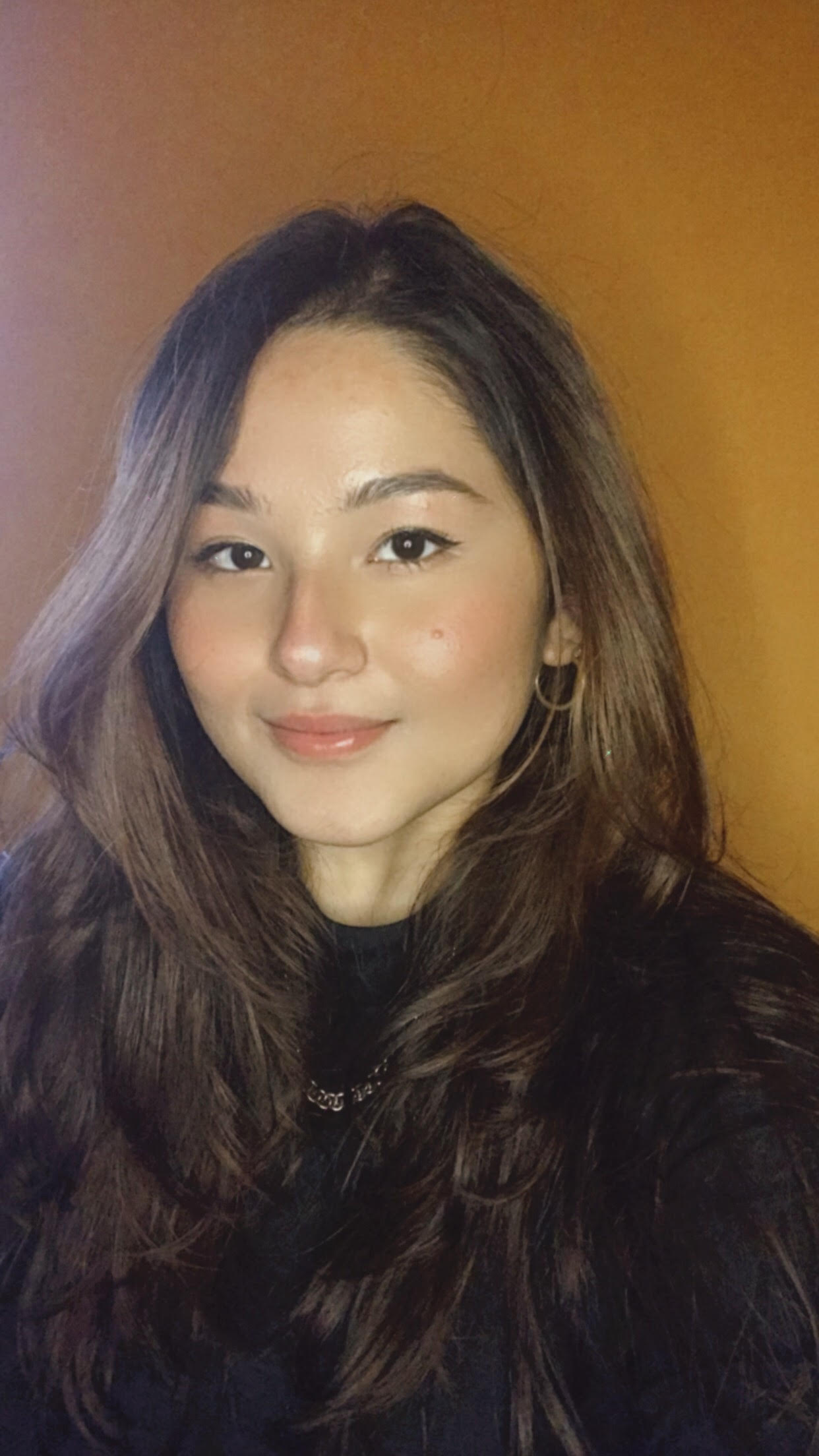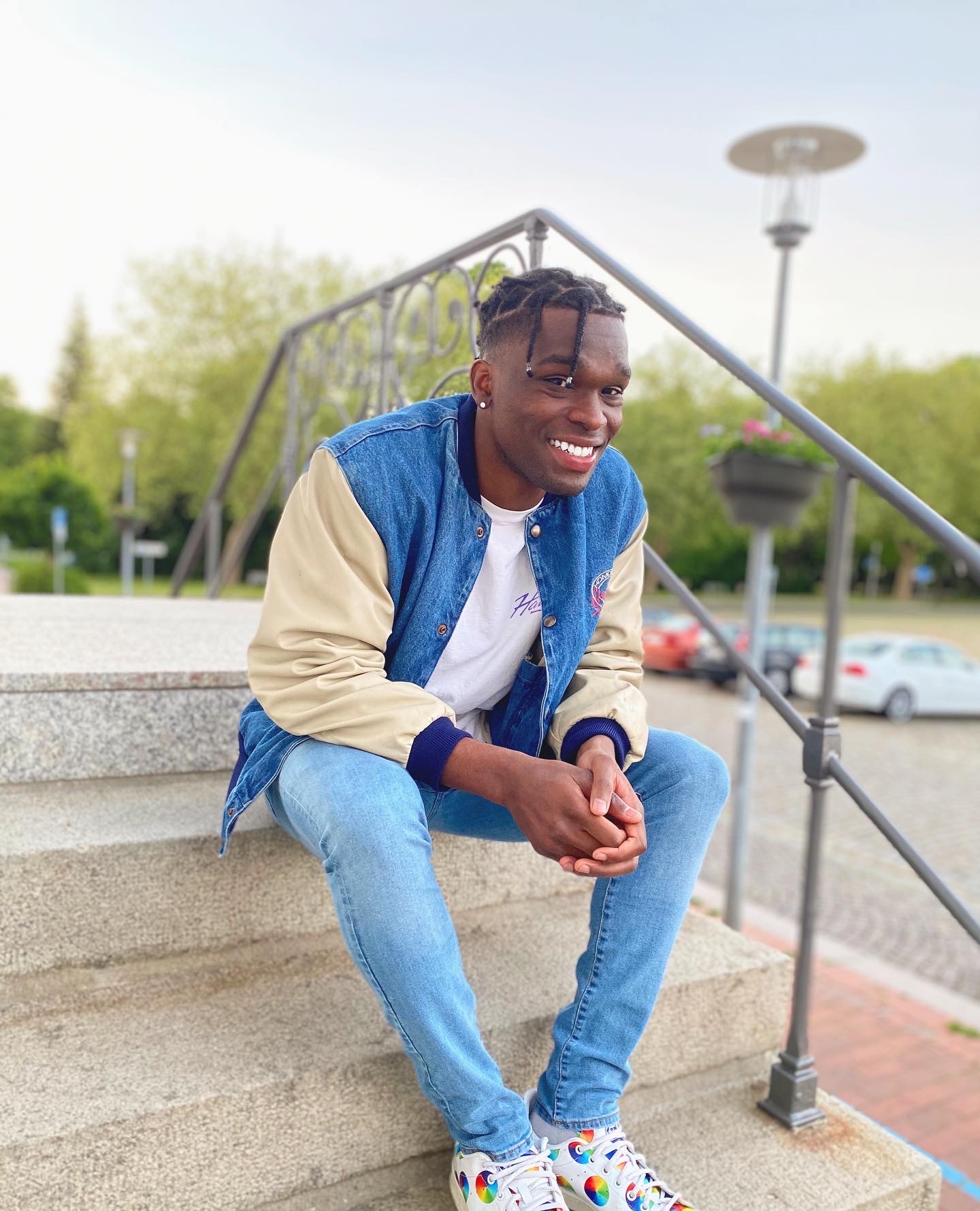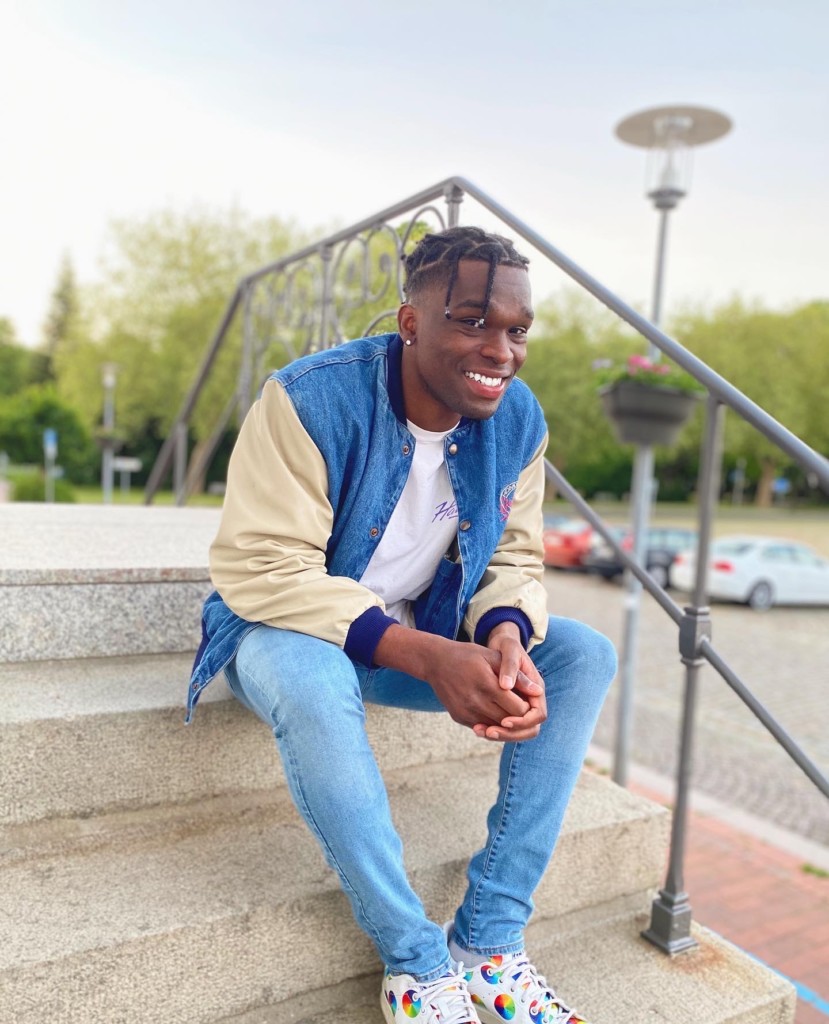
Kyle Parker, founder and CEO of ClipDart, an on-demand mobile barbershop service, went to the same barbershop in his hometown for 18 years. As an African-American man, he knew that he could rely on his usual barber to be there for him with a pair of clippers and good conversation whenever he needed a fresh haircut.
“I went to an all Black barbershop, but if my barbershop wasn’t available, I could go down to the Puerto Rican neighborhood, to the Mexican neighborhood that I lived right next to and go to the shop and never lose a cultural experience, never have a drop off at all,” said Parker. “There was always someplace that we could go to and just congregate and get things off our chest. […] That’s how the barbershop [became] a cultural institution.”
But that experience changed when he attended Grinnell College in 2016, where the closest Black barber was four to six hours away. Without his own car, getting a good haircut would require asking his friends to borrow theirs for hours at a time, multiple times a semester.
“When I went to Iowa, [I had a| big culture shock because [as an] 18, 21-year-old person of color at a PWI in the middle of Iowa, you’re trying to figure out who you are as a person,” said Parker. “The last thing I wanted to do was worry about my hair, since it’s something that I’ve never had to worry about growing up. And so it became not [just] difficult, but nearly impossible for me to just look my best.”
Frustrated with the situation, Parker felt his mental health deteriorate when he couldn’t access a resource that had been an integral part of his life.
“You know, I realized at that point that these barbers, these stylists, are part of our mental wellness,” said Parker. “Just as much as yoga, as meditation, as therapy, as the food we eat, sports we play extracurricular activities all in the same space and help us feel whole and well. But until you have it completely taken away, you don’t really see how important they are.”
Reflecting on his years at Grinnell, Parker realizes that without regular access to a barbershop, he wasn’t able to look his best for job events, campus functions, or everyday life.
The idea for a Doordash-like barber service started during his years in Iowa and only kicked off when he transferred to UR for his senior year. As a biology major, he didn’t know the intricacies of starting a business, but delved right into creating his own start-up that would connect customers and companies with barbers through an app.
ClipDart launched in March 2020, but soon after the COVID-19 pandemic hit, and Parker and his team had to be creative to make their barbershop services applicable to a community following social distancing measures.
“We didn’t create ClipDart to create an app, you know, we created ClipDart to improve the mental wellness of people all around the world through barbers, through stylists” said Parker.
While the app itself is set to launch in February 2022, ClipDart has invested its resources in connecting barbers with schools, universities, non-profits, and community centers around the US and the UK for the last two years. Through this model, barbers can earn a higher-than-usual rate of $60-$80 an hour and the organizations can provide meaningful haircut services to their members. Until the app launches, instead of individualized services, ClipDart is promoting its partner barbers to prospective company clients.
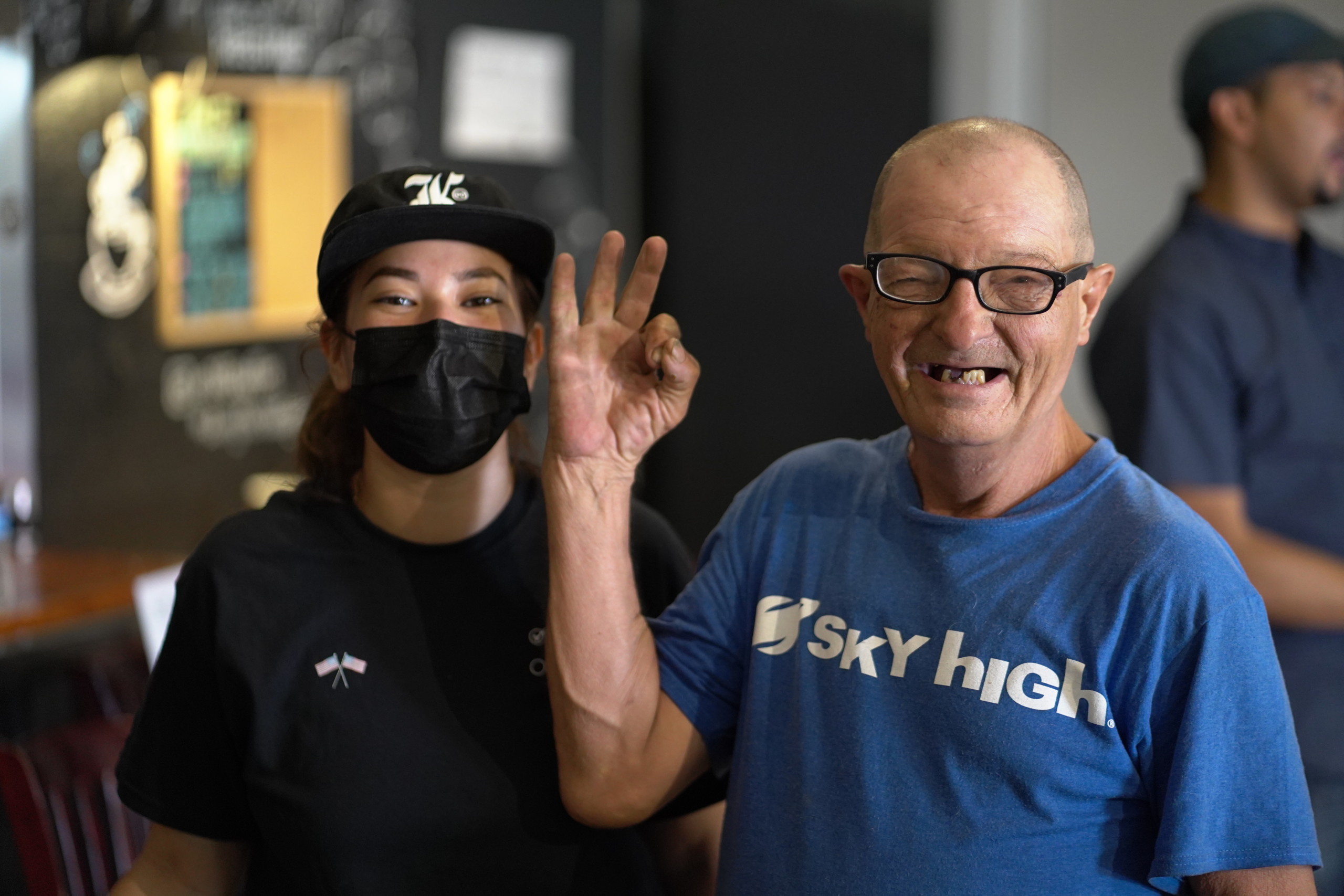
A client after a haircut at ClipDart’s annual Juneteenth Mental Wellness Giveback Experience. The barber is Gizel Acosta out of San Diego, California. COURTESY JUSTIN PARKER.
In 2021, ClipDart Give Back, the non-profit side of the company, launched an event on Junteenth in Arizona. Named the “Day of Freedom,” ClipDart partnered with local organizations to have hundreds of volunteers providing free haircuts and other mental and physical wellness services such as hepatitis testing.
Parker plans to organize more events as the company grows, and although ClipDart doesn’t have a partnership with the University yet, he hopes to see it happen in the coming years.
You can download ClipDart’s iOS app starting Feb. 14, 2022.