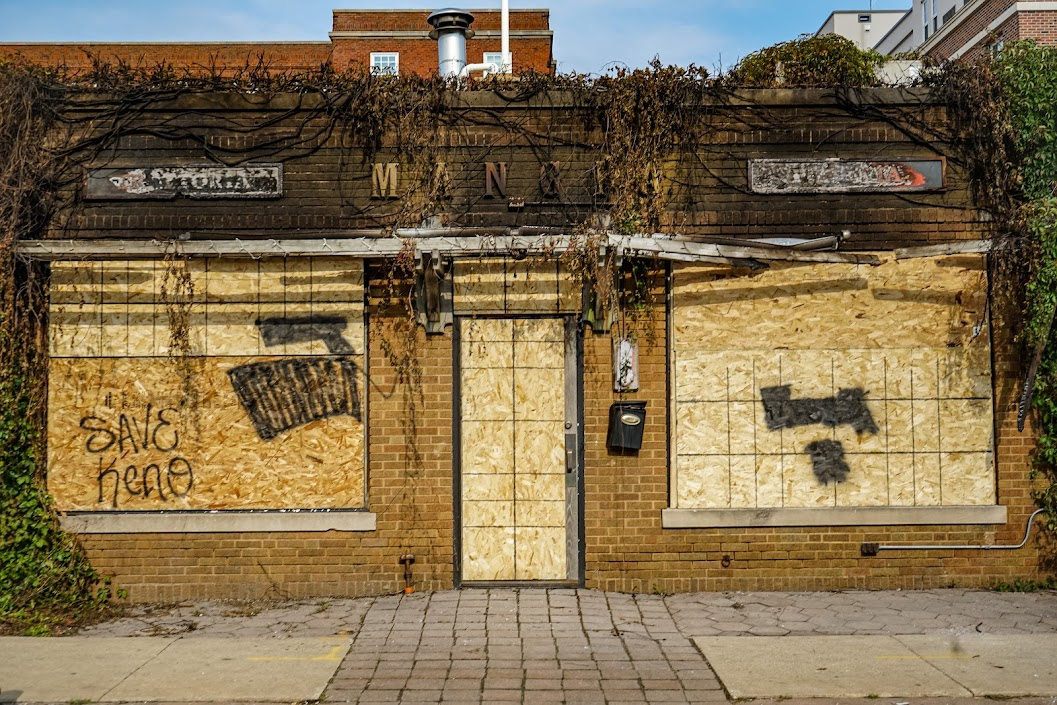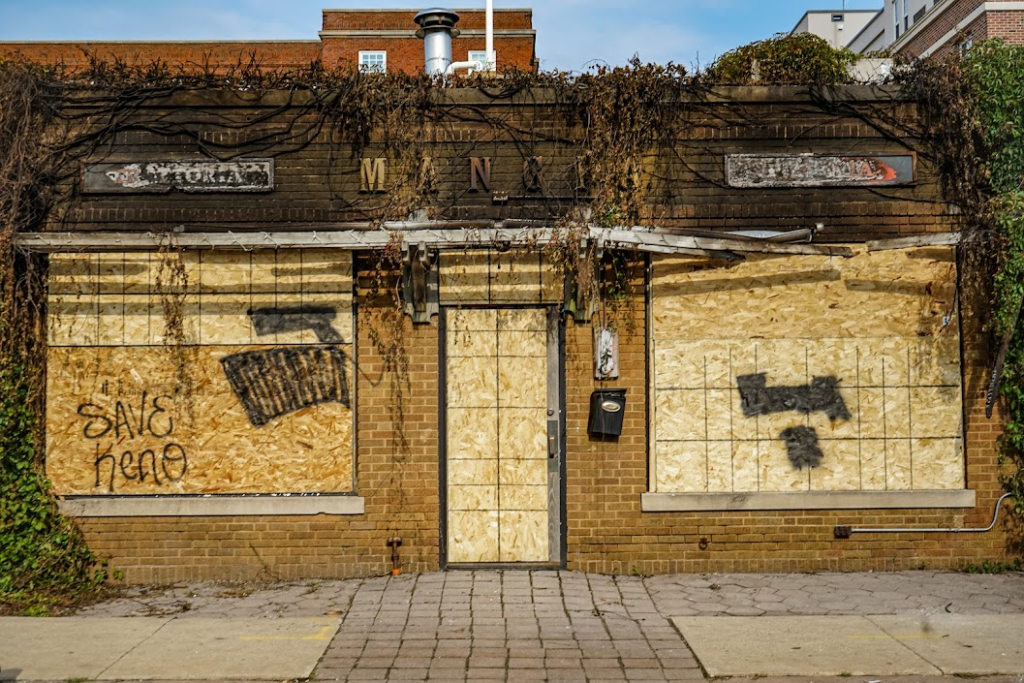
I grew up in Kenosha, Wisconsin, an industrial town on the shores of Lake Michigan. Once the home of several automotive factories, Kenosha is now characterized by its population of hardworking families and a blossoming artistic community. My grandparents, once both employed by major manufacturing plants, have lived there for over 60 years. My mother grew up attending the local public schools. My brother and I spent the majority of our childhood running through the neighborhoods we knew better than the backs of our hands. My entire family lives there. It is the place I know best. It is the place I love most.
It is also the place where Kyle Rittenhouse shot three innocent people, killing two of them, at a protest over the shooting of Jacob Blake by police in Aug. 2020.
Rittenhouse’s acquittal was announced last Friday, Nov. 19, the day I returned home for Thanksgiving Break. The following afternoon, I sat at my grandfather’s kitchen table and read the verdict in the newspaper while it simultaneously blared on the news channel behind us. Outside, the bitter wind blew trash into the street like tumbleweeds. The sky was cold and gray. Kenosha was eerily quiet.
And it continued to stay quiet over the course of the next week. Protests erupted in several cities throughout the United States, but not Kenosha. The streets were deserted.
This response felt deeply uncharacteristic of a town full of strong-headed and soulful people who have never stayed quiet in the face of injustice before. The protest that took place on Aug. 25, 2020 occurred in response to the shooting of Blake two days prior, when Blake, a Black man, was shot seven times in the back and subsequently rendered paralyzed by a Kenosha police officer, who was white.
It was a major event of civil unrest that lasted for days and was witnessed around the country. Citizens filled the streets in massive crowds, motivated by another gross display of police brutality. And it was through this crowd that Rittenhouse walked with a rifle and shot three protesters point blank.
So, when Rittenhouse was found not guilty of homicide last week, the silence that ensued was unexpected. The mayor of Kenosha had issued the deployment of 500 Wisconsin National Guard troops to survey the steps of the county courthouse in the aftermath of the news, but by the time the verdict had been announced, the streets were mostly deserted. Where was the passion and the fury that I knew of my hometown so well?
In my opinion, the lack of response to this verdict indicates the absolute exhaustion that permeates the town. The cries of injustice from the people of Kenosha have repeatedly been ignored. No charges were filed against the police officer who shot Jacob Blake; no punishment was faced by Kyle Rittenhouse. According to the justice system, all of these crimes were committed as acts of “self defense.”
In response to Rittenhouse’s acquittal, President Biden said he “stands by” the jury’s decision. “The justice system works,” he said, “and we have to abide by it.” But the murders of innocent people are by no means crimes of self defense, and it’s obvious that the justice system is a deeply flawed mechanism.
Three years ago, a c ase of actual self defense in Kenosha made national news for its horrific injustice. In 2018, 17-year-old Chrystul Kizer — notably, the same age as Rittenhouse — was charged with first-degree murder after shooting her abuser, a man who sex trafficked and raped her for over a year. She sat in a Kenosha County prison for two years before being released and is still awaiting trial to this day.
The difference in treatment between Kizer and Rittenhouse is just one example of a racist double standard that is evident throughout the United States. Kizer is a criminal; Rittenhouse is a hero. We have seen this again and again. We have seen Black Americans brutually murdered at the hands of white people in power, from George Floyd to Trayvon Martin to Breonna Taylor, and nothing ever changes. Not in Kenosha, not in Minneapolis, not in Florida, not in Kentucky. It happens over and over and over.
The people are tired. We are living in a country that has been built on a foundation of racial violence. What’s happened in Kenosha over the course of the last year is a working part of the destructive machine that is the criminal justice system. It is deeply flawed. It is broken. And it is not getting fixed.