As the end of fall semester nears, students of all backgrounds are experiencing a strain on their mental health.
For many disciplines, there is an increased difficulty this semester. Coupled with online classes, COVID-19 precautions, and Zoom fatigue, burnout is a critical issue for more students than ever — especially within minority communities such as first-generation/low-income/people of color (FGLI/POC) students.
In an interview with Campus Times, SA senator and senior Rafael Ramirez-Giron — who helped write the two-day break petition — said there needs to be more active support for that community.
“I feel like [FGLI/POC] — we’re really not taught how to address mental health, whereas our more well-off peers may have the privilege of not having to worry about those concerns,” Ramirez said. “So I feel there is definitely an increasing gap between this population — and for a lack of better words, our white peers in general, or at least our middle-class, wealthier peers — because I do understand that there are white folks that are low-income [and/or] first generation. I feel like that [white] population has better resources to at least address their mental health.”
Students have been hopeful about the recent attention to mental health since the administration allowed a one-day break from the two-day petition and the recent addition of Dean of the College in Arts, Sciences and Engineering Jeffrey Runner’s “Lunch-Hour Conversations,” but some still have concerns.
“You know, sometimes we’ll make a discussion or a panel — some sort of round table, but at the end of the day, that’s not always going to be enough,” first-year and Kearns Scholar Karenrose Kamala said in an interview with CT. “I think even if [the UR administration] would have put some effort into reaching out to students, that would have made such a difference.”
Many students encountered a lack of follow-through when reaching out about mental health resources.
Class of 2024 Council Programming Chair Giovanni Correa-Quiñones said that when he reached out to his advisor about struggling with mental health, they were considerate “but nothing else happened from there.”
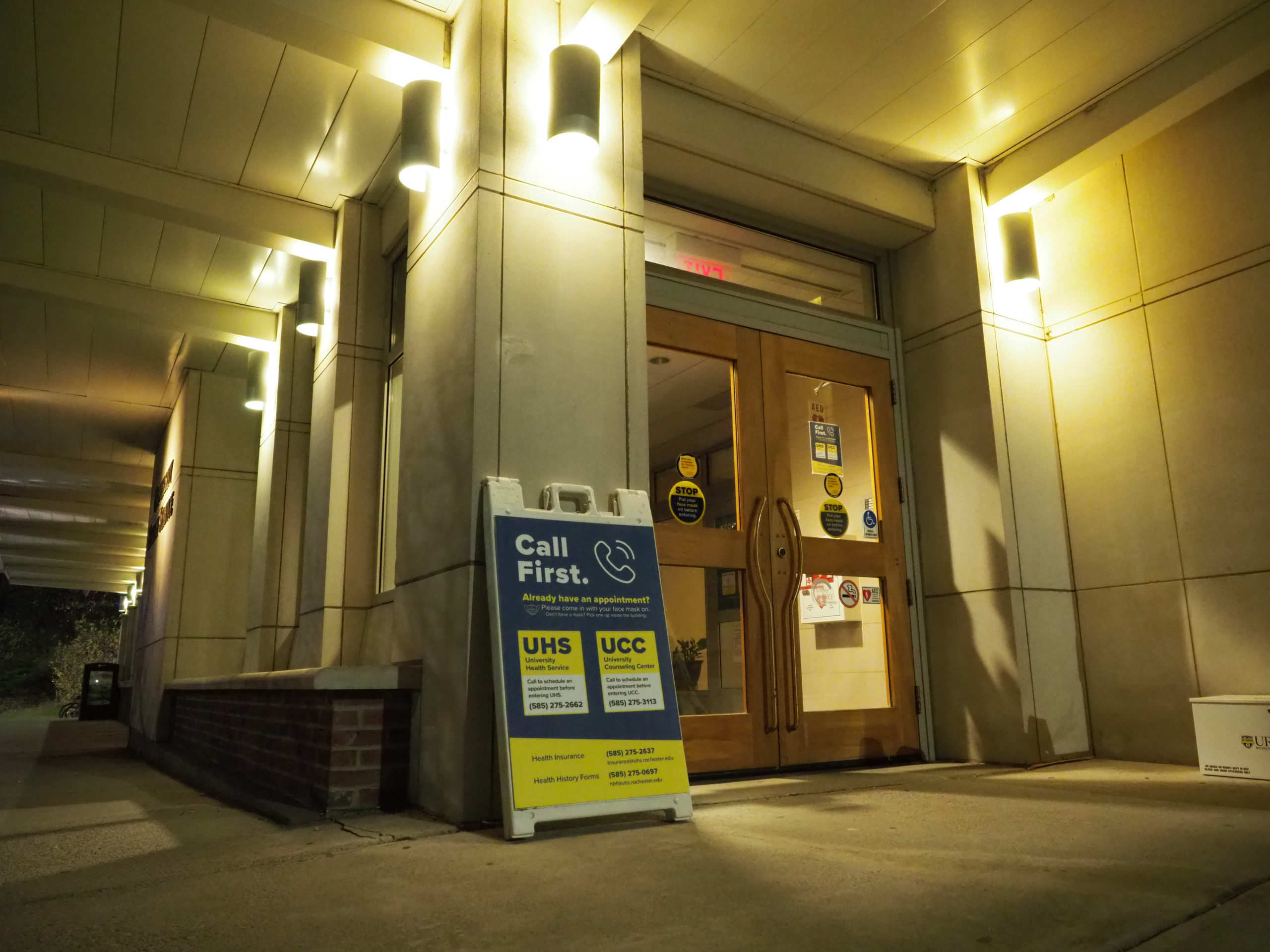
Kamala pointed out that the resources aren’t advertised well, either. “There are definitely mental health resources to use on campus, but it’s very obvious many students don’t know about them,” Kamala said. “I think we could do better.”
For now, many are reflecting on how improvements can be made for the future. Dean Runner told CT that, based on the Lunch Conversations he’s had with students, “we will be analyzing data, including the recent student survey, to learn from this semester and make appropriate changes for next semester.”
Additionally, George McCormick, the Coordinator of First-Generation Student Support at the Kearns Center, said that the Kearns Center’s workshop series in the spring will offer programming on mental wellness, and will be accessible to remote students, since everything is virtual.
As a reminder, McCormick said that if anyone is struggling mentally, they can always reach out to the University Counseling Center or advisors in the Kearns Center. McCormick even offered to be contacted personally if students are struggling and need a first point of contact.
As some students head home for break feeling exhausted, others are hopeful for future improvements. “I think our individual connections have the chance to be most meaningful,” McCormick said. “We also need to reinforce the idea that we’re all building a bridge through the pandemic to a post-pandemic future. We will get through this together.”