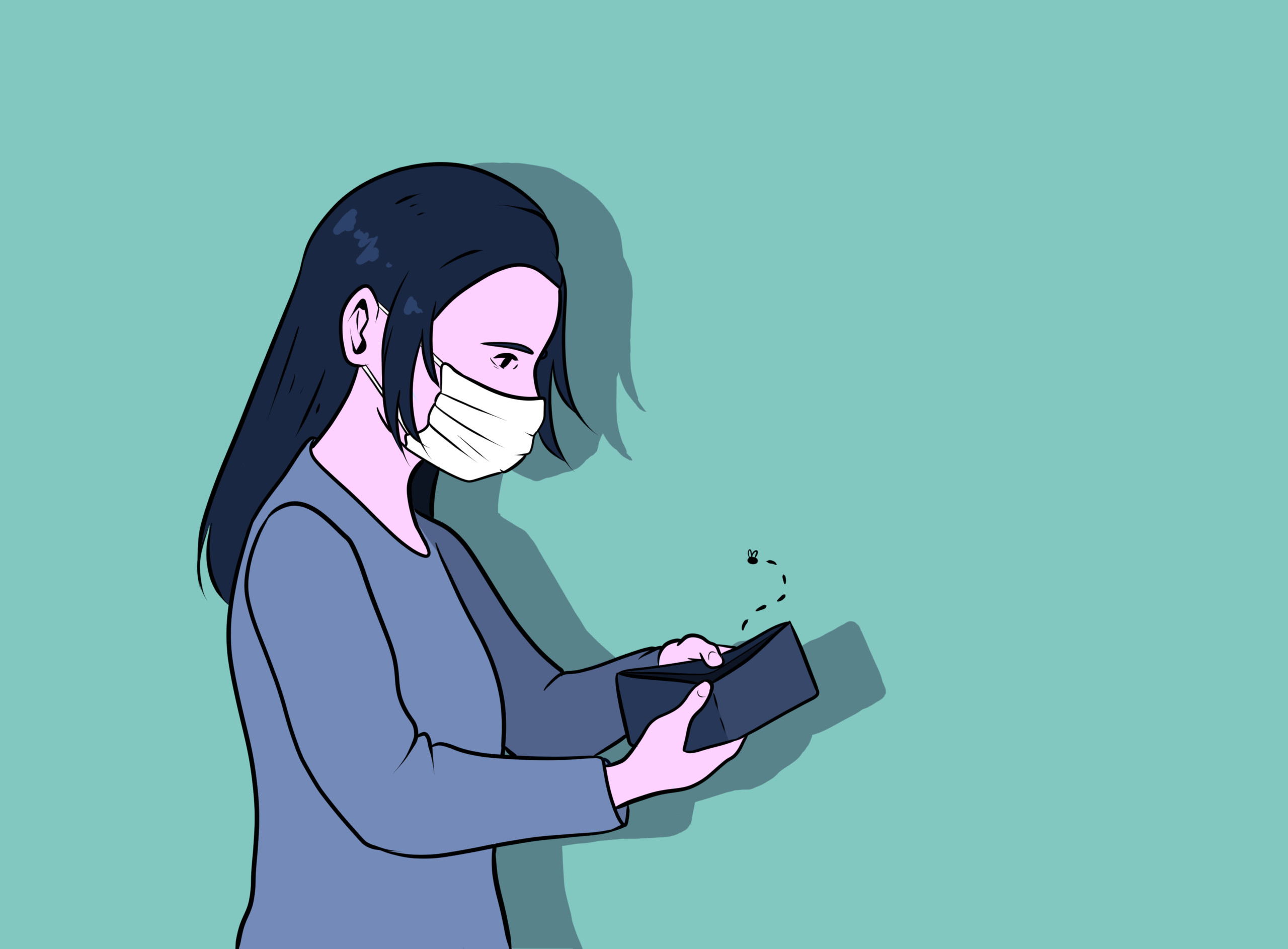
Six months ago, I applied for unemployment.
This seemed a simple thing, at first.
I’d been employed full-time at a nonprofit organization before COVID-19 hit, and I was let go entirely because the office closed and my role became obsolete in the wake of the disease.
Prior to that position, I’d been employed full-time in an AmeriCorps job. And prior to that, I’d been looking for work for three months following my graduation from a Master’s program, where I worked three on-campus jobs.
I tell you all this to explain that my background was a bit more complicated than most, but not fundamentally bizarre or atypical for a college graduate. It seemed to me that Unemployment would surely meet my needs. In fact, I felt tremendous relief when I heard the news of the $600/week additional living stipend.
“What a great time to be out of work,” I thought. “Now I have a financial safety net while I figure out what I actually want to do with my life.”
Six months have passed. I’m still waiting.
Certain steps have been taken since then, of course. But these steps have only caused chaos in my life, not resolution.
Two months after submitting my paperwork, I was denied, because my identity apparently couldn’t be validated based on the images I provided of my birth certificate and driver’s license.
This is disturbing because a) I am, of course myself, and Unemployment somehow couldn’t verify this fact even though I gave them exactly what they requested and b) this section of their regulations exists to prevent undocumented people from accessing unemployment, which is of course immoral and despicable given how many undocumented people in this country work more than full-time to feed us and clean our offices and otherwise make late-stage capitalism somewhat feasible.
Upon submitting copies of every identification document available, I was again denied, this time because the W-2s I provided applied to the wrong pay period. All right, this one was on me. Sort of. I provided the W-2 for my most recent position, as well as for my AmeriCorps role. AmeriCorps pays into taxes but not straight into unemployment, so it does not validate unemployment requests. I didn’t know that at the time. AmeriCorps is something of a scam, for anyone who missed that.
But fine. My claim was reasonably denied.
Luckily, I was permitted to submit documents verifying my employment during the correct pay period, 2018-19. So I did.
Finally, some good news: I was approved! I called the state’s Unemployment Appeals Office three times to make sure. Yup, I was approved. I would receive my unemployment benefits… any day now.
One month after those calls, I received a notice in the mail denying my claim.
Why, you ask? I have no idea.
They asked for more information, like they do every time. What more they need to verify, I don’t know. I do know that the number listed on the notice was supposed to be the number of my caseworker. That number is attached to a voicemail box that was never set up. My caseworker called me once, months ago, and never again. I have no way of reaching her.
I’ve called the Unemployment line four times. Each time, I waited on the line for anywhere between 45 minutes and more than an hour.
Eventually, I was approved — for $60/week.
I wasn’t exactly making a substantial wage at any of my most recent jobs. But I was certainly making more than that, somewhere between $300-$700/week at each position.
I have no idea where Unemployment got $60/week from. I don’t think I want to know.
But what about the $600/week for COVID-19-related unemployment?
No clue. Haven’t seen it.
So, here we are. I have an appeals date with a real, live judge, though I’ve yet to receive the letter from Unemployment specifying the date and time. Hopefully this time, with every single W-2, pay stub and identity verification in hand, the judge will pay what Unemployment legally owes me.
We’re about to enter an election cycle in which voter suppression is at an all-time high. This is how that happens. Somebody requests more information, and then more, and then more still, and then penalizes you for not reading their minds and providing the details they required but didn’t tell you they did.
This is how power works. Hard power. State power. Bureaucratic, dystopian, nightmare power.
I feel like I’m trapped in Kafka’s nightmare, and some faceless person is about to decide my fate.
I can take care of myself well enough. I’ve always believed that. But so often the people who are supposed to help me take care of me haven’t done so.
This is what marginalization looks and feels like. I’m no stranger to it. Being a working-class, Jewish, disabled, queer woman hasn’t always been that much fun. I know being dismissed or denied my basic needs usually comes when I least expect it. I know the soft power element of marginalization is to convince me I don’t deserve the thing I’m legally or ethically entitled to. And I know that capitalism will destroy us all if we let it.
And yet, knowing doesn’t protect me. I look in the mirror some days and think, “You don’t deserve to be alive. What’s wrong with you?”
I got a packet from Unemployment today. They’ve forwarded this packet on to the claims department. The packet is missing half the information I sent them.
The question has never been, “Why do they deserve the power to control my life?” It’s been, “What’s it going to take to wrest control of my life back?”