After over a century of failed attempts, the United States Senate is debating passing a bill that “specif[ies] lynching as a hate crime.” This bill is up for debate due to the criticism of one man, Senator Rand Paul, who disapproves of the language used. Senator Paul, alongside Senators Harris and Booker, are currently working together to establish a wording that they all feel comfortable with.
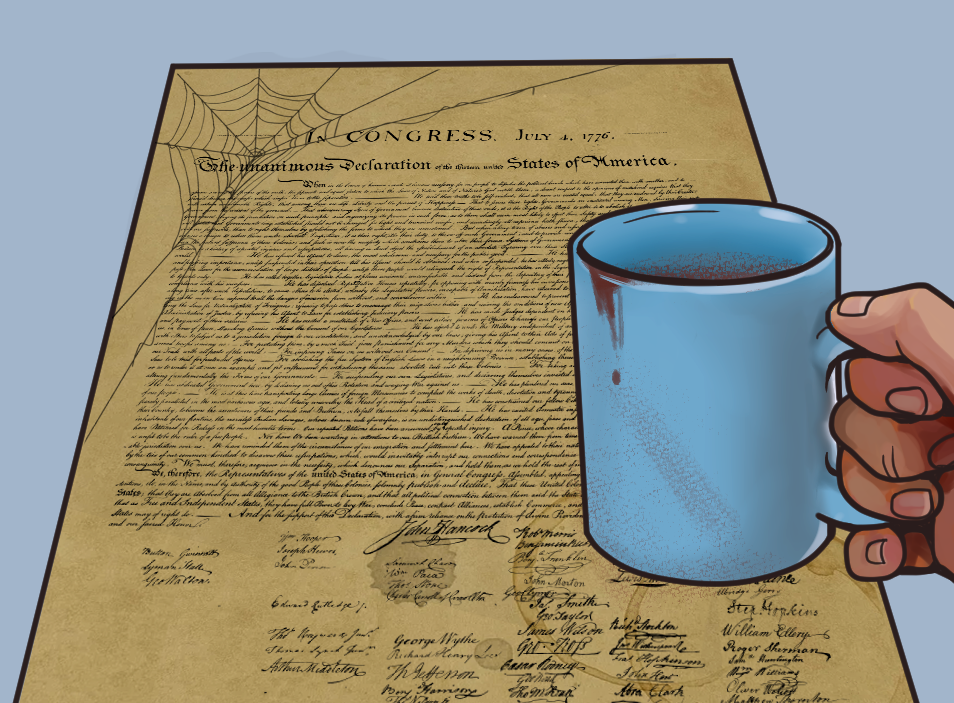
But why are unalienable rights — life, liberty, and the pursuit of happiness — subject to compromise on the Senate floor?
Sadly, they’ve always been up for debate. The institution of slavery was the United States’ original sin. Compromising on it was the country’s biggest contradiction to the principles laid out in the Declaration of Independence. Instead of unequivocally “defend[ing]… the United States against all enemies, foreign and domestic,” physical and ideological, the United States negotiated with terrorists.
Slavery was never abolished in the United States. It has merely been reorganized and slowly made less visible by a series of compromises: the Three-Fifths Compromise, the Missouri Compromise, and the Thirteenth Amendment which abolished slavery, “except as a punishment for crime.”
Debating and compromising over the value and autonomy of black bodies on the Senate floor is a well-established tradition of the U.S. government — a tradition which fearlessly and unabashedly screams to black America, “We do not believe in your humanity.” They must believe black people are not people. Because if all people “are endowed … with certain unalienable rights,” then those rights are not subject to compromise.
From police brutality to the prison-industrial complex to disparities in wealth, healthcare, and more, nearly every right imaginable that black people are entitled to is still on the line. Lynching was a tool for racial oppression during slavery and still is today. As we embark on our 244th year since that cherished Declaration, let us each reaffirm our commitment to our national ideals, and refuse to compromise on unalienable rights.